As a dog owner, you're probably no stranger to the sight of your furry friend with a runny nose. It's a common issue that can be caused by a variety of factors, ranging from allergies to infections. But have you ever wondered why dogs get runny noses in the first place? In this article, we'll delve into the world of canine nasal health and explore the reasons behind this pesky problem.
The Anatomy of a Dog's Nose
A dog's nose is a complex and highly sensitive organ that plays a crucial role in their sense of smell and overall health. The nasal cavity is lined with tiny blood vessels and mucus-producing glands, which help to warm, humidify, and filter the air that your dog breathes. The nasal passages are also home to a rich network of nerve endings, which allow your dog to detect even the subtlest scents.
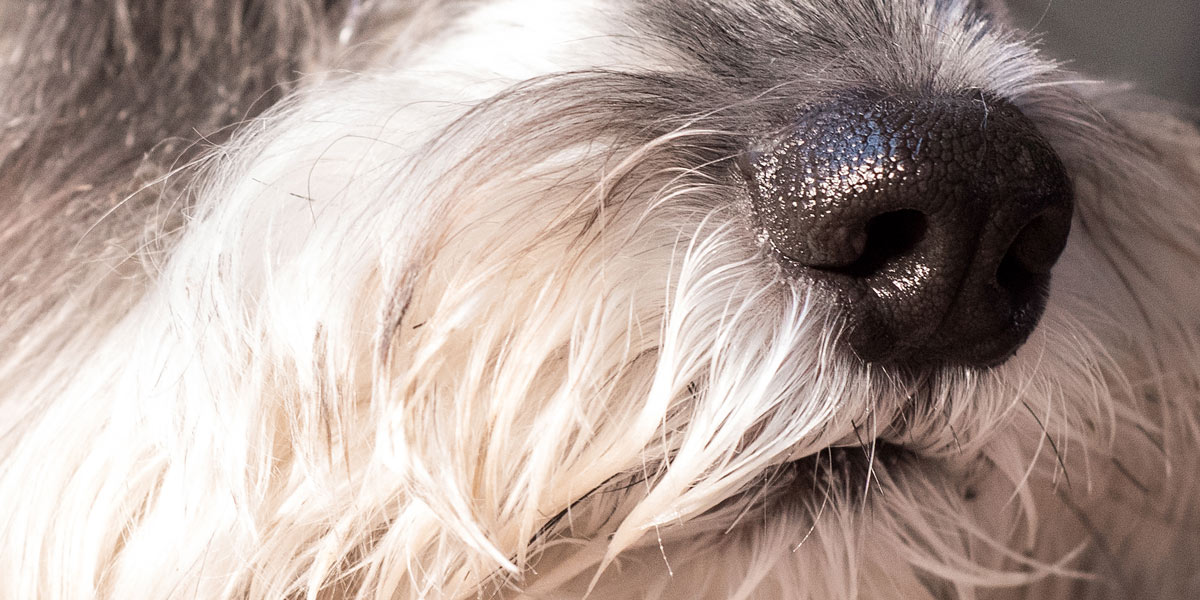
When your dog's nose is working properly, it's an incredible tool that helps them navigate their environment and detect potential threats or prey. However, when the nasal passages become inflamed or irritated, it can lead to a range of problems, including a runny nose. So, what causes this inflammation and irritation in the first place?
Common Causes of Runny Noses in Dogs
There are many potential causes of runny noses in dogs, and some of the most common include allergies, infections, and anatomical issues. Allergies, for example, can cause your dog's nasal passages to become inflamed and produce excess mucus, leading to a runny nose. This can be due to environmental allergens like pollen, dust, or mold, or food allergies, which can be triggered by certain ingredients in your dog's diet.
Infections, on the other hand, can be caused by bacteria, viruses, or fungi, and can lead to a range of symptoms, including a runny nose, sneezing, and coughing. Anatomical issues, such as a deviated septum or narrow nasal passages, can also contribute to a runny nose, as they can make it difficult for your dog to breathe and cause excess mucus to build up in the nasal passages.

Other Possible Causes
In addition to these common causes, there are several other possible explanations for a runny nose in dogs. These can include foreign objects, such as grass or dirt, that become lodged in the nasal passages and cause irritation. Tumors or cancer can also cause a runny nose, as they can lead to inflammation and excess mucus production in the nasal passages.
Teeth problems, such as abscesses or infected teeth, can also contribute to a runny nose, as the roots of the teeth are located close to the nasal passages and can cause irritation if they become infected. Even heart disease can cause a runny nose in dogs, as it can lead to congestion and fluid buildup in the nasal passages.

As you can see, there are many potential causes of runny noses in dogs, and it's not always easy to determine the underlying reason. If you're concerned about your dog's runny nose, it's always best to consult with a veterinarian, who can perform a physical examination and run diagnostic tests to determine the cause of the problem.
Treating a Runny Nose in Dogs
Treatment for a runny nose in dogs will depend on the underlying cause of the problem. If your dog has allergies, for example, your veterinarian may recommend antihistamines or other medications to help reduce the allergic response. If your dog has an infection, antibiotics or anti-fungal medications may be prescribed to help clear up the infection.
In some cases, surgery may be necessary to address anatomical issues, such as a deviated septum or narrow nasal passages. Your veterinarian may also recommend changes to your dog's diet or environment to help reduce exposure to allergens or irritants.

In addition to these medical treatments, there are several things you can do at home to help soothe your dog's runny nose. These can include using a humidifier to add moisture to the air, which can help to thin out mucus and make it easier for your dog to breathe. You can also try using a saline nasal spray to help loosen and clear out mucus from the nasal passages.
Home Remedies for Runny Noses in Dogs
There are several home remedies that can help to soothe and calm a runny nose in dogs. These can include using a warm compress to help loosen and clear out mucus, or adding a few drops of eucalyptus oil to your dog's food or water to help reduce congestion. You can also try using a neti pot to rinse out your dog's nasal passages and help remove excess mucus.
It's always important to consult with a veterinarian before trying any home remedies, as some can be harmful or interact with other medications your dog is taking. However, with the right treatment and care, it's possible to help soothe and calm a runny nose in dogs and get them back to their happy, healthy selves.
In conclusion, a runny nose in dogs can be caused by a variety of factors, ranging from allergies to infections to anatomical issues. While it can be a frustrating and messy problem, there are many things you can do to help soothe and calm your dog's runny nose, from medical treatments to home remedies. By working with your veterinarian and taking the right steps, you can help your dog feel better and get back to enjoying life to the fullest.
Preventing Runny Noses in Dogs
While it's not always possible to prevent a runny nose in dogs, there are several things you can do to reduce the risk of this problem. These can include keeping your dog's living area clean and free of allergens, providing regular veterinary care to catch any potential problems early, and avoiding exposure to irritants or toxins.
You can also try using a HEPA air purifier to reduce the amount of allergens and irritants in the air, or adding omega-3 fatty acids to your dog's diet to help reduce inflammation. By taking these steps, you can help reduce the risk of a runny nose in your dog and keep them healthy and happy. [IMAGE]
As a dog owner, it's natural to want to do everything you can to help your furry friend feel their best. By understanding the causes of runny noses in dogs and taking steps to prevent and treat this problem, you can help your dog live a long, healthy, and happy life. So next time you notice your dog's nose is running, don't panic – just take a deep breath, grab some tissues, and get ready to help your furry friend feel better.
In the end, a runny nose in dogs is a common problem that can be caused by a variety of factors. While it can be frustrating and messy, there are many things you can do to help soothe and calm your dog's runny nose, from medical treatments to home remedies. By working with your veterinarian and taking the right steps, you can help your dog feel better and get back to enjoying life to the fullest. And with the right care and attention, you can help reduce the risk of a runny nose in your dog and keep them healthy and happy for years to come.