
As a dog owner, it's only natural to want to share your favorite foods with your furry friend. But before you do, it's essential to make sure that the food you're sharing is safe for your dog to eat. One popular fruit that's often on the menu is pineapple, and many dog owners wonder if it's okay to give their dogs pineapple chunks. In this article, we'll explore the answer to that question and provide you with all the information you need to know about feeding pineapple to your dog.
Is Pineapple Safe for Dogs to Eat?
The short answer is yes, pineapple is safe for dogs to eat in moderation. Pineapple is a nutritious fruit that's rich in vitamins, minerals, and antioxidants. It's a good source of fiber, vitamin C, and manganese, making it a healthy snack for dogs. However, as with any new food, it's crucial to introduce pineapple to your dog's diet slowly and in small amounts to prevent digestive upset.
 Can Dogs Eat Pineapple Chunks Is Pineapple Safe for Dogs to Eat" loading="lazy" style="max-width:700px;width:100%;height:auto;border-radius:8px;">
Benefits of Feeding Pineapple to Your Dog
Feeding pineapple to your dog can have several benefits. For one, it can help support healthy digestion. Pineapple contains an enzyme called bromelain, which can help break down protein and aid in digestion. This can be especially beneficial for dogs with sensitive stomachs or those who suffer from digestive issues. Additionally, pineapple is a nutrient-rich fruit that can provide your dog with essential vitamins and minerals. It's also a low-calorie snack, making it an excellent option for dogs who are watching their weight.
Pineapple can also help reduce inflammation in dogs. Bromelain, the enzyme found in pineapple, has anti-inflammatory properties that can help reduce swelling and pain in dogs. This can be especially beneficial for dogs with arthritis or other inflammatory conditions. Furthermore, pineapple is a versatile fruit that can be served in a variety of ways, making it a fun and exciting snack for dogs.
How to Feed Pineapple to Your Dog
When feeding pineapple to your dog, it's essential to do so in moderation. While pineapple is safe for dogs to eat, eating too much of it can cause digestive upset. A good rule of thumb is to limit your dog's pineapple intake to small amounts, such as a few chunks or slices per day. You can also mix pineapple with other fruits or vegetables to create a healthy and balanced snack.

It's also crucial to remove the tough, prickly skin and any tough core before feeding pineapple to your dog. These parts of the fruit can be difficult for dogs to digest and may cause obstruction or other digestive issues. Additionally, be sure to choose fresh, ripe pineapple that's free of mold and other contaminants. Canned pineapple is not recommended, as it may contain added sugars and other preservatives that can be harmful to dogs.
Another thing to keep in mind is that some dogs may be allergic to pineapple. If you notice any signs of an allergic reaction, such as itching, swelling, or difficulty breathing, seek veterinary attention immediately. It's also a good idea to consult with your veterinarian before feeding pineapple to your dog, especially if your dog has a history of food allergies or sensitivities.
Risks and Side Effects of Feeding Pineapple to Your Dog
While pineapple can be a healthy and nutritious snack for dogs, there are some risks and side effects to be aware of. One of the most significant risks is the potential for digestive upset. Eating too much pineapple can cause diarrhea, vomiting, and other gastrointestinal issues in dogs. This is especially true if your dog is not used to eating pineapple or if they have a sensitive stomach.

Another risk is the potential for obstruction. If your dog swallows a large piece of pineapple, it can get stuck in their digestive tract and cause a blockage. This can be a life-threatening condition that requires immediate veterinary attention. To minimize this risk, be sure to cut the pineapple into small, manageable pieces before feeding it to your dog.
In addition to these risks, some dogs may experience an allergic reaction to pineapple. This can range from mild symptoms, such as itching and scratching, to severe symptoms, such as difficulty breathing and anaphylaxis. If you notice any signs of an allergic reaction, seek veterinary attention immediately.
How to Prevent Digestive Upset in Dogs
To prevent digestive upset in dogs, it's essential to introduce pineapple slowly and in small amounts. Start by feeding your dog a small piece of pineapple, such as a chunk or a slice, and monitor their reaction. If they seem to tolerate it well, you can gradually increase the amount over time. However, if you notice any signs of digestive upset, such as diarrhea or vomiting, discontinue feeding pineapple immediately.
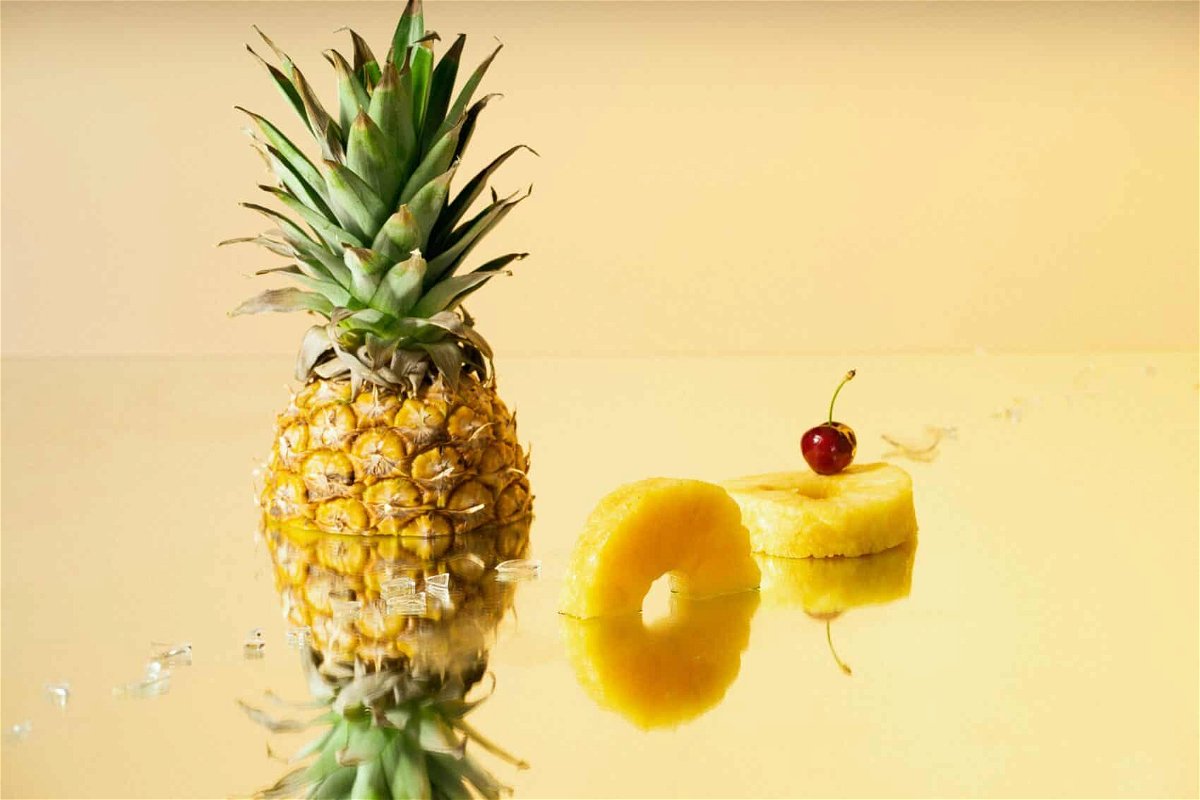
It's also crucial to choose the right type of pineapple for your dog. Fresh, ripe pineapple is the best option, as it's less likely to cause digestive upset. Avoid feeding your dog canned pineapple, as it may contain added sugars and other preservatives that can be harmful. Additionally, be sure to remove the tough, prickly skin and any tough core before feeding pineapple to your dog.
In addition to these tips, it's essential to consult with your veterinarian before feeding pineapple to your dog. They can provide you with personalized advice and guidance on how to introduce pineapple into your dog's diet safely and effectively. They can also help you monitor your dog's reaction to pineapple and adjust their diet as needed.
Conclusion
In conclusion, pineapple can be a healthy and nutritious snack for dogs, but it's essential to feed it in moderation and introduce it slowly. By following the tips and guidelines outlined in this article, you can help minimize the risks and side effects associated with feeding pineapple to your dog. Remember to always consult with your veterinarian before making any changes to your dog's diet, and to monitor their reaction to pineapple closely. With a little caution and planning, you can enjoy sharing pineapple with your furry friend and provide them with a delicious and healthy snack.