
As a dog owner, you're probably wondering how often you should bathe your furry friend. The answer isn't always straightforward, as it depends on several factors such as your dog's breed, age, health, and lifestyle. In this article, we'll delve into the world of canine cleanliness and explore the ins and outs of dog bathing. So, grab a cup of coffee, get comfortable, and let's dive in.
Why Do Dogs Need Baths?
Dogs need baths to stay clean and healthy. Just like humans, dogs can get dirty and smelly, especially if they spend a lot of time outdoors. Bathing helps to remove dirt, debris, and parasites from their coats, which can help prevent skin irritations and infections. Additionally, regular bathing can help to reduce shedding, prevent matting, and keep your dog's coat looking its best.
 How Often Should Dogs Take a Bath Why Do Dogs Need Baths" loading="lazy" style="max-width:700px;width:100%;height:auto;border-radius:8px;">
But bathing is not just about aesthetics; it's also about health. Dogs can be prone to skin conditions such as acne, eczema, and hot spots, which can be exacerbated by poor hygiene. Regular bathing can help to prevent these conditions from developing, or at least reduce their severity. Furthermore, bathing can help to detect any potential health issues early on, such as fleas, ticks, or skin tumors.
Factors to Consider When Deciding How Often to Bathe Your Dog
So, how often should you bathe your dog? The answer depends on several factors, including your dog's breed, age, health, and lifestyle. For example, dogs that spend a lot of time outdoors, such as hunting or hiking dogs, may need to be bathed more frequently than dogs that spend most of their time indoors.

Additionally, dogs with certain health conditions, such as skin allergies or flea allergies, may require more frequent bathing to help manage their condition. On the other hand, dogs with dry or sensitive skin may need to be bathed less frequently to prevent irritation. Puppies, senior dogs, and dogs with certain medical conditions may also require special bathing considerations.
Breed-Specific Bathing Needs
Some breeds require more frequent bathing than others. For example, dogs with thick, double coats, such as Siberian Huskies and Alaskan Malamutes, may need to be bathed every 2-3 weeks to prevent matting and tangling. On the other hand, dogs with short, smooth coats, such as Greyhounds and Whippets, may only need to be bathed every 2-3 months.
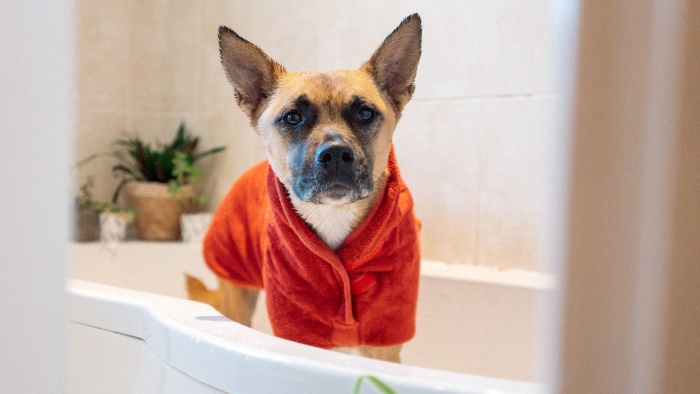
Dogs with curly or wiry coats, such as Poodles and Terriers, may require more frequent bathing to prevent matting and keep their coats looking their best. And dogs with water-repellent coats, such as Labradors and Golden Retrievers, may need to be bathed less frequently, as their coats are designed to shed water and dirt.
It's also important to consider your dog's individual personality and preferences when deciding how often to bathe them. Some dogs love water and enjoy the bathing process, while others may find it stressful or uncomfortable. If your dog falls into the latter category, you may need to bathe them less frequently, or use special techniques and products to make the experience more enjoyable.
How to Bathe Your Dog
Once you've determined how often to bathe your dog, it's time to think about the actual bathing process. This can be a daunting task, especially if you're new to dog ownership or have a dog that's nervous or resistant to bathing.

The first step is to prepare everything you need, including dog shampoo, towels, and a non-slip mat or surface. You'll also want to brush your dog thoroughly before bathing to prevent matting and tangling. Next, wet your dog down with warm water, being careful not to get water in their ears, eyes, or nose.
Apply a small amount of dog shampoo to your dog's coat, working from head to tail. Be sure to lather the shampoo well, but avoid using too much, as this can strip your dog's coat of its natural oils. Rinse your dog thoroughly, making sure to remove all soap residue. Finally, dry your dog off with a towel, being careful not to rub too hard, as this can irritate their skin.
Common Mistakes to Avoid When Bathing Your Dog
While bathing your dog can be a great way to bond and keep them clean, there are some common mistakes to avoid. One of the most common mistakes is using human shampoo on your dog. Human shampoo is too harsh for dogs and can strip their coat of its natural oils, leading to dryness, irritation, and even infection.
Another mistake is bathing your dog too frequently. Over-bathing can lead to dry, irritated skin, as well as a range of other health problems. On the other hand, under-bathing can lead to dirt, debris, and parasites building up on your dog's coat, which can cause skin irritations and infections.

It's also important to avoid getting water in your dog's ears, eyes, or nose, as this can be painful and even lead to infection. And be sure to use a non-slip mat or surface to prevent your dog from slipping and falling, which can be scary and even dangerous.
Conclusion
In conclusion, the frequency with which you should bathe your dog depends on a range of factors, including their breed, age, health, and lifestyle. By considering these factors and avoiding common mistakes, you can keep your dog clean, healthy, and happy. Remember to always use dog-specific shampoo, brush your dog thoroughly before bathing, and dry them off carefully to prevent irritation.
And don't forget to make the bathing process a positive experience for your dog. Use plenty of praise, rewards, and affection to help your dog feel comfortable and relaxed. With time and practice, bathing your dog can become a fun and enjoyable experience for both you and your furry friend. [IMAGE]
So, the next time you're wondering how often to bathe your dog, remember to consider their individual needs and personality. And don't hesitate to reach out to your veterinarian or a professional dog groomer if you have any questions or concerns. With the right approach, you can keep your dog clean, healthy, and happy, and strengthen the special bond between you and your furry friend.