
As a dog owner, one of the most important aspects of grooming is brushing your dog's coat, especially if you have a long-haired breed. Brushing not only helps to keep their fur clean and shiny, but it also prevents matting and tangling, which can be painful for your dog. In this article, we will discuss the best ways to brush your long-haired dog, including the right tools to use, how often to brush, and some helpful tips to make the process easier and more enjoyable for both you and your dog.
Choosing the Right Brush
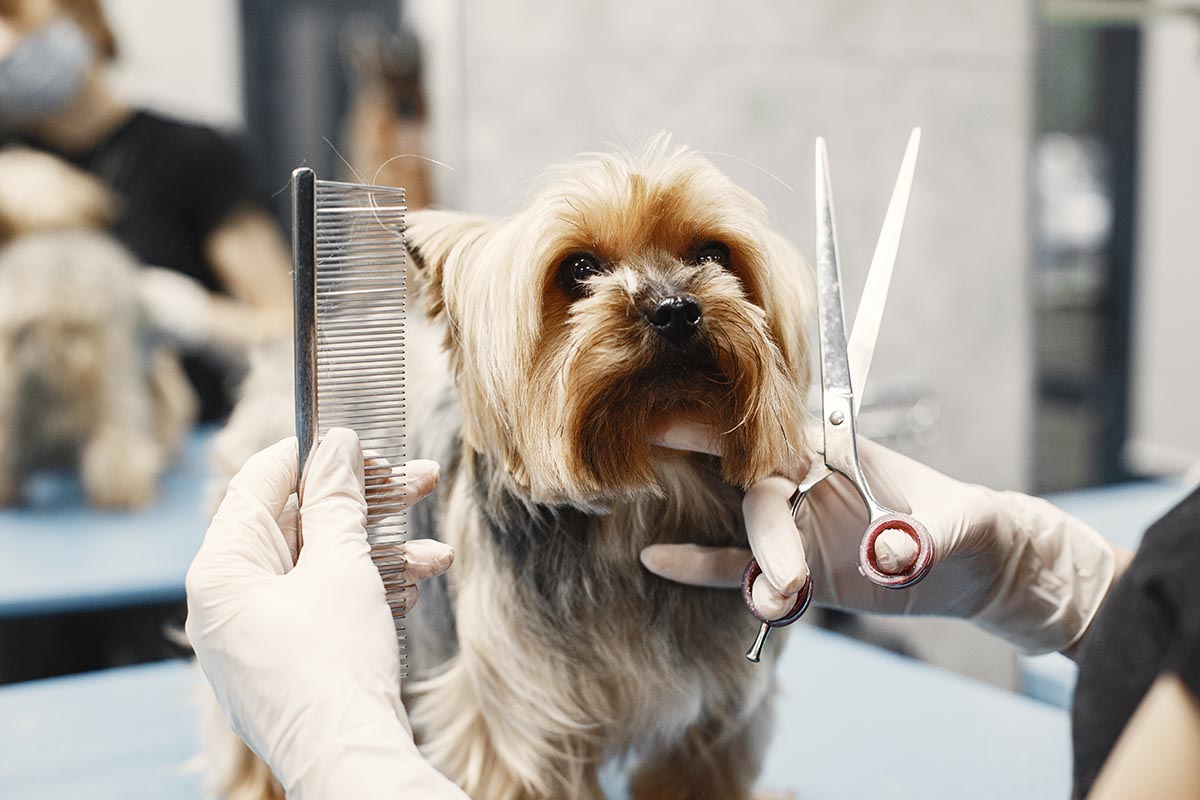
Before you start brushing your dog, it's essential to choose the right brush for their coat type. There are several types of brushes available, including slicker brushes, pin brushes, and bristle brushes. Slicker brushes are best for removing tangles and mats, while pin brushes are gentler and better suited for everyday brushing. Bristle brushes are also gentle and can be used for dogs with sensitive skin. When choosing a brush, consider the length and thickness of your dog's coat, as well as their individual needs and preferences. For example, if your dog has a thick, curly coat, a slicker brush may be the best option, while a dog with a thin, straight coat may prefer a pin brush.
 How To Brush Long Haired Dogs Choosing the Right Brush" loading="lazy" style="max-width:700px;width:100%;height:auto;border-radius:8px;">
Brushing Techniques
Once you have the right brush, it's time to start brushing your dog. Begin by gently working out any tangles or mats, starting at the ends of the hair and working your way up. Be patient and take your time, as this can be a slow and gentle process. It's also essential to brush in the direction of the hair growth, rather than against it, to prevent breakage and tangling. Use long, smooth strokes to brush your dog's coat, working from head to tail. Pay particular attention to areas where matting tends to occur, such as the armpits and behind the ears.
As you brush, it's also important to check for any skin irritations or issues, such as redness, flakiness, or sores. If you notice any of these issues, it's best to consult with a veterinarian or dog groomer for advice on how to treat them. Regular brushing can also help to distribute natural oils throughout your dog's coat, keeping it healthy and shiny.
How Often to Brush
The frequency of brushing will depend on your dog's individual needs and coat type. For example, dogs with very long or thick coats may need to be brushed daily, while those with shorter coats may only need to be brushed a few times a week. It's also important to brush your dog more frequently during shedding season, as this can help to reduce the amount of loose hair and prevent matting. As a general rule, it's a good idea to brush your dog at least 2-3 times a week, and more often if they have a particularly long or thick coat.

In addition to regular brushing, it's also important to consider other aspects of grooming, such as nail trimming, ear cleaning, and bathing. Regular grooming can help to keep your dog clean and healthy, and can also help to strengthen the bond between you and your dog. Many dogs enjoy the attention and affection that comes with grooming, and it can be a great way to spend quality time with your pet.
Additional Tips and Tricks
In addition to choosing the right brush and brushing regularly, there are several other tips and tricks that can make the brushing process easier and more enjoyable for both you and your dog. For example, it's a good idea to brush your dog in a quiet, comfortable location, free from distractions and stress. You can also try using treats and praise to reward your dog for their good behavior, and to make the experience more positive and enjoyable.
Another helpful tip is to brush your dog in sections, rather than trying to brush their entire coat at once. This can help to make the process less overwhelming, and can also help to prevent matting and tangling. You can also try using a detangling spray or conditioner to help make the brushing process easier and less painful for your dog.
Finally, it's essential to be patient and gentle when brushing your dog, especially if they are nervous or sensitive. Brushing can be a stressful experience for some dogs, so it's crucial to approach the process with care and sensitivity. If your dog appears to be experiencing stress or discomfort, it's best to stop brushing immediately and consult with a veterinarian or dog groomer for advice.
Common Mistakes to Avoid
When brushing your dog, there are several common mistakes to avoid. One of the most common mistakes is brushing too hard or aggressively, which can cause breakage and tangling. It's also important to avoid brushing against the direction of the hair growth, as this can cause discomfort and pain for your dog. Additionally, it's essential to avoid using the wrong type of brush for your dog's coat type, as this can cause damage and irritation.
Another common mistake is not brushing regularly enough, which can lead to matting and tangling. It's also important to avoid neglecting certain areas of the coat, such as the armpits and behind the ears, where matting tends to occur. By avoiding these common mistakes, you can help to keep your dog's coat healthy and shiny, and prevent a range of grooming-related problems.

In conclusion, brushing your long-haired dog is an essential part of their grooming routine. By choosing the right brush, brushing regularly, and using the right techniques, you can help to keep your dog's coat healthy and shiny, and prevent a range of grooming-related problems. Remember to be patient and gentle, and to avoid common mistakes such as brushing too hard or using the wrong type of brush. With practice and patience, you can help to keep your dog looking and feeling their best, and strengthen the bond between you and your pet.