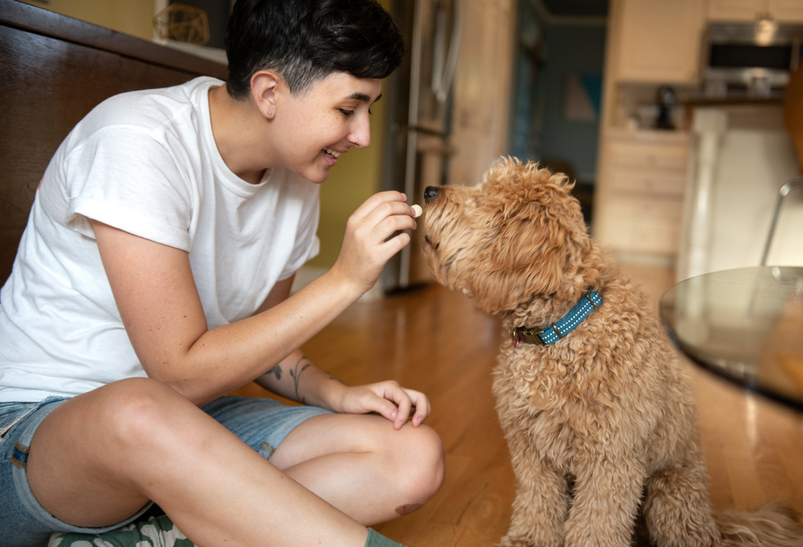
Teaching your dog the "come" command is one of the most essential skills you can impart to them. It's a command that can save their life, prevent them from getting lost, and strengthen the bond between you and your furry friend. But, let's face it, teaching a dog to come when called can be a daunting task, especially if you're a new dog owner. In this article, we'll explore the best ways to teach your dog the "come" command quickly and effectively.
Understanding the Importance of the "Come" Command
The "come" command is more than just a simple instruction; it's a lifeline that can keep your dog safe in various situations. Whether you're at the park, on a hike, or simply in your backyard, the "come" command can help prevent accidents, such as your dog running into the street or getting into a fight with another animal. Moreover, a strong recall can also prevent your dog from getting lost, which can be a traumatic experience for both you and your dog.
But, before we dive into the nitty-gritty of teaching the "come" command, it's essential to understand that every dog is different, and what works for one dog may not work for another. Factors such as breed, age, and temperament can all impact a dog's ability to learn and respond to the "come" command.
 How To Teach Come Command Fast Understanding the Importance of the Come Command" loading="lazy" style="max-width:700px;width:100%;height:auto;border-radius:8px;">
Preparation is Key
Before you start teaching your dog the "come" command, it's crucial to prepare a few things. First, choose a quiet and distraction-free area where your dog can focus on you without getting distracted by other people, animals, or noises. You'll also need some tasty treats and a positive attitude. Yes, you read that right – a positive attitude is essential when teaching your dog new skills. Avoid punishment or negative reinforcement, as this can create anxiety and make the learning process more challenging.
Next, consider the type of treats you'll use as rewards. Choose small, tasty, and healthy treats that your dog loves. You can also use verbal praise, affection, and playtime as rewards, but treats are usually the most effective way to motivate dogs.

Phase 1: Introduction to the "Come" Command
Now that you're all set, it's time to introduce your dog to the "come" command. Start by having your dog on a leash or in a controlled area, such as a room or a fenced yard. Call your dog's name, followed by the command "come" in a happy and upbeat tone. As soon as your dog responds, reward them with a treat and praise them with positive reinforcement, such as "good boy" or "good girl." Repeat this process several times, so your dog starts to associate the command with the action.
It's essential to remember that your dog may not respond immediately, and that's okay. Don't scold or punish them for not responding; instead, try to make the experience fun and engaging. You can also use a favorite toy or a squeaky ball to lure your dog towards you, making the experience more enjoyable and rewarding.

Phase 2: Gradually Increasing Distance and Distractions
Once your dog has mastered the "come" command in a controlled environment, it's time to gradually increase the distance and distractions. Start by moving further away from your dog, calling them by their name, and using the "come" command. As they respond, reward them with treats and praise. You can also introduce distractions, such as other people, animals, or noises, to help your dog learn to focus on you despite the distractions.
Remember to be patient and consistent, as this phase can be challenging for some dogs. If your dog struggles to respond, don't worry – just go back to the previous phase and practice some more. The key is to build trust and confidence in your dog, so they learn to rely on the "come" command in any situation.

Tips and Tricks for Effective Recall
Here are some additional tips and tricks to help you teach your dog the "come" command effectively:
Use a consistent tone and command: Use a happy and upbeat tone when calling your dog, and always use the same command, such as "come" or here.
Avoid punishment: Punishment can create anxiety and make the learning process more challenging. Instead, focus on positive reinforcement and rewards.
Be patient: Teaching the "come" command can take time, so be patient and consistent. Avoid rushing the process, and let your dog learn at their own pace.
Use high-value rewards: Use high-value treats and rewards to motivate your dog, especially in the early stages of training.
Practice regularly: Practice the "come" command regularly, in different locations and situations, to help your dog generalize the skill.
Common Challenges and Solutions
Despite your best efforts, you may encounter some common challenges when teaching your dog the "come" command. Here are some solutions to help you overcome these challenges:
If your dog is not responding, try using a higher-value reward or a more enticing toy. You can also try moving closer to your dog or using a different command, such as "here" instead of come.
If your dog is getting distracted, try practicing in a quieter area or using a distraction-free zone. You can also try using a longer leash or a harness to help your dog focus on you.
If your dog is running away, try using a recall device, such as a whistle or a squeaky toy, to get their attention. You can also try using a treat bag or a pouch to reward your dog as soon as they respond.
Remember, every dog is different, and what works for one dog may not work for another. Be patient, consistent, and positive, and you'll be well on your way to teaching your dog the "come" command in no time.

In conclusion, teaching your dog the "come" command is a rewarding experience that can strengthen the bond between you and your furry friend. By following these tips and tricks, you can help your dog learn this essential skill quickly and effectively. Remember to be patient, consistent, and positive, and don't hesitate to seek professional help if you need additional guidance or support. With time and practice, your dog will learn to respond to the "come" command, and you'll enjoy a stronger, more loving relationship with your loyal companion.