
As a dog owner, you know how much of a challenge it can be to keep your furry friend's coat looking its best. One of the most frustrating tasks is detangling dog fur, especially if your dog has a long or curly coat. But don't worry, with the right techniques and tools, you can make the process much easier and less painful for both you and your dog. In this article, we'll take a closer look at how to detangle dog fur, including the best tools to use, how to prevent matting, and some helpful tips to make the process less stressful for your dog.
Understanding Dog Fur
Before we dive into the nitty-gritty of detangling dog fur, it's essential to understand the different types of dog coats and how they shed. Dogs have two types of fur: the undercoat and the topcoat. The undercoat is soft and dense, while the topcoat is longer and coarser. Some breeds, such as Poodles and Bichon Frise, have a single layer of fur that requires regular grooming to prevent matting. Other breeds, like Golden Retrievers and Labradors, have a double coat that sheds heavily during certain times of the year.

Types of Dog Coats
There are several types of dog coats, each with its unique characteristics and grooming needs. Some of the most common types of dog coats include:
- Short coats: These coats are smooth and short, requiring minimal grooming.
- Long coats: These coats are long and flowing, requiring regular brushing to prevent matting.
- Curly coats: These coats are curly and wiry, requiring regular grooming to prevent matting and tangling.
- Wire coats: These coats are thick and wiry, requiring regular stripping to prevent matting and tangling.
- Double coats: These coats have a soft undercoat and a coarser topcoat, requiring regular brushing to prevent matting and shedding.
Gathering the Right Tools
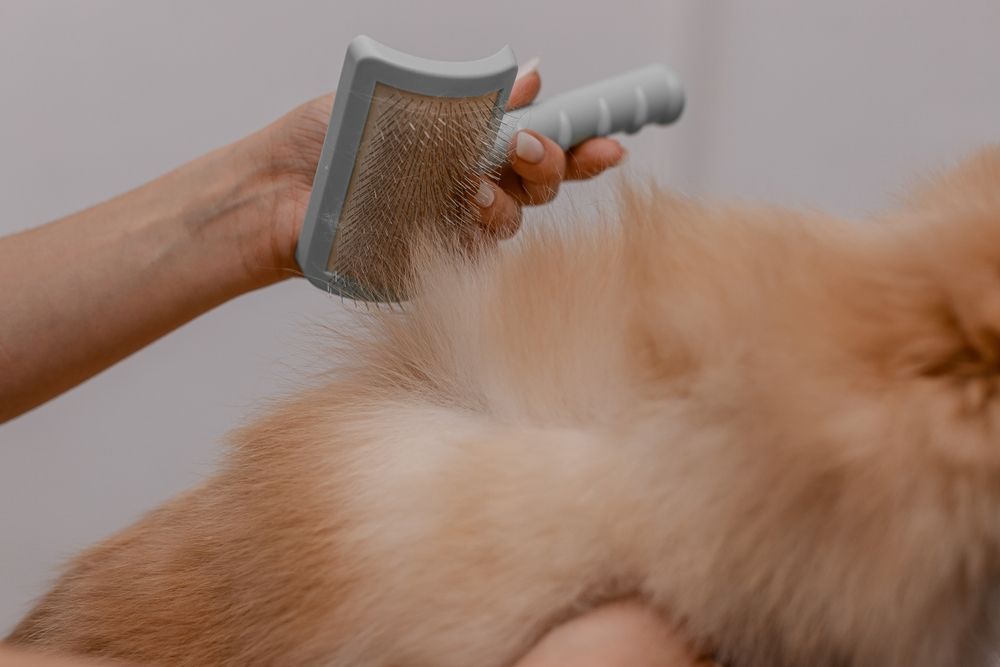
Before you start detangling your dog's fur, it's essential to gather the right tools. You'll need a few basic grooming tools, including a slicker brush, a pin brush, and a wide-tooth comb. A slicker brush is used to remove tangles and mats, while a pin brush is used to smooth and shine the coat. A wide-tooth comb is used to gently work out tangles and mats, especially in sensitive areas like the ears and paws. You may also want to consider using a detangling spray or conditioner to help make the process easier and less painful for your dog.

In addition to these basic tools, you may also want to consider using a deshedding tool, such as a Furminator or a shedding rake. These tools are designed to remove loose hair and reduce shedding, making it easier to detangle your dog's fur. However, be careful when using these tools, as they can be rough on your dog's skin if used incorrectly. It's also important to introduce these tools slowly and gently, especially if your dog is sensitive or nervous.
Detangling Dog Fur: A Step-by-Step Guide
Now that you have the right tools, it's time to start detangling your dog's fur. Here's a step-by-step guide to help you get started:
- Start by brushing your dog gently, working from the ends of the hair towards the roots. This will help to remove any loose tangles or mats.
- Use a wide-tooth comb to gently work out any tangles or mats, especially in sensitive areas like the ears and paws.
- If you encounter a particularly stubborn mat or tangle, try using a detangling spray or conditioner to help make it easier to work out.
- Once you've removed any tangles or mats, use a slicker brush to smooth and shine the coat.
- Finally, use a pin brush to add a final touch of shine and smoothness to the coat.
Tips and Tricks for Detangling Dog Fur
Detangling dog fur can be a challenging and frustrating task, especially if your dog is nervous or sensitive. Here are a few tips and tricks to help make the process easier and less stressful for both you and your dog:
- Start slowly and gently, especially if your dog is nervous or sensitive.
- Use plenty of praise and rewards to help your dog associate the detangling process with positive experiences.
- Consider using a non-slip mat or a raised grooming table to help your dog feel more secure and comfortable.
- Take regular breaks to give your dog a chance to rest and relax.
- Be patient and don't rush the process. Detangling dog fur can be a time-consuming task, but it's essential to take your time and do it correctly to avoid causing discomfort or pain to your dog.
Preventing Matting and Tangling
One of the best ways to make detangling dog fur easier is to prevent matting and tangling in the first place. Here are a few tips to help you keep your dog's coat looking its best:
- Brush your dog regularly, ideally every day or every other day.
- Use a high-quality shampoo and conditioner that's designed for your dog's specific coat type.
- Avoid using hot water, which can dry out your dog's coat and lead to matting and tangling.
- Consider using a leave-in conditioner or a coat serum to help keep your dog's coat soft and shiny.
- Keep an eye out for any signs of matting or tangling, such as knots or tangles in the fur, and address them promptly to prevent them from becoming worse.
In conclusion, detangling dog fur can be a challenging task, but with the right tools and techniques, it can be made much easier and less painful for both you and your dog. By understanding the different types of dog coats, gathering the right tools, and following a step-by-step guide, you can keep your dog's coat looking its best and prevent matting and tangling. Remember to be patient, take your time, and use plenty of praise and rewards to help your dog associate the detangling process with positive experiences. With practice and patience, you can become a pro at detangling dog fur and keep your furry friend looking and feeling its best.
