
As a dog owner, it's not uncommon to experience that guilty feeling when you leave your furry friend behind. You've probably noticed that your dog whines, paces, or even becomes destructive when you're about to leave the house. But have you ever wondered why your dog behaves this way? In this article, we'll delve into the reasons behind your dog's whining and provide you with some valuable insights on how to address this issue.
Understanding Canine Separation Anxiety
One of the primary reasons why dogs whine when their owners leave is due to separation anxiety. This is a common behavioral disorder that affects many dogs, causing them to feel distressed and anxious when they're separated from their primary caregivers. Dogs are social animals that thrive on interaction and attention, and when they're left alone, they can become overwhelmed with feelings of loneliness and isolation.
 Why Does My Dog Whine When I Leave Understanding Canine Separation Anxiety" loading="lazy" style="max-width:700px;width:100%;height:auto;border-radius:8px;">
Separation anxiety can manifest in various ways, including whining, barking, pacing, and even destructive behavior. Some dogs may also exhibit physical symptoms such as panting, drooling, and rapid heartbeat. If your dog is experiencing separation anxiety, it's essential to address the issue promptly to prevent it from escalating into a more severe problem. You can start by consulting with a professional dog trainer or behaviorist who can help you develop a customized training plan to alleviate your dog's separation anxiety.
The Role of Attachment and Bonding
Dogs are known to form strong bonds with their owners, and this attachment can sometimes be a contributing factor to their whining behavior. When you leave your dog behind, they may feel a sense of abandonment or rejection, leading to feelings of anxiety and distress. This is especially true for dogs that have been rescued or adopted, as they may have experienced trauma or neglect in the past.
 Does My Dog Whine When I Leave Addressing the Underlying Issues" loading="lazy" style="max-width:700px;width:100%;height:auto;border-radius:8px;">
However, it's essential to remember that your dog's whining is not a personal rejection of you, but rather a cry for attention and reassurance. By acknowledging and addressing your dog's emotional needs, you can help strengthen your bond and reduce their separation anxiety. This can be achieved through regular training sessions, playtime, and positive reinforcement techniques. You can also try leaving a familiar object with your scent, such as a t-shirt or sock, to provide your dog with a sense of comfort and security.
Environmental Factors and Triggering Stimuli
In some cases, your dog's whining may be triggered by environmental factors or specific stimuli. For example, the sound of the door closing, the sight of you putting on your coat, or the smell of your perfume can all serve as cues that you're about to leave. These triggers can cause your dog to become anxious and whine, even if they're not experiencing full-blown separation anxiety.
 Why Does My Dog Whine When I Leave" loading="lazy" style="max-width:700px;width:100%;height:auto;border-radius:8px;">
To address this issue, you can try to desensitize your dog to these triggers by exposing them to the stimuli in a controlled and gradual manner. For instance, you can start by putting on your coat and then removing it, rewarding your dog for remaining calm. You can also try to vary your departure routine, such as leaving through a different door or using a different scent, to reduce your dog's anticipation and anxiety. By doing so, you can help your dog become more confident and less reactive to these triggers.
Another environmental factor that can contribute to your dog's whining is the lack of mental and physical stimulation. Dogs are designed to be active and engaged, and if they're not provided with sufficient exercise, playtime, or mental stimulation, they can become bored and restless. This can lead to whining, pacing, and other destructive behaviors, especially when you're about to leave the house.
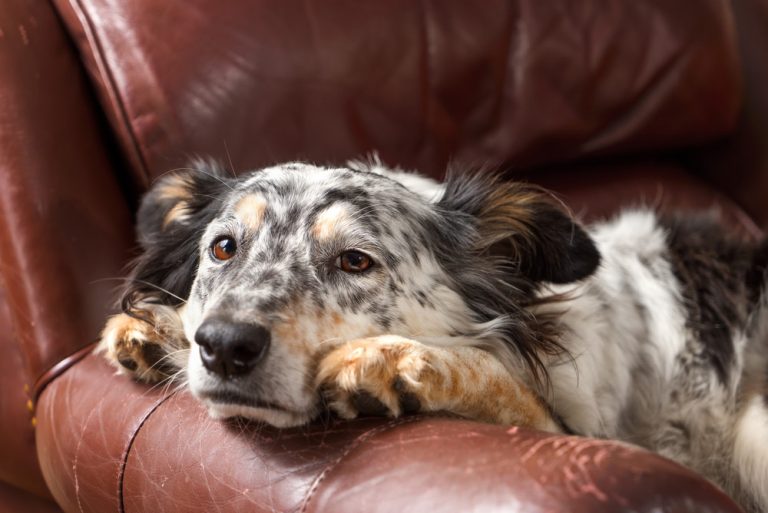
Addressing the Underlying Issues
Now that we've explored some of the reasons behind your dog's whining, it's time to address the underlying issues. The first step is to consult with a professional dog trainer or behaviorist who can help you identify the root cause of your dog's behavior. They can provide you with a customized training plan that addresses your dog's specific needs and helps you develop a stronger bond with your furry friend.
In addition to professional guidance, there are several strategies you can try to reduce your dog's whining and separation anxiety. One approach is to provide your dog with plenty of exercise, playtime, and mental stimulation before you leave the house. This can include activities such as walking, running, or playing fetch, as well as interactive toys and puzzle games that challenge your dog's problem-solving skills. By exhausting your dog physically and mentally, you can help reduce their anxiety and stress levels, making it easier for them to cope with your departure.
Another strategy is to create a safe and comfortable space for your dog to relax in when you're away. This can include a crate or a designated area with familiar toys, blankets, and treats. You can also try playing calming music or white noise to help reduce your dog's stress levels and create a more peaceful environment.
Gradual Separation and Desensitization
One of the most effective ways to address separation anxiety is through gradual separation and desensitization. This involves gradually increasing the amount of time you spend away from your dog, starting with short periods and gradually increasing the duration. By doing so, you can help your dog become more confident and less reactive to your departure, reducing their whining and anxiety.
Here's an example of how you can implement gradual separation and desensitization: Start by leaving your dog alone for 5-10 minutes, then return and reward them for remaining calm. Gradually increase the time you spend away, starting with 15-30 minutes, then 1-2 hours, and so on. Remember to reward your dog for their calm behavior and provide them with plenty of exercise, playtime, and mental stimulation before you leave. By doing so, you can help your dog become more resilient and better equipped to cope with your departure.
It's also essential to remember that every dog is different, and what works for one dog may not work for another. Be patient, consistent, and gentle when addressing your dog's separation anxiety, and don't hesitate to seek professional help if you need guidance or support. With time, effort, and the right strategies, you can help your dog overcome their whining and separation anxiety, strengthening your bond and creating a more harmonious and peaceful relationship.
Conclusion
In conclusion, your dog's whining when you leave is not just a minor issue, but a symptom of a deeper emotional need. By understanding the underlying causes of your dog's behavior and addressing the root issues, you can help reduce their separation anxiety and strengthen your bond. Remember to be patient, consistent, and gentle, and don't hesitate to seek professional help if you need guidance or support. With the right strategies and a little bit of love and care, you can help your dog overcome their whining and separation anxiety, creating a more harmonious and peaceful relationship that brings joy and happiness to both you and your furry friend. [IMAGE]