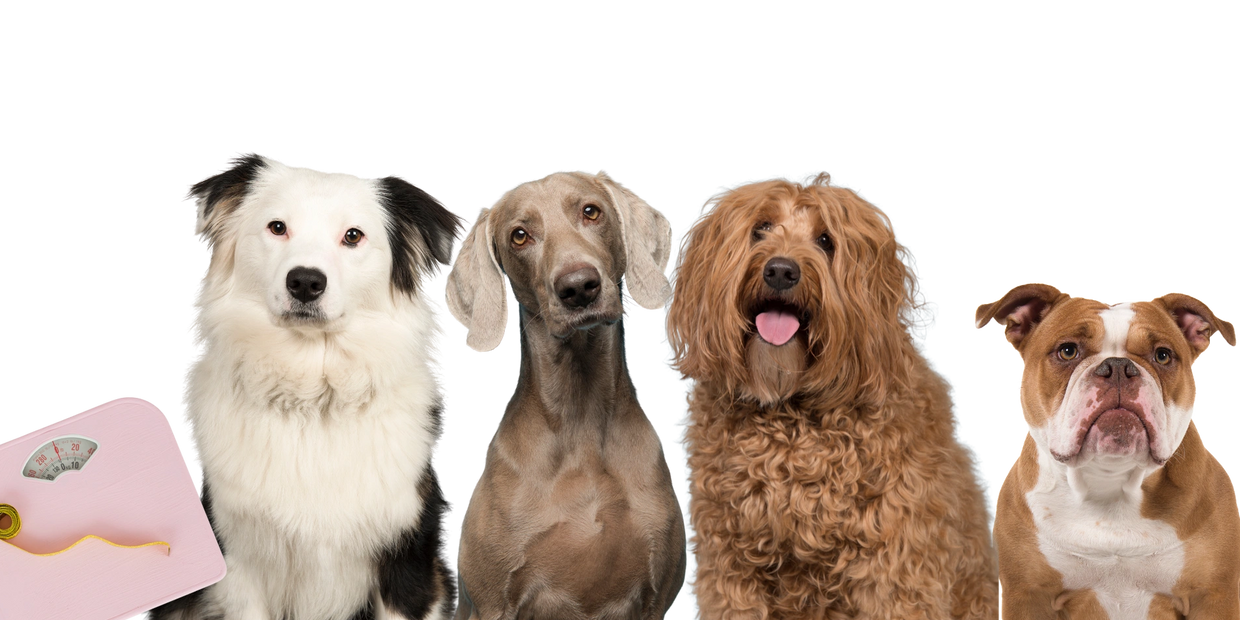
As a dog owner, it's essential to keep an eye on your furry friend's weight. Maintaining a healthy weight is crucial for your dog's overall well-being, and it can help prevent various health problems. Just like humans, dogs can suffer from weight-related issues, such as diabetes, arthritis, and heart disease. In this article, we'll explore the importance of maintaining a healthy dog weight and provide you with some valuable tips on how to achieve it.
Why is Maintaining a Healthy Dog Weight Important?
Maintaining a healthy weight is vital for your dog's health and happiness. Excess weight can put a significant strain on your dog's joints, leading to mobility issues and pain. Additionally, overweight dogs are more prone to developing chronic diseases, such as hip dysplasia, certain types of cancer, and respiratory problems. On the other hand, underweight dogs may experience a weakened immune system, making them more susceptible to illnesses. By keeping your dog at a healthy weight, you can help prevent these issues and ensure they lead a long, happy, and healthy life.
Factors That Contribute to Unhealthy Dog Weight
Several factors can contribute to unhealthy dog weight, including overfeeding, lack of exercise, and genetics. Some breeds, such as Bulldogs and Pugs, are more prone to weight gain due to their physical characteristics. Additionally, certain health conditions, such as hypothyroidism, can also lead to weight gain. It's essential to be aware of these factors and take steps to mitigate their impact on your dog's weight. For example, if you have a breed that's prone to weight gain, you'll need to be more mindful of their food intake and exercise levels.
Another critical factor is the type of food you're feeding your dog. Feeding a high-calorie diet or giving your dog too many treats can lead to weight gain. It's crucial to choose a high-quality dog food that meets your dog's nutritional needs and to limit the number of treats you give them. You should also avoid feeding your dog table scraps, as they can be high in calories and fat.
How to Determine Your Dog's Ideal Weight
Determining your dog's ideal weight can be challenging, but there are a few ways to do it. One method is to use a body condition scoring system, which involves feeling your dog's ribs, spine, and hips to determine if they're at a healthy weight. You can also use a weight chart specific to your dog's breed and size to determine their ideal weight. It's essential to consult with your veterinarian to determine your dog's ideal weight, as they can assess your dog's overall health and provide personalized recommendations.

Tips for Maintaining a Healthy Dog Weight
Maintaining a healthy dog weight requires a combination of proper nutrition, regular exercise, and lifestyle changes. Here are some valuable tips to help you keep your dog at a healthy weight:
Firstly, feed a high-quality dog food that meets your dog's nutritional needs. Choose a food that's formulated for your dog's life stage, breed, and size, and avoid overfeeding. You should also limit the number of treats you give your dog and avoid feeding them table scraps. Instead, opt for low-calorie treats, such as baby carrots or green beans, to reward your dog during training sessions.
Regular exercise is also crucial for maintaining a healthy dog weight. Aim for at least 30 minutes of exercise per day, which can include walks, runs, or playtime in the park. You can also try more structured activities, such as agility training or obedience classes, to keep your dog engaged and active. If you have a busy schedule, consider hiring a dog walker or asking a friend to take your dog for a walk.

The Importance of Monitoring Your Dog's Weight
Monitoring your dog's weight is essential to ensure they're maintaining a healthy weight. You should weigh your dog regularly, ideally every month, to track any changes in their weight. You can use a dog scale or consult with your veterinarian to determine the best way to weigh your dog. It's also important to keep an eye on your dog's body condition, looking for signs such as a visible waist, a tucked-in abdomen, and a visible ribcage.
If you notice any changes in your dog's weight or body condition, it's essential to consult with your veterinarian. They can help you identify the underlying cause of the weight change and provide personalized recommendations to get your dog back on track. Your veterinarian can also help you develop a weight loss or gain plan, which may include changes to your dog's diet, exercise routine, or lifestyle.

Common Mistakes to Avoid When Maintaining a Healthy Dog Weight
When maintaining a healthy dog weight, there are several common mistakes to avoid. Firstly, avoid overfeeding your dog, as this can lead to weight gain and other health problems. You should also avoid underfeeding your dog, as this can lead to malnutrition and other health issues. It's essential to find the right balance and feed your dog according to their individual needs.
Another mistake to avoid is not providing enough exercise. Regular exercise is crucial for maintaining a healthy dog weight, and a lack of exercise can lead to weight gain and other health problems. You should also avoid making sudden changes to your dog's diet or exercise routine, as this can lead to stress and other health issues. Instead, make gradual changes and monitor your dog's response to ensure they're adjusting well.
Conclusion
Maintaining a healthy dog weight is essential for your dog's overall well-being and happiness. By following the tips outlined in this article, you can help your dog achieve and maintain a healthy weight. Remember to feed a high-quality dog food, provide regular exercise, and monitor your dog's weight and body condition. With patience, persistence, and the right guidance, you can help your dog lead a long, happy, and healthy life.

By being mindful of your dog's weight and taking steps to maintain a healthy weight, you can help prevent various health problems and ensure your dog leads a happy and fulfilling life. Remember, every dog is different, and what works for one dog may not work for another. Be patient, work with your veterinarian, and make adjustments as needed to find the right balance for your furry friend.