
As a dog owner, there's nothing more frustrating than dealing with a flea infestation. Those pesky little critters can cause discomfort, anxiety, and even health problems for your furry friend. But the good news is that preventing fleas on dogs is easier than you think. In this article, we'll dive into the world of flea prevention and explore the best ways to keep those unwanted guests at bay.
Understanding Fleas
Before we can talk about prevention, let's take a closer look at what fleas are and how they work. Fleas are tiny, blood-sucking insects that feed on the blood of mammals and birds. They're incredibly resilient and can survive in a variety of environments, from the freezing cold to the scorching hot. Adult fleas are about 1-2 millimeters long, and they have a distinctive flat, oval shape. They're usually brown or reddish-brown in color, and they have a hard outer shell that protects them from the elements.
 How To Prevent Fleas on Dogs Understanding Fleas" loading="lazy" style="max-width:700px;width:100%;height:auto;border-radius:8px;">
The Flea Life Cycle
To understand how to prevent fleas, it's essential to know about their life cycle. The flea life cycle consists of four stages: egg, larva, pupa, and adult. Female fleas can lay up to 50 eggs per day, which hatch into larvae after about two weeks. The larvae then feed on debris and organic matter before spinning a cocoon and entering the pupa stage. After a few weeks, the adult flea emerges, ready to start the cycle all over again. This means that if you don't take action, a single flea can quickly turn into a full-blown infestation.
Health Risks Associated with Fleas
Fleas aren't just a nuisance; they can also pose serious health risks to your dog. Flea bites can cause discomfort, itching, and allergic reactions, which can lead to skin infections and hot spots. In severe cases, flea infestations can even cause anemia, particularly in puppies or dogs with underlying health conditions. Additionally, fleas can transmit diseases like tapeworms, typhus, and even the bubonic plague. So, it's crucial to take flea prevention seriously and take proactive steps to protect your furry friend.
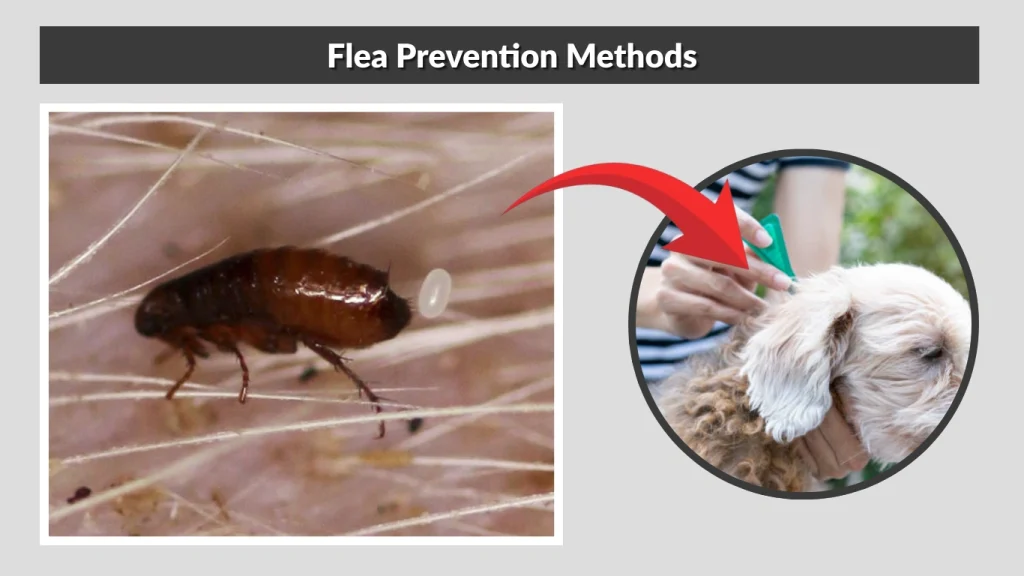
Prevention Methods
So, how can you prevent fleas on dogs? The good news is that there are many effective methods to choose from. Here are some of the most popular and effective ways to keep fleas at bay:
Topical Treatments
Topical treatments are a popular choice for flea prevention. These products are applied directly to your dog's skin, usually between the shoulder blades or at the base of the neck. They contain ingredients like fipronil, imidacloprid, or permethrin, which kill fleas and ticks on contact. Some popular topical treatments include Frontline, Advantix, and Revolution. These products are usually applied monthly, and they're a great option for dogs that spend a lot of time outdoors.
Oral Medications
Oral medications are another effective way to prevent fleas. These products are given to your dog orally, usually in the form of a tablet or chewable treat. They contain ingredients like lufenuron, which prevents flea eggs from hatching, or nitenpyram, which kills adult fleas. Some popular oral medications include Capstar, Comfortis, and Trifexis. These products are usually given monthly, and they're a great option for dogs that don't like topical treatments or have sensitive skin.

Flea Combs and Shampoos
Flea combs and shampoos are a more traditional way to prevent fleas. Flea combs are designed to remove fleas and their eggs from your dog's coat, while shampoos are used to kill fleas and soothe itchy skin. These products are usually used in conjunction with other prevention methods, and they're a great way to keep your dog clean and comfortable. When using a flea comb, it's essential to dip the comb in soapy water after each pass to kill any fleas that are removed.
Environmental Control
Environmental control is a crucial aspect of flea prevention. This involves treating your home and yard to eliminate fleas and their eggs. You can use products like flea sprays, foggers, or yard treatments to kill fleas and prevent re-infestation. It's also essential to wash your dog's bedding, toys, and any other items that may have come into contact with fleas. By controlling the environment, you can prevent fleas from taking hold and reduce the risk of infestation.

Additional Tips
In addition to these prevention methods, there are several other tips to keep in mind when it comes to preventing fleas on dogs. Here are a few additional tips to help you keep those pesky critters at bay:
Regular Grooming
Regular grooming is essential for detecting fleas and preventing infestations. By brushing your dog regularly, you can remove fleas and their eggs, as well as detect any signs of flea bites or allergic reactions. Use a flea comb or a regular brush to remove tangles and mats, and to distribute natural oils throughout your dog's coat.
Keep Your Home Clean
Keeping your home clean is crucial for preventing fleas. Regularly vacuum your floors, especially in areas where your dog spends most of its time. Use a vacuum cleaner with a flea attachment, and dispose of the bag or empty the canister after each use to prevent fleas from escaping. You should also wash your dog's bedding, toys, and any other items that may have come into contact with fleas.
By following these tips and using a combination of prevention methods, you can keep your dog safe from those pesky little critters. Remember, flea prevention is an ongoing process that requires regular attention and maintenance. But with the right products and techniques, you can keep your furry friend happy, healthy, and flea-free.