
As a dog owner, there's nothing more heartbreaking than seeing your furry friend suffer from skin problems. Whether it's itching, scratching, or hot spots, skin issues can be uncomfortable and painful for your dog, and frustrating for you as a pet parent. But the good news is that many skin problems can be prevented with the right care and attention. In this article, we'll explore the common causes of skin problems in dogs and provide you with practical tips on how to prevent them.
Understanding Common Skin Problems in Dogs
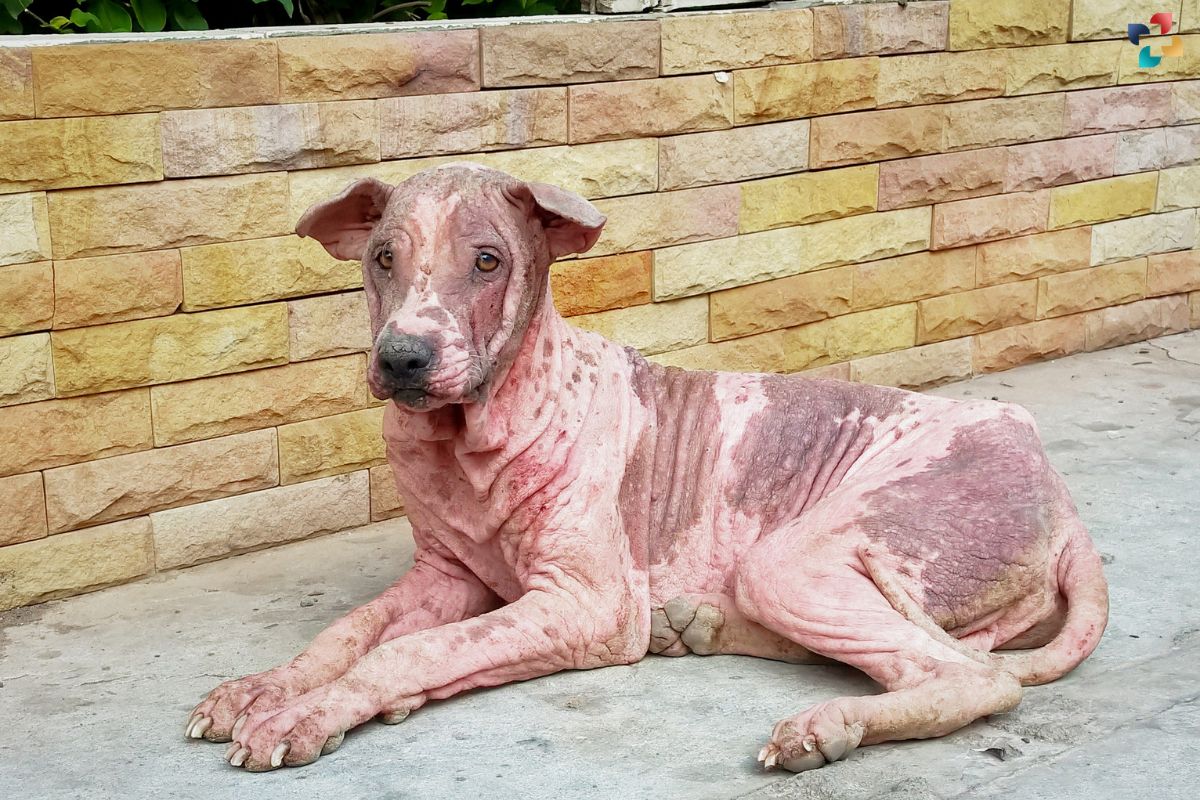
Skin problems are one of the most common health issues affecting dogs. According to the American Kennel Club, skin allergies, fleas, and skin infections are among the top 10 most common health issues in dogs. Some common skin problems in dogs include atopic dermatitis, flea allergy dermatitis, hot spots, and seborrhea. Atopic dermatitis, also known as atopy, is a chronic skin condition that causes itching, scratching, and inflammation. Flea allergy dermatitis is an allergic reaction to flea bites, which can cause intense itching and scratching. Hot spots, also known as pyotraumatic dermatitis, are areas of skin that become inflamed and infected, often due to excessive licking or chewing. Seborrhea is a skin condition that causes flaking, itching, and redness, often due to overproduction of skin oils.

Causes of Skin Problems in Dogs
So, what causes skin problems in dogs? There are several factors that can contribute to skin issues in dogs, including genetics, allergies, fleas, ticks, and environmental factors. Some breeds, such as Golden Retrievers and Labradors, are more prone to skin problems due to their genetic makeup. Allergies to food, environmental factors, or substances can also cause skin problems in dogs. Fleas and ticks can cause skin irritation and transmit diseases, while environmental factors such as pollution, humidity, and temperature can also contribute to skin issues. Additionally, poor nutrition, lack of grooming, and underlying health conditions can also increase the risk of skin problems in dogs.
Nutrition and Skin Health
Nutrition plays a critical role in maintaining healthy skin in dogs. A balanced diet that includes essential fatty acids, vitamins, and minerals can help to promote healthy skin and reduce the risk of skin problems. Foods rich in omega-3 fatty acids, such as salmon and flaxseed, can help to reduce inflammation and promote healthy skin. Vitamin E and zinc are also essential for skin health, as they help to protect the skin from damage and promote healing. On the other hand, a diet that is high in fillers, by-products, and artificial preservatives can increase the risk of skin problems in dogs. If you're concerned about your dog's skin health, it's a good idea to consult with your veterinarian about the best diet for your dog.
Preventing Skin Problems in Dogs
Preventing skin problems in dogs requires a multi-faceted approach that includes regular grooming, proper nutrition, and parasite control. Regular grooming can help to remove dirt, debris, and parasites from your dog's coat, reducing the risk of skin problems. Brushing your dog's coat regularly can also help to distribute skin oils and promote healthy skin. In addition to grooming, proper nutrition is essential for maintaining healthy skin. Feeding a balanced diet that includes essential fatty acids, vitamins, and minerals can help to promote healthy skin and reduce the risk of skin problems. Parasite control is also critical, as fleas and ticks can cause skin irritation and transmit diseases.
Regular check-ups with your veterinarian can also help to identify skin problems early on, reducing the risk of complications and promoting healthy skin. Your veterinarian can provide you with guidance on the best ways to prevent skin problems in your dog, including recommendations for grooming, nutrition, and parasite control. Additionally, keeping your dog's environment clean and free of allergens can also help to reduce the risk of skin problems. Regular cleaning of your dog's bedding, toys, and living areas can help to remove dirt, dust, and allergens that can contribute to skin problems.

Home Remedies for Skin Problems in Dogs
While prevention is the best approach to skin problems in dogs, there are also several home remedies that can help to soothe and calm irritated skin. Oatmeal baths, for example, can help to reduce itching and inflammation, while aloe vera can help to promote healing and reduce redness. Coconut oil can also be used to moisturize and soothe dry, irritated skin. Apple cider vinegar can help to balance the p H of your dog's skin, reducing the risk of infections and promoting healthy skin. However, it's always a good idea to consult with your veterinarian before trying any home remedies, as they can interact with other medications or worsen underlying health conditions.
When to Seek Veterinary Care
While home remedies can be helpful in soothing and calming irritated skin, there are times when veterinary care is necessary. If your dog is experiencing intense itching, scratching, or pain, it's essential to seek veterinary care as soon as possible. Additionally, if you notice any signs of infection, such as redness, swelling, or discharge, you should seek veterinary care immediately. Your veterinarian can provide you with a proper diagnosis and treatment plan, which may include medications, supplements, or other therapies. In severe cases, hospitalization may be necessary to provide supportive care and manage complications.

Conclusion
In conclusion, preventing skin problems in dogs requires a comprehensive approach that includes regular grooming, proper nutrition, parasite control, and regular check-ups with your veterinarian. By following these tips and being mindful of the common causes of skin problems in dogs, you can help to promote healthy skin and reduce the risk of skin issues in your furry friend. Remember, every dog is different, and what works for one dog may not work for another. If you're concerned about your dog's skin health, it's always best to consult with your veterinarian for personalized advice and guidance. With the right care and attention, you can help to keep your dog's skin healthy and happy for years to come.