
Are you a proud owner of a Beagle, or are you thinking of bringing one home soon? Either way, you're probably wondering how to train your furry friend to be well-behaved and obedient. Beagles are known for their friendly, curious, and energetic personalities, which can make them a joy to be around, but also a challenge to train. In this article, we'll share some valuable Beagle training tips to help you get started on the right paw.
Understanding Beagle Behavior
Before we dive into the training tips, it's essential to understand Beagle behavior and what makes them tick. Beagles are pack animals and thrive on social interaction, so they need plenty of attention, exercise, and mental stimulation. They are also prone to barking, howling, and following their noses, which can be both entertaining and frustrating at times. By understanding these traits, you can tailor your training approach to meet your Beagle's unique needs and personality.
Housebreaking Tips
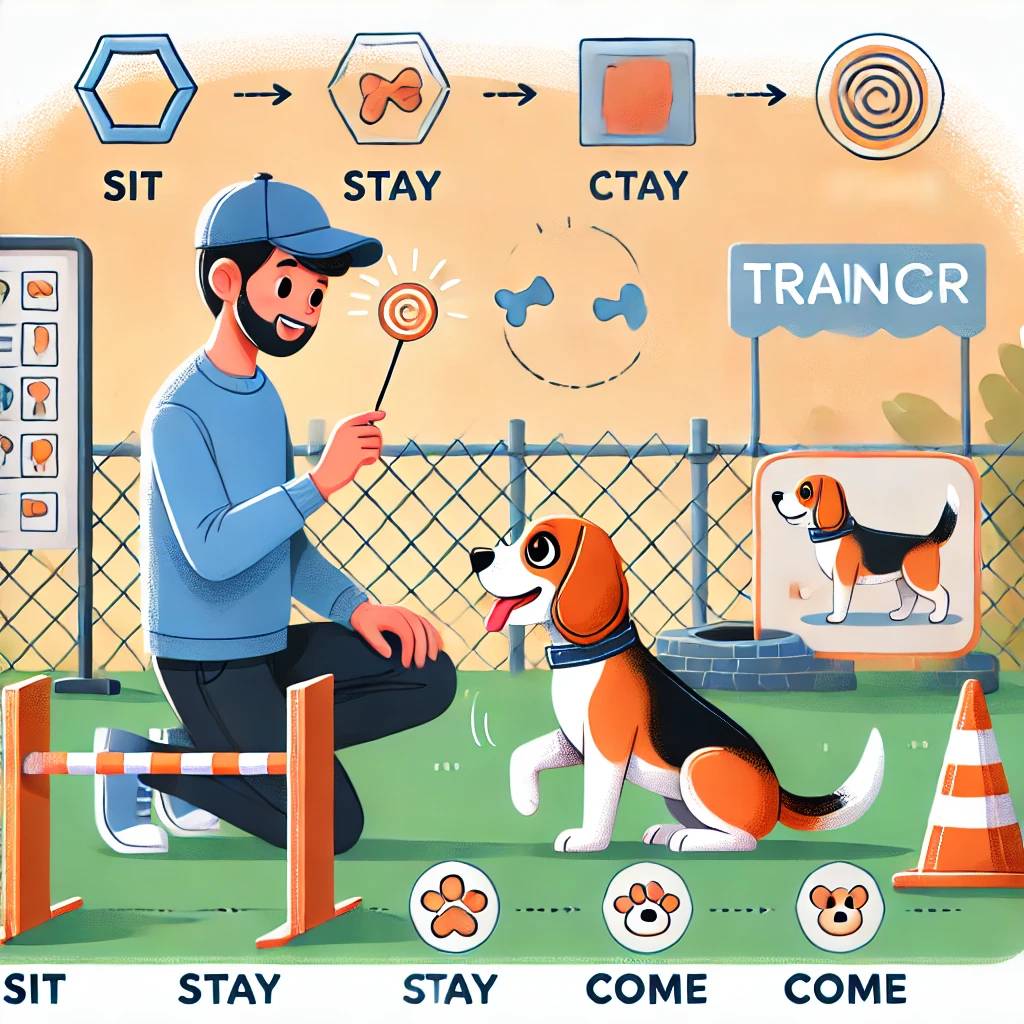
Housebreaking is one of the most critical aspects of Beagle training, and it requires patience, consistency, and positive reinforcement. Beagles are prone to accidents, especially in the early stages of training, so it's crucial to establish a routine and stick to it. Here are some housebreaking tips to get you started: take your Beagle outside to the same spot each time, use a specific command like "go potty," and reward them with treats and praise when they do their business. Remember to keep an eye on your Beagle at all times, especially in the early stages, and be prepared for accidents.
It's also important to note that Beagles have small bladders and can't hold their urine for long periods. So, if you're going to be away from home for an extended period, make sure to hire a dog walker or ask a friend to take your Beagle out for a break. With time and consistency, your Beagle will learn to go potty outside and avoid accidents in the house.
Crate Training
Crate training is an effective way to housebreak your Beagle, reduce separation anxiety, and prevent destructive behavior. Beagles are den animals and feel comfortable in small, enclosed spaces, so they tend to thrive in crates. When introducing a crate to your Beagle, start by placing them in it for short periods while you're at home, then gradually increase the duration. Make sure to provide plenty of treats, toys, and comfort items to make the crate a welcoming space.

Remember to choose a crate that's the right size for your Beagle, with enough room for them to stand up, turn around, and lie down comfortably. You should also avoid using the crate as a punishment, as this can create negative associations and make your Beagle fearful of the crate. With patience and consistency, your Beagle will learn to love their crate and see it as a safe haven.
Basic Obedience Commands
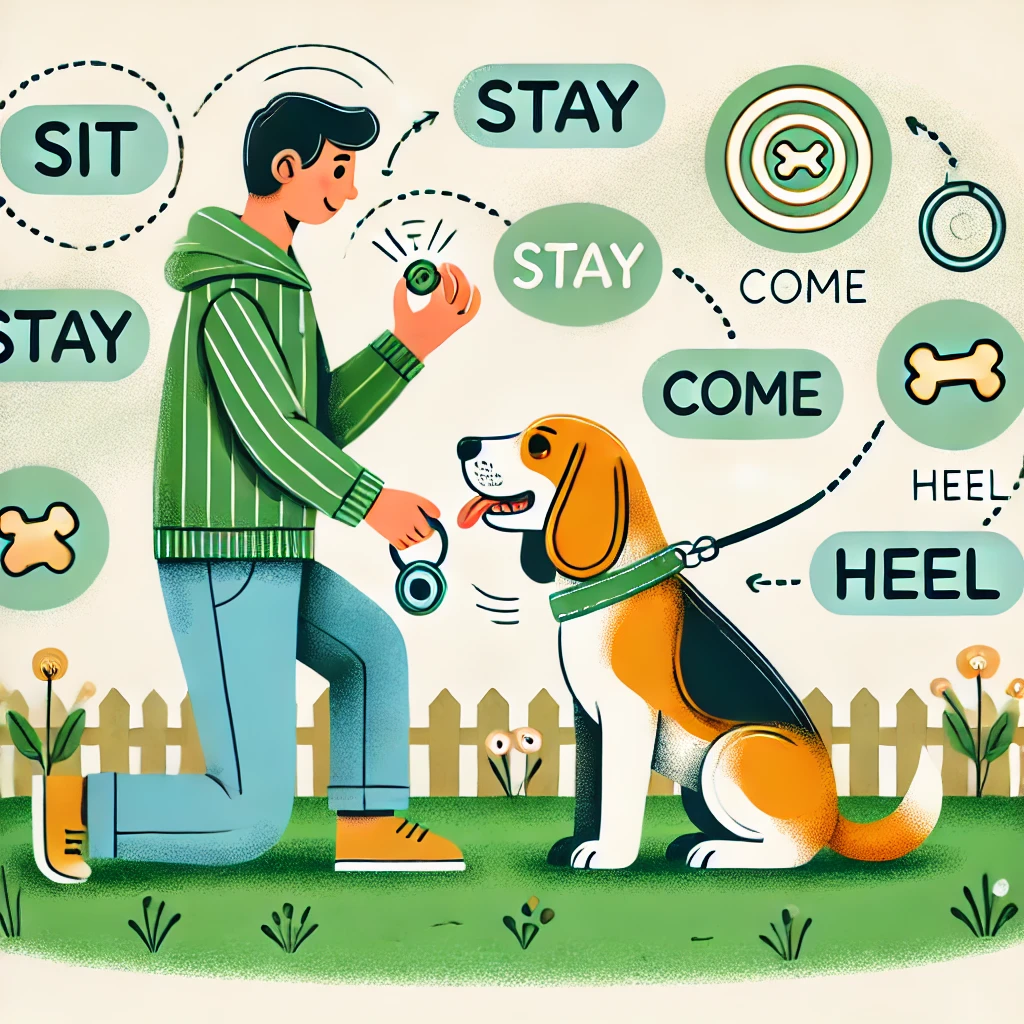
Once your Beagle is housebroken, it's time to move on to basic obedience commands. Beagles are intelligent dogs, but they can be stubborn at times, so it's essential to use positive reinforcement techniques to encourage good behavior. Here are some basic obedience commands to get you started: sit, stay, come, down, and leave it. Start by teaching one command at a time, using treats, praise, and affection to reinforce good behavior.
For example, to teach your Beagle to sit, hold a treat above their head and move it backwards towards their tail. As they follow the treat with their nose, their bottom will lower into a sitting position. Once they're in the sit position, say "sit" and give them the treat. Repeat this process several times until your Beagle learns the command.
Remember to be patient and consistent when teaching obedience commands, as Beagles can get distracted easily. Use a happy, upbeat tone of voice, and avoid punishing or scolding your Beagle for mistakes. With time and practice, your Beagle will learn to respond to basic obedience commands and become a well-behaved member of your family.
Advanced Training Tips
Once your Beagle has mastered basic obedience commands, it's time to move on to advanced training. This can include agility training, scent work, and even therapy dog training. Beagles are highly energetic and love to stay active, so they thrive on physical and mental challenges. Advanced training can help to burn off excess energy, stimulate their minds, and strengthen the bond between you and your Beagle.
For example, agility training involves setting up obstacle courses that challenge your Beagle to jump, tunnel, and climb. This type of training is an excellent way to burn off energy, improve coordination, and build confidence. Scent work, on the other hand, involves teaching your Beagle to follow specific scents and track objects. This type of training is an excellent way to stimulate their sense of smell and provide mental stimulation.

Remember to always keep training sessions short and fun, as Beagles can get bored or overwhelmed if they're pushed too hard. Use positive reinforcement techniques, such as treats and praise, to encourage good behavior and build trust. With patience, consistency, and positive reinforcement, you can help your Beagle become a well-trained, well-behaved companion.
Common Training Challenges
Despite their friendly and curious nature, Beagles can be challenging to train at times. Here are some common training challenges you may encounter, along with some tips to overcome them: barking and howling, digging and destructive behavior, jumping up and nipping, and food obsession. By understanding the underlying causes of these behaviors and using positive reinforcement techniques, you can help your Beagle overcome these challenges and become a well-behaved member of your family.
For example, if your Beagle is barking and howling excessively, it may be due to boredom, anxiety, or lack of exercise. To address this issue, try providing more physical and mental stimulation, such as longer walks, playtime, and interactive toys. You can also try using positive reinforcement techniques, such as treats and praise, to encourage quiet behavior.
Remember to stay patient, consistent, and calm when dealing with training challenges, as Beagles can pick up on your energy and emotions. Avoid punishing or scolding your Beagle, as this can create negative associations and make the problem worse. With time, patience, and positive reinforcement, you can help your Beagle overcome common training challenges and become a well-behaved companion.
In conclusion, Beagle training requires patience, consistency, and positive reinforcement. By understanding Beagle behavior, using housebreaking tips, crate training, and basic obedience commands, you can help your furry friend become a well-behaved member of your family. Remember to stay calm, patient, and positive, and to always reward good behavior with treats, praise, and affection. With time and practice, you and your Beagle can build a strong, loving bond that will last a lifetime.