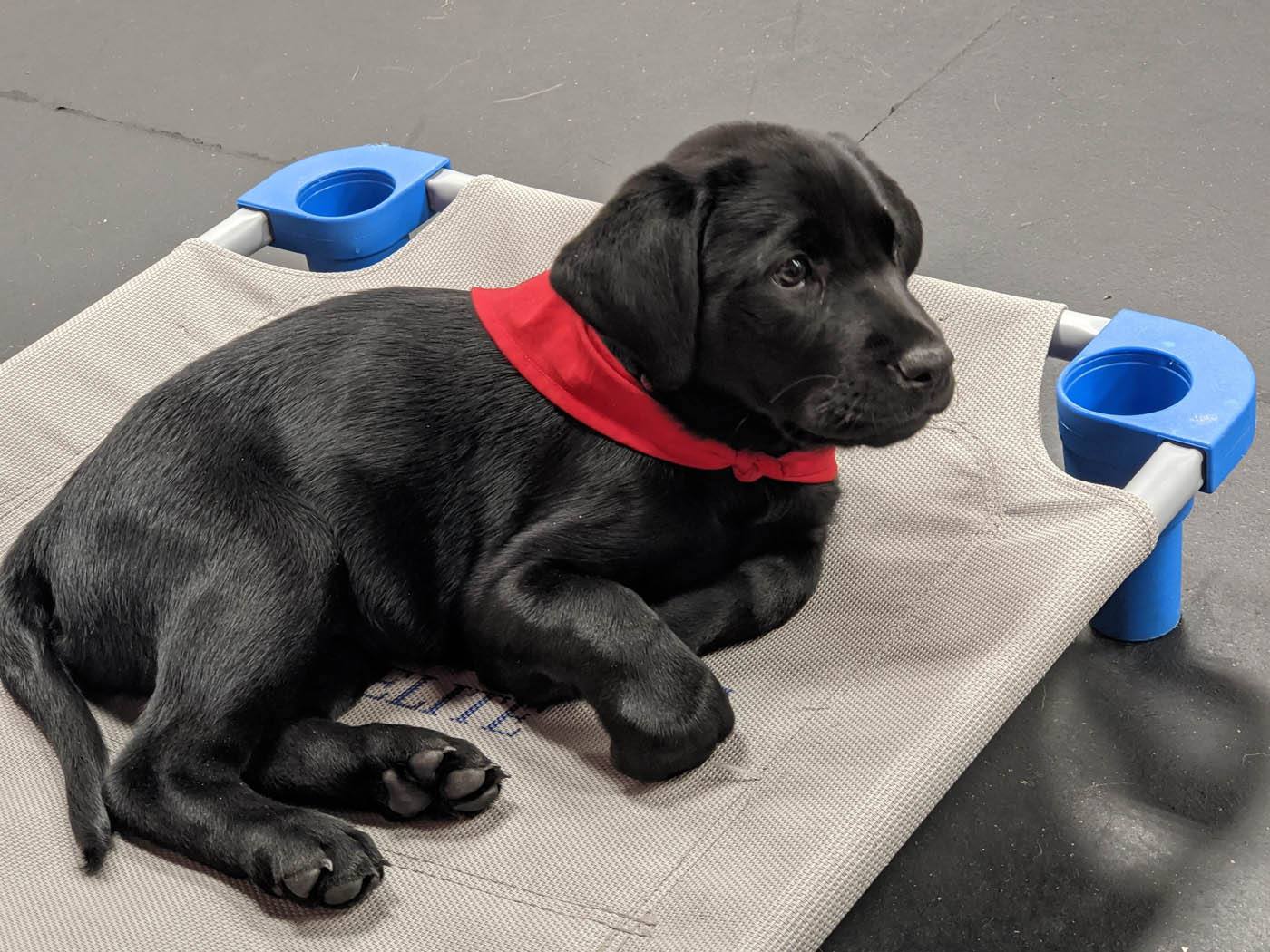
As a dog owner, you know how exciting it can be to bring a new furry friend into your family. However, it's not uncommon for dogs to get anxious or stressed in certain situations, which can lead to unwanted behaviors like barking, whining, or even destructive tendencies. But did you know that with the right training and techniques, you can teach your dog to stay calm and composed, even in the most challenging situations? In this article, we'll explore the ins and outs of training your dog to stay calm, and provide you with practical tips and advice to help you achieve this goal.
Understanding Canine Anxiety
Before we dive into the training process, it's essential to understand what causes canine anxiety in the first place. Dogs can become anxious or stressed due to a variety of factors, including loud noises, separation from their owners, new environments, or even certain people or animals. Some breeds are more prone to anxiety than others, but it's a common issue that can affect any dog, regardless of breed or size.
 To Train Dogs to Stay Calm Understanding Canine Anxiety" loading="lazy" style="max-width:700px;width:100%;height:auto;border-radius:8px;">
To address canine anxiety, it's crucial to identify the underlying causes and triggers. For example, if your dog becomes anxious during thunderstorms, you'll want to develop a plan to help them cope with the loud noises and flashes of lightning. By understanding what causes your dog's anxiety, you can develop a tailored training plan that addresses their specific needs and concerns.
Creating a Calm Environment
One of the most effective ways to train your dog to stay calm is by creating a calm and peaceful environment. This can be achieved by reducing stressors and stimuli that may trigger anxiety, such as loud noises or busy rooms. You can also use calming aids like pheromone diffusers, calming music, or even aromatherapy to create a soothing atmosphere.
 How To Train Dogs to Stay Calm Managing Anxiety Triggers" loading="lazy" style="max-width:700px;width:100%;height:auto;border-radius:8px;">
Another critical aspect of creating a calm environment is establishing a consistent routine. Dogs thrive on predictability, so by establishing a regular daily routine that includes set times for feeding, exercise, and play, you can help your dog feel more secure and calm. This can also help reduce separation anxiety, as your dog will learn to associate your departures and arrivals with a sense of calm and normalcy.
Training Techniques for Calmness
Now that we've covered the importance of creating a calm environment, let's explore some training techniques that can help your dog stay calm in various situations. One of the most effective techniques is desensitization and counterconditioning. This involves gradually exposing your dog to the stimuli that trigger anxiety, while associating it with positive outcomes and rewards. For example, if your dog becomes anxious during car rides, you can start by simply sitting in the car with them, then gradually progress to short drives, while rewarding them with treats and praise for calm behavior.
Another technique is to teach your dog the "settle" command. This involves teaching your dog to calmly sit or lie down on command, which can help them relax and focus in stressful situations. You can achieve this by starting with short training sessions, where you encourage your dog to sit or lie down, then reward them with treats and praise for remaining calm.
 Train Dogs to Stay Calm" loading="lazy" style="max-width:700px;width:100%;height:auto;border-radius:8px;">
It's also essential to teach your dog to respond to basic obedience commands, such as "sit," "stay," and "leave it." These commands can help your dog feel more secure and in control, which can reduce anxiety and stress. By combining these commands with positive reinforcement techniques, such as treats and praise, you can help your dog develop a sense of calm and confidence in the face of challenging situations.
Managing Anxiety Triggers
While training your dog to stay calm is an ongoing process, it's also essential to manage anxiety triggers that may arise in everyday situations. For example, if your dog becomes anxious during walks due to encountering other dogs or people, you can take steps to minimize these interactions. This might involve avoiding busy areas, using calming aids like head collars or harnesses, or even enlisting the help of a professional dog trainer or behaviorist.
Another common anxiety trigger is separation from owners. To address this, you can start by leaving your dog alone for short periods, then gradually increase the duration. You can also leave a treat-filled toy or a calming aid, like a pheromone diffuser, to help your dog feel more secure and calm in your absence.
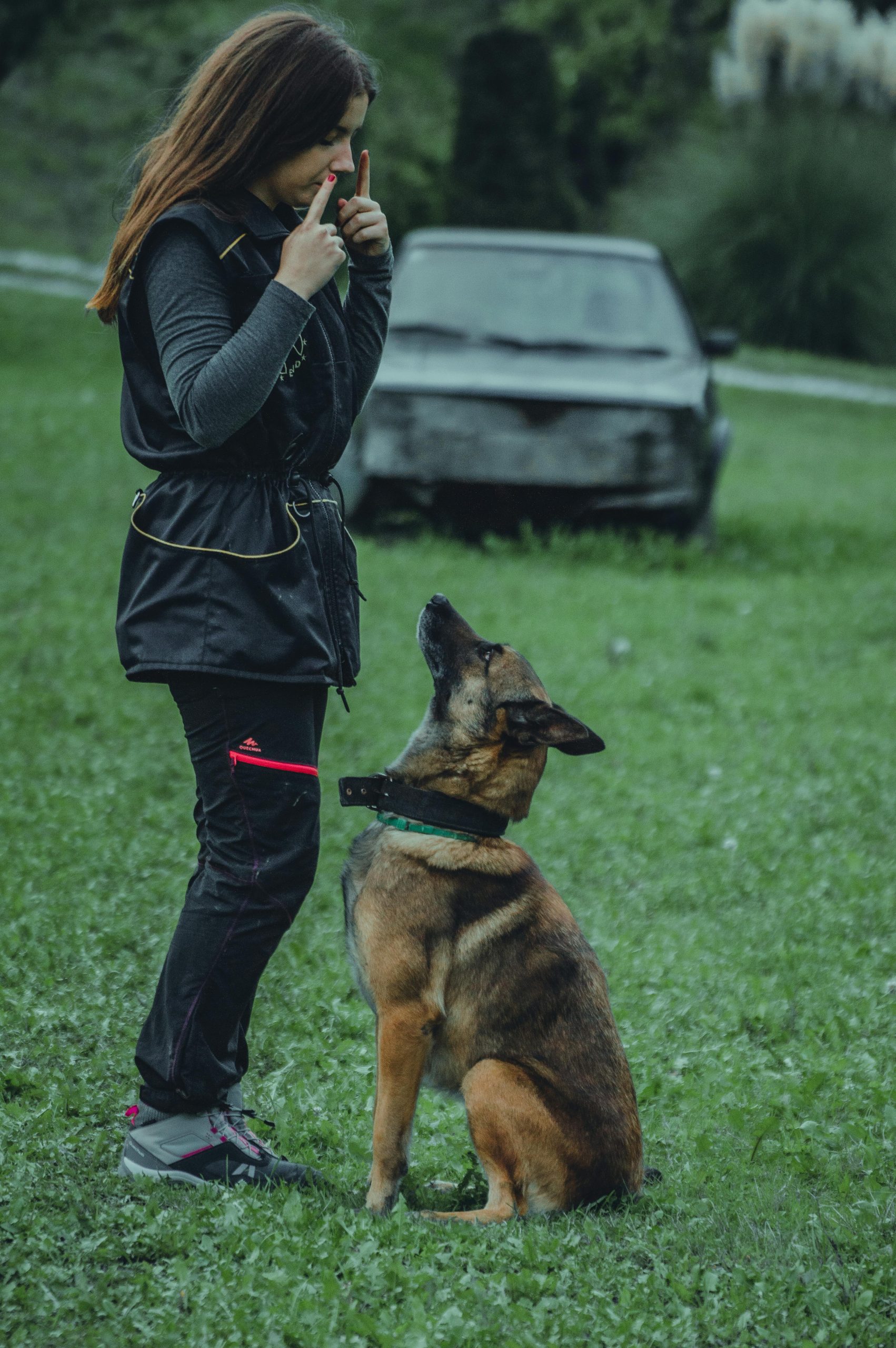
It's also crucial to be patient and consistent when training your dog to stay calm. Anxiety can be a deeply ingrained issue, and it may take time and effort to address. By working with your dog regularly, using positive reinforcement techniques, and seeking professional help when needed, you can help your dog develop the skills and confidence they need to stay calm and composed in a variety of situations.
Conclusion
Training your dog to stay calm is a rewarding and ongoing process that requires patience, consistency, and positive reinforcement. By creating a calm environment, using training techniques like desensitization and counterconditioning, and managing anxiety triggers, you can help your dog develop the skills and confidence they need to thrive in a variety of situations. Remember to be patient and seek professional help when needed, and don't hesitate to reach out to a veterinarian or animal behaviorist for guidance and support. With time and effort, you can help your dog become a calm and well-adjusted companion, and strengthen the bond between you and your furry friend.