As a dog owner, it's essential to be aware of the common health issues that can affect your furry friend. One of the most painful and uncomfortable conditions that can affect dogs is an ear infection. Ear infections in dogs can be caused by a variety of factors, including bacteria, yeast, and parasites. If left untreated, ear infections can lead to more severe complications, such as hearing loss, balance problems, and even facial paralysis. In this article, we'll discuss the signs of ear infection in dogs, how to diagnose and treat them, and provide tips on how to prevent them from occurring in the first place.
What are the signs of ear infection in dogs?
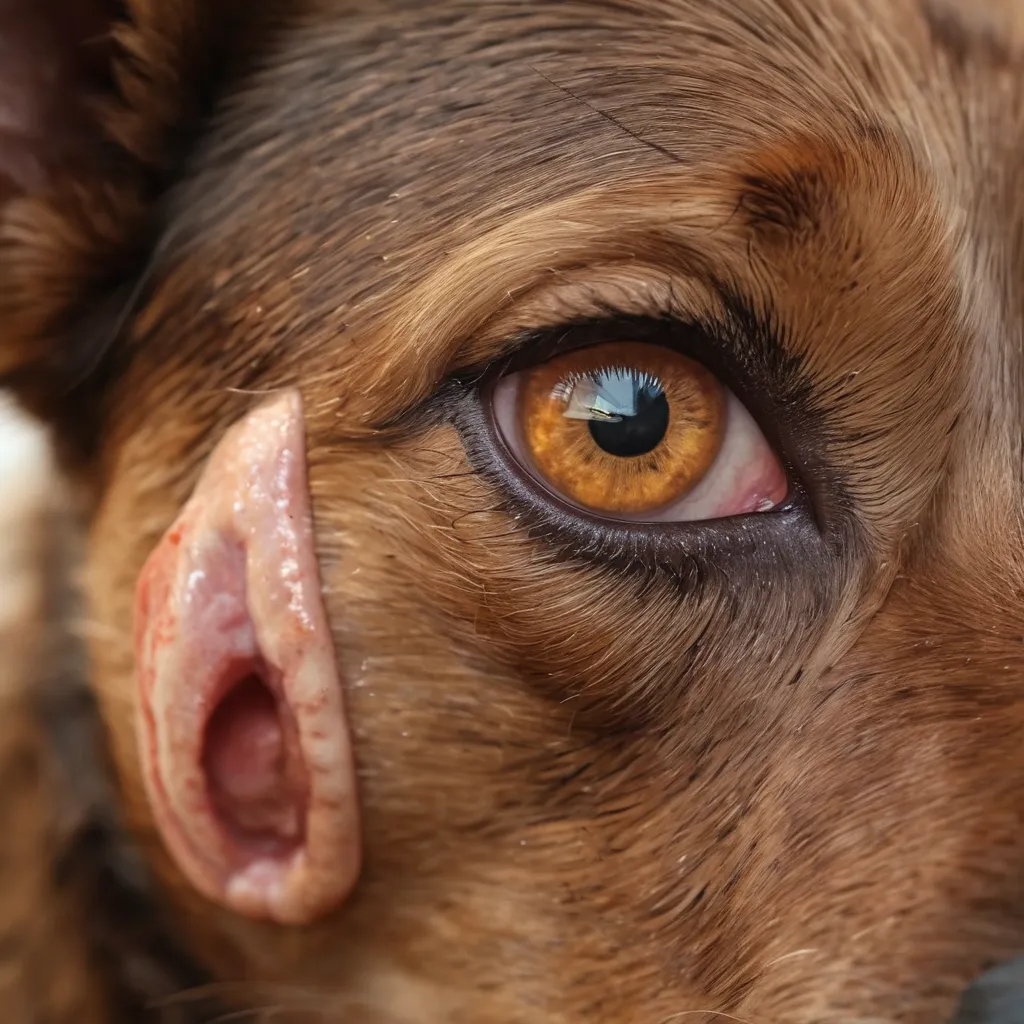
Ear infections in dogs can manifest in different ways, depending on the severity and location of the infection. Some common signs of ear infection in dogs include scratching or pawing at the ear, shaking the head, and whining or whimpering. Your dog may also exhibit signs of pain or discomfort, such as tilting their head to one side or avoiding certain activities. In some cases, you may notice a foul odor or discharge coming from the ear, which can be a sign of a bacterial or yeast infection.

Types of ear infections in dogs
There are three main types of ear infections that can affect dogs: otitis externa, otitis media, and otitis interna. Otitis externa is an infection of the outer ear canal and is the most common type of ear infection in dogs. Otitis media is an infection of the middle ear and can be more serious, as it can lead to complications such as facial paralysis and hearing loss. Otitis interna is an infection of the inner ear and is the most severe type of ear infection, as it can cause balance problems, vomiting, and even seizures.
It's essential to recognize the signs of ear infection in dogs early on, as prompt treatment can help prevent more severe complications from developing. If you notice any of the following signs, it's crucial to take your dog to the vet as soon as possible: redness or swelling of the ear, discharge or odor from the ear, scratching or pawing at the ear, shaking the head, whining or whimpering, and tilting the head to one side.
Diagnosing ear infections in dogs
Diagnosing an ear infection in dogs typically involves a physical examination, medical history, and diagnostic tests. Your vet will start by examining your dog's ear canal and looking for signs of infection, such as redness, swelling, or discharge. They may also use an otoscope to visualize the ear canal and eardrum. In some cases, your vet may take a sample of the discharge or tissue from the ear canal to send to a lab for culture or cytology. This can help determine the underlying cause of the infection and guide treatment.
In addition to a physical examination and diagnostic tests, your vet may also ask you questions about your dog's medical history, such as any previous ear infections, allergies, or health conditions. They may also ask about your dog's symptoms, such as when they started and how severe they are. This information can help your vet determine the best course of treatment for your dog.

Treatment options for ear infections in dogs
Treatment for ear infections in dogs depends on the underlying cause and severity of the infection. In most cases, your vet will prescribe antibiotics or antifungal medications to treat the infection. They may also recommend ear cleaners or drops to help clean the ear canal and reduce inflammation. In some cases, your vet may need to surgically clean the ear canal or remove any debris or foreign objects that may be contributing to the infection.
In addition to medical treatment, there are several things you can do at home to help your dog feel more comfortable and promote healing. These include applying warm compresses to the ear, using ear drops or cleaners as directed by your vet, and avoiding activities that may irritate the ear, such as swimming or bathing. You should also monitor your dog's symptoms closely and report any changes or concerns to your vet.
Preventing ear infections in dogs
While ear infections in dogs can be painful and uncomfortable, there are several things you can do to help prevent them from occurring in the first place. One of the most important things you can do is to keep your dog's ears clean and dry. This can help reduce the risk of bacterial or yeast infections. You should also avoid sticking your fingers or objects into your dog's ear canal, as this can push debris and bacteria further into the ear and cause an infection.
In addition to keeping your dog's ears clean and dry, you should also monitor their overall health and watch for any signs of illness or infection. This includes keeping an eye out for any changes in their appetite, energy level, or behavior, as well as any signs of pain or discomfort. By being proactive and taking steps to prevent ear infections, you can help keep your dog healthy and happy. Regular check-ups with your vet can also help identify any potential issues before they become major problems.
Ear infections in dogs can be a real challenge, but by being aware of the signs and taking prompt action, you can help your furry friend feel better and prevent more severe complications from developing. Remember to always consult with your vet if you have any concerns about your dog's health, and don't hesitate to reach out if you notice any signs of ear infection. With the right treatment and care, your dog can recover from an ear infection and get back to their happy, healthy self in no time.