
As a dog owner, there's nothing worse than discovering that your furry friend has fleas. These tiny, pesky parasites can cause discomfort, allergic reactions, and even transmit diseases to your dog. But how do you know if your dog has fleas in the first place? In this article, we'll explore the common signs that indicate your dog has fleas, and what you can do to get rid of them.
Introduction to Fleas
Fleas are tiny, flat, and parasitic insects that feed on the blood of mammals and birds. They're usually brown or reddish-brown in color and have a distinctive shape, with a hard outer shell and a long, thin body. Fleas are attracted to the warmth and carbon dioxide emitted by animals, which is why they often target dogs and other pets.
 Signs Your Dog Has Fleas Introduction to Fleas" loading="lazy" style="max-width:700px;width:100%;height:auto;border-radius:8px;">
Common Signs of Fleas in Dogs
So, how do you know if your dog has fleas? Here are some common signs to look out for. First, check for excessive scratching or chewing. Dogs with fleas often scratch or chew at their skin to relieve the discomfort caused by the flea bites. You may also notice that your dog is restless, irritable, or anxious, which can be a sign that they're feeling uncomfortable due to the fleas. Another sign is the presence of small, red bumps or lesions on your dog's skin, which can be caused by the flea bites.
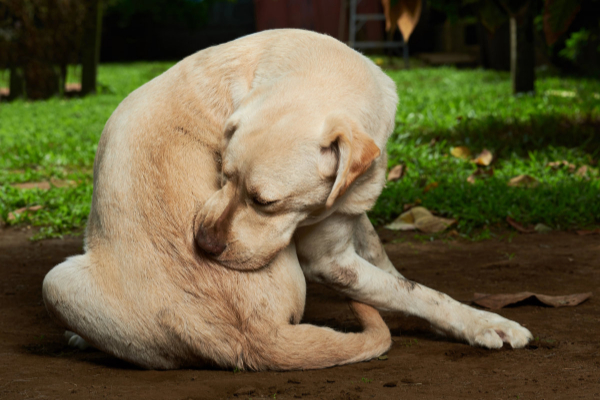
In addition to these signs, you may also notice that your dog is losing hair, particularly around the tail, belly, or groin area. This can be due to the constant scratching and chewing, which can cause hair loss and skin irritation. You may also see tiny, moving specks on your dog's coat, which are usually the fleas themselves. If you part your dog's fur, you may also see flea dirt, which looks like small, dark specks or coffee grounds. This is actually the flea's feces, which can be a sign of a severe infestation.
Flea Allergy Dermatitis
Some dogs can develop an allergy to flea bites, which can lead to a condition known as flea allergy dermatitis. This is a skin disease that causes intense itching, redness, and inflammation, and can be quite painful for your dog. If you notice that your dog is scratching excessively, or has open sores or lesions on their skin, it's possible that they have flea allergy dermatitis.

In this case, it's essential to consult with a veterinarian to get a proper diagnosis and treatment plan. Your vet may prescribe medications to alleviate the itching and inflammation, as well as recommend ways to get rid of the fleas and prevent future infestations. In severe cases, your vet may also recommend a flea preventative medication to help prevent future infestations.
Health Risks Associated with Fleas
Fleas can pose significant health risks to your dog, particularly if left untreated. For example, fleas can transmit diseases such as tapeworms, typhus, and tularemia, which can be serious and even life-threatening. Fleas can also cause anemia, particularly in young or weak dogs, due to the loss of blood from the flea bites.

In addition to these health risks, fleas can also cause significant discomfort and stress to your dog. The constant scratching and chewing can lead to skin irritation, hair loss, and even secondary infections. Furthermore, fleas can also infest your home, laying eggs and larvae in carpets, bedding, and other areas, which can lead to a severe infestation.
How to Get Rid of Fleas
So, how do you get rid of fleas on your dog? The first step is to consult with a veterinarian to get a proper diagnosis and treatment plan. Your vet may recommend a combination of medications, such as flea preventatives, topical treatments, and oral medications, to get rid of the fleas and prevent future infestations.
In addition to these medications, there are also several home remedies and natural treatments that can help get rid of fleas. For example, you can try using a flea comb to remove fleas and their eggs from your dog's coat, or use a natural flea spray or shampoo to repel fleas. You can also try using a desiccant, such as diatomaceous earth, to dehydrate and kill fleas.
It's also essential to treat your home and yard to get rid of fleas. This includes washing your dog's bedding, vacuuming carpets and furniture, and treating your yard with a flea killer. You may also need to treat other pets in the household, as fleas can easily jump from one animal to another.
Preventing Future Infestations
Preventing future infestations is key to keeping your dog healthy and happy. There are several ways to prevent fleas, including using flea preventatives, such as topical treatments or oral medications, on a regular basis. You can also try using a flea repellent, such as a spray or collar, to repel fleas.
In addition to these methods, it's also essential to keep your dog clean and well-groomed. Regular bathing, combing, and trimming can help reduce the risk of flea infestations. You should also keep your home and yard clean, including regular vacuuming and washing of bedding, to reduce the risk of fleas.
Finally, it's essential to be vigilant and monitor your dog regularly for signs of fleas. This includes checking for excessive scratching or chewing, looking for flea dirt or eggs, and monitoring for changes in behavior or appetite. By being proactive and taking steps to prevent fleas, you can help keep your dog healthy and happy, and reduce the risk of flea infestations.

In conclusion, fleas can be a significant problem for dogs, causing discomfort, allergic reactions, and even transmitting diseases. However, by being aware of the common signs of fleas, taking steps to get rid of them, and preventing future infestations, you can help keep your dog healthy and happy. Remember to always consult with a veterinarian if you suspect that your dog has fleas, and to be proactive in monitoring your dog's health and well-being.