
Are you tired of being woken up in the middle of the night by your dog's incessant barking? You're not alone. Many dog owners struggle with this issue, and it can be frustrating and exhausting. But don't worry, there are ways to stop your dog from barking at night. In this article, we'll explore the reasons why dogs bark at night and provide you with some effective tips to help your dog (and you) get a good night's sleep.
Why Do Dogs Bark at Night?
Dogs bark for a variety of reasons, including boredom, anxiety, and alerting you to potential threats. At night, these reasons can be amplified, leading to excessive barking. Some common reasons why dogs bark at night include separation anxiety, noise outside, and medical issues. For example, if your dog is prone to barking at squirrels during the day, they may continue to bark at night if they hear any unusual noises.
 How To Stop Dog Barking at Night Why Do Dogs Bark at Night" loading="lazy" style="max-width:700px;width:100%;height:auto;border-radius:8px;">
Understanding Your Dog's Behavior
To address your dog's nighttime barking, it's essential to understand what's causing it. Is your dog barking due to boredom or loneliness? Or are they barking because they're alerting you to a potential threat? Once you understand the underlying reason, you can develop a plan to address it. For example, if your dog is barking due to separation anxiety, you may need to work on gradually increasing their alone time during the day. If your dog is barking due to noise outside, you may need to block their view or use white noise to mask the sounds.
Environmental Factors
Environmental factors can also play a significant role in your dog's nighttime barking. For example, if your dog is sleeping near a window, they may be more likely to bark at noises outside. Similarly, if your dog is sleeping in a room with a lot of foot traffic, they may be more likely to bark at people walking by. To minimize these distractions, you may want to consider moving your dog's bed to a quieter location or using a white noise machine to block out any sounds.
In addition to environmental factors, your dog's physical and emotional needs can also impact their nighttime barking. For example, if your dog is not getting enough exercise during the day, they may be more likely to bark at night due to excess energy. Similarly, if your dog is experiencing pain or discomfort, they may bark more frequently at night. To address these needs, make sure your dog is getting enough physical and mental stimulation during the day, and consider working with a veterinarian to rule out any underlying medical issues.
Training Your Dog to Stop Barking at Night
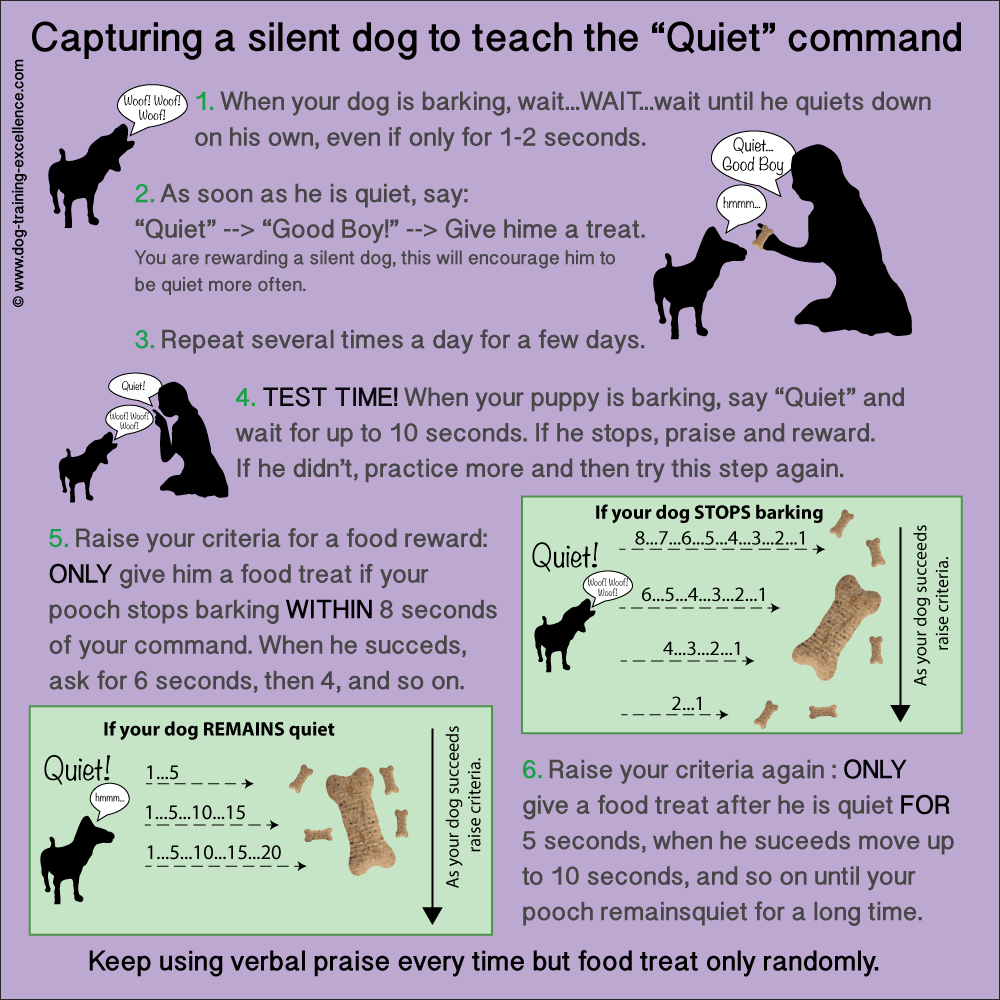
Training your dog to stop barking at night requires patience, consistency, and positive reinforcement. One effective way to train your dog is to use a "quiet" command. When your dog starts barking, say "quiet" and hold a treat in front of their nose. When they stop barking, give them the treat and praise them. Repeat this process until your dog learns the "quiet" command.

Another effective way to train your dog is to use desensitization and counterconditioning. This involves gradually exposing your dog to the stimuli that triggers their barking, while providing a positive association. For example, if your dog barks at noises outside, you can start by playing a recording of the noise at a low volume, while providing treats and praise. Gradually increase the volume over time, until your dog is no longer reacting to the noise.
Using Positive Reinforcement
Positive reinforcement is a powerful tool when it comes to training your dog. By rewarding your dog for good behavior, you can encourage them to repeat that behavior in the future. For example, if your dog is quiet for a period of time, you can reward them with a treat or praise. This positive reinforcement can help your dog learn that being quiet is a desirable behavior.

Consistency is Key
Consistency is essential when it comes to training your dog. Make sure everyone in the household is using the same commands and rewards, and that you're consistent in your training. If you're inconsistent, your dog may become confused and struggle to learn what you want them to do. By being consistent and patient, you can help your dog learn to stop barking at night and develop good habits that will last a lifetime.
In addition to training, there are also some practical steps you can take to reduce your dog's nighttime barking. For example, you can try using a calming aid such as a pheromone diffuser or a calming collar. These products can help to reduce your dog's stress and anxiety, making them less likely to bark at night. You can also try using a dog crate or bed with a canopy to create a cozy, den-like atmosphere that can help your dog feel more secure and relaxed.
Creating a Sleep-Conducive Environment
Creating a sleep-conducive environment is essential for both you and your dog. This means making sure the room is dark, quiet, and at a comfortable temperature. You can also try using a white noise machine or a fan to block out any sounds that may be disturbing your dog. By creating a sleep-conducive environment, you can help your dog relax and reduce the likelihood of nighttime barking.

In conclusion, stopping your dog from barking at night requires patience, consistency, and positive reinforcement. By understanding the underlying reasons for your dog's barking, using effective training techniques, and creating a sleep-conducive environment, you can help your dog learn to stop barking at night and get a good night's sleep. Remember, every dog is different, so it may take some trial and error to find the right approach for your dog. But with persistence and the right techniques, you can help your dog become a quiet and well-behaved companion.