
Are you tired of your dog running off every time you let them out of your sight? Do you want to be able to trust them to stay put, even when distractions are around? Teaching your dog the "stay" command is one of the most important things you can do to establish a strong bond and ensure their safety. In this article, we'll break down the steps to teach your dog the "stay" command easily and effectively.
Introduction to the Stay Command
The "stay" command is a fundamental obedience command that tells your dog to remain in a sitting or lying down position, without getting up or moving, until you release them. It's a command that requires patience, consistency, and positive reinforcement. With practice and persistence, your dog will learn to stay in no time.
 How To Teach Stay Command Easily Introduction to the Stay Command" loading="lazy" style="max-width:700px;width:100%;height:auto;border-radius:8px;">
Preparation is Key
Before you start teaching your dog the "stay" command, make sure you have a few things in place. First, choose a quiet and distraction-free area where your dog can focus on you. You'll also need some tasty treats and a clear, consistent command. It's also essential to have a positive attitude and plenty of patience. Remember, learning takes time, and it's crucial to be calm and composed when teaching your dog.
Next, consider your dog's age, breed, and individual personality. Puppies, for example, may have shorter attention spans and require more frequent breaks, while older dogs may need more time to process and respond to commands. Be aware of your dog's limitations and adjust your training approach accordingly.
Step-by-Step Guide to Teaching the Stay Command
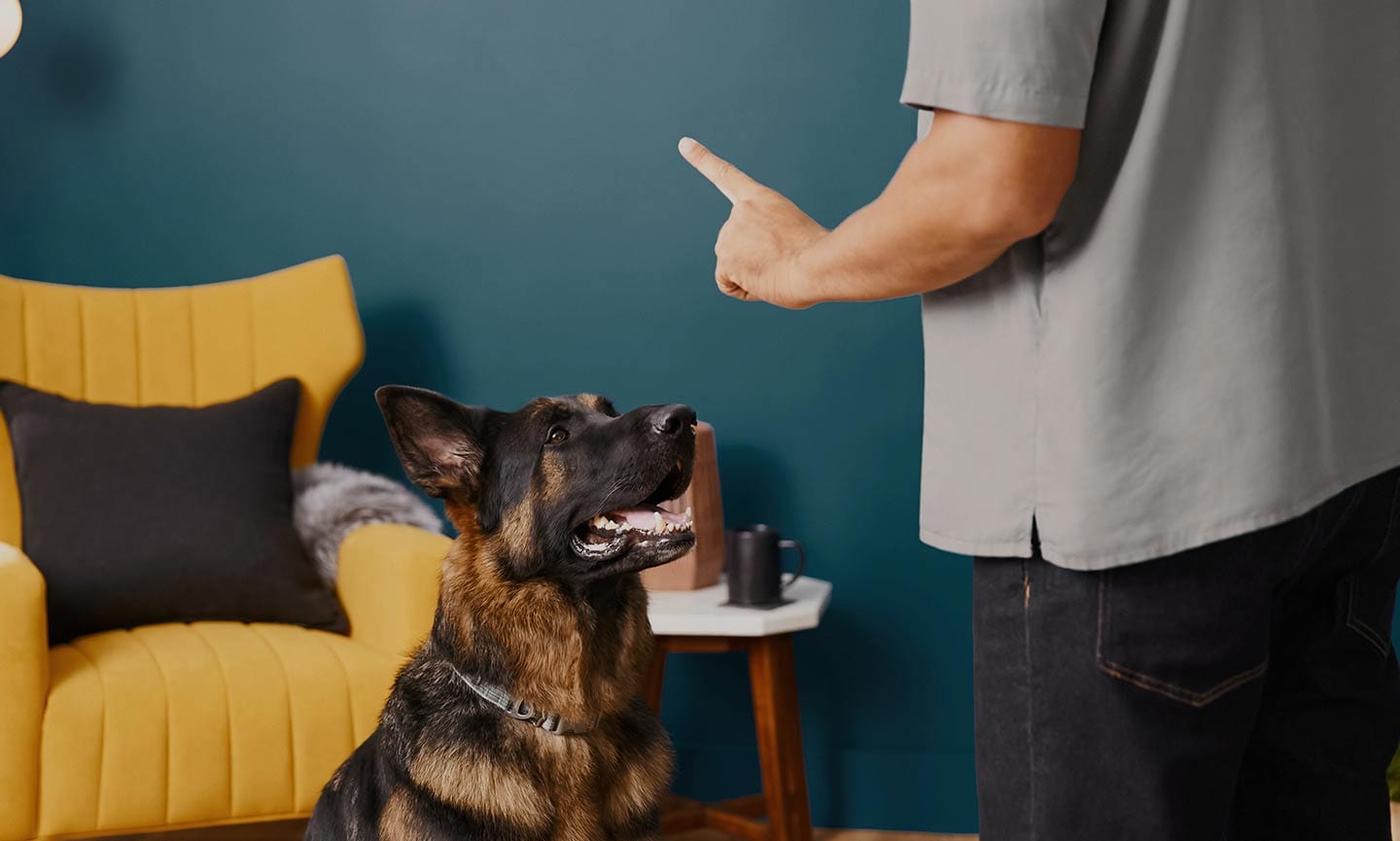
Now that you're ready to start, let's dive into the step-by-step guide to teaching your dog the "stay" command. Begin by having your dog sit or lie down, depending on the position you want them to stay in. Hold a treat in front of their nose and slowly move it upwards and backwards, towards their tail. As they follow the treat with their head, their bottom will lower into a sitting or lying down position.
Once they're in position, take a few steps back and say "stay" in a clear, firm voice. Hold out your hand, palm facing your dog, to help them associate the command with the action. If they get up or move, go back to the beginning and try again. Remember to reward them with treats and praise when they stay in position.

Gradually Increasing Distance and Time
As your dog becomes more comfortable with the "stay" command, it's time to start increasing the distance and time you're away from them. Take a few more steps back, then return to your dog and reward them with treats and praise. Gradually increase the distance and time, always returning to your dog to reward them for staying in position.
Remember to be patient and don't rush the process. If your dog gets up or moves, don't scold or punish them. Instead, go back to the beginning and try again. Consistency and positive reinforcement are key to successful training. With time and practice, your dog will learn to stay in position, even when you're not right next to them.
Common Challenges and Solutions
As you're teaching your dog the "stay" command, you may encounter some common challenges. One of the most significant challenges is distractions, such as other people, dogs, or noises. To overcome this, try training your dog in different locations and environments, with varying levels of distractions.
Another challenge is your dog getting up or moving during training. If this happens, don't worry! Simply go back to the beginning and try again. Remember to reward your dog with treats and praise when they stay in position, and avoid scolding or punishing them for mistakes. With patience and consistency, your dog will learn to stay in no time.
Tips and Variations
To make training more engaging and fun, try incorporating different tips and variations. For example, you can add a "release" command, such as "okay" or "free," to let your dog know they can get up and move around. You can also try training your dog to stay in different positions, such as sitting or lying down, or even on a specific mat or bed.
Additionally, consider incorporating physical and mental stimulation into your training sessions. This can include activities such as agility training, obedience exercises, or even simple games like hide-and-seek. By keeping training fun and engaging, you'll be able to hold your dog's attention and keep them motivated to learn.

Conclusion
Teaching your dog the "stay" command is a rewarding and essential part of dog ownership. With patience, consistency, and positive reinforcement, your dog will learn to stay in no time. Remember to start with short training sessions, gradually increase distance and time, and be patient with your dog as they learn. Don't be afraid to try different tips and variations to keep training fun and engaging, and always reward your dog with treats and praise for good behavior.
By following these steps and tips, you'll be able to establish a strong bond with your dog and ensure their safety and well-being. So why not get started today? With time and practice, you and your dog will be enjoying the many benefits of the "stay" command in no time. [IMAGE]