
Are you ready to teach your furry friend one of the coolest tricks out there? Training your dog to play dead is an impressive skill that's sure to wow friends and family. With patience, consistency, and positive reinforcement, you can help your dog master this fun and entertaining trick. In this article, we'll walk you through a step-by-step guide on how to train your dog to play dead, and provide you with some helpful tips and tricks along the way.
Getting Started
Before you begin training your dog to play dead, it's essential to make sure they have a solid foundation in basic obedience commands. Your dog should be able to sit, stay, and respond to verbal cues before attempting to learn this trick. If your dog is still a puppy or hasn't mastered these basic commands, take some time to work on those skills before moving forward. Once your dog has a good grasp of basic obedience, you can start introducing the concept of playing dead.
 How To Train Dogs to Play Dead Getting Started" loading="lazy" style="max-width:700px;width:100%;height:auto;border-radius:8px;">
Step 1: Introduce the Concept of Playing Dead
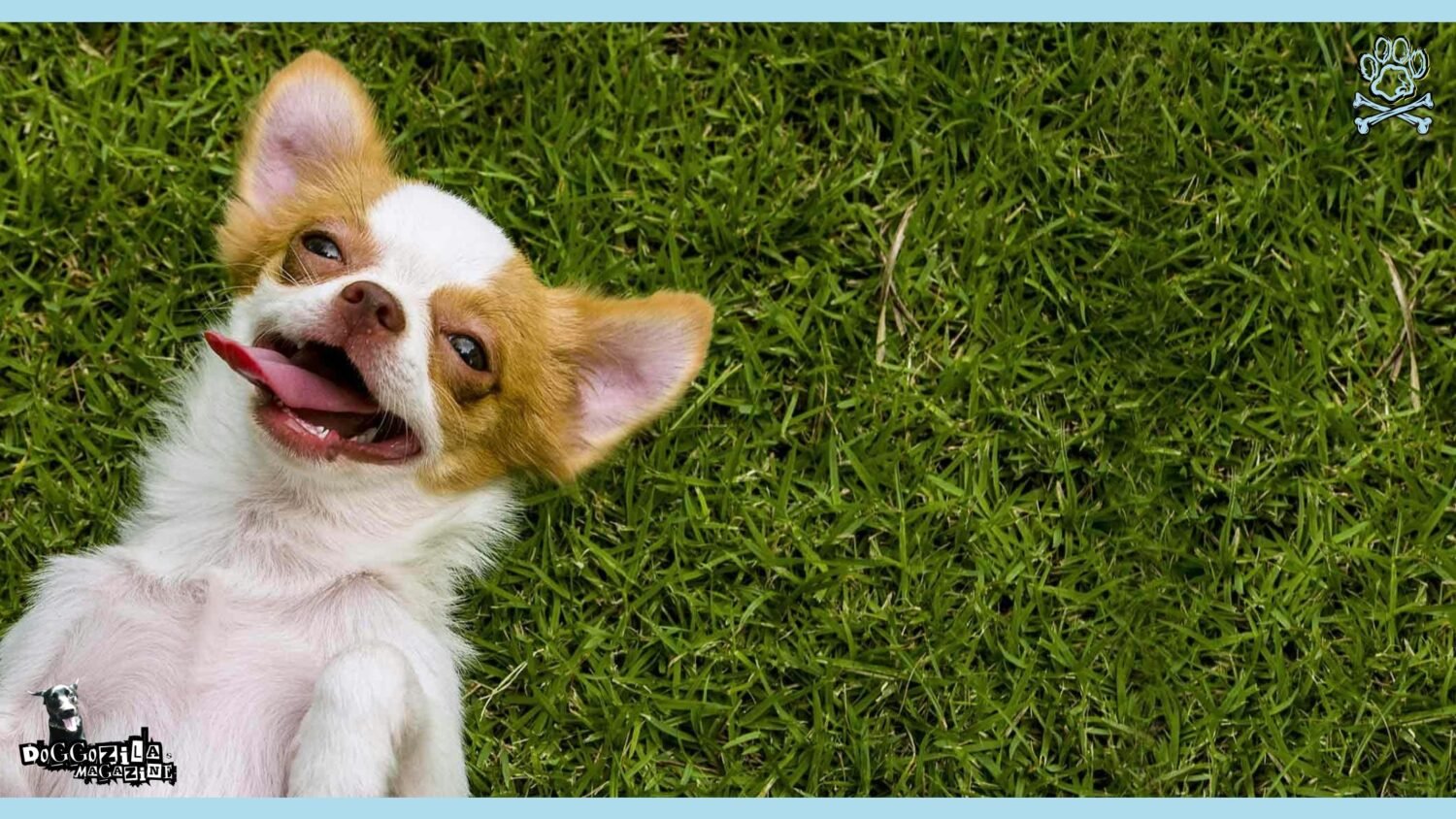
The first step in training your dog to play dead is to introduce the concept of the trick. You can do this by having your dog sit or lie down, then using a treat to lure them into a downward position. As they follow the treat with their nose, they should naturally roll onto their side or back. The moment they do, mark the behavior with a verbal cue, such as "bang" or "play dead," and reward them with the treat. Repeat this process several times, so your dog starts to associate the verbal cue with the action of rolling onto their side or back.
Step 2: Add the Verbal Cue
Now that your dog is starting to get the hang of rolling onto their side or back, it's time to add the verbal cue. Start by having your dog sit or lie down, then say the verbal cue "bang" or "play dead." Immediately after saying the cue, use a treat to lure them into the downward position. As they roll onto their side or back, mark the behavior with a reward and praise. Repeat this process several times, so your dog starts to associate the verbal cue with the action of playing dead.
 How To Train Dogs to Play Dead Tips and Tricks" loading="lazy" style="max-width:700px;width:100%;height:auto;border-radius:8px;">
Adding the "Bang" Gesture
To add an extra element of realism to the trick, you can introduce a "bang" gesture with your hand. This involves making a gun shape with your hand and saying "bang" as you lure your dog into the downward position. As you do this, make sure to reward your dog with a treat and praise, so they associate the gesture with the action of playing dead. You can also start to phase out the treats, using the verbal cue and gesture alone to trigger the behavior.
Step 3: Practice, Practice, Practice
Now that your dog has a good understanding of the verbal cue and gesture, it's time to practice the trick in different contexts. Start by practicing in a quiet room with minimal distractions, then gradually increase the difficulty by adding more distractions, such as other people, dogs, or noises. As you practice, make sure to reward your dog with treats and praise, so they stay motivated and focused. You can also start to add some variety to the trick, such as having your dog play dead on different surfaces or in different positions.

Tips and Tricks
Here are some additional tips and tricks to help you train your dog to play dead:
Be patient and consistent: Training a dog to play dead takes time and patience, so don't get discouraged if your dog doesn't pick it up right away. Stick to a consistent training schedule, and reward your dog with treats and praise when they perform the trick correctly.
Use positive reinforcement: Positive reinforcement is key when training a dog to play dead. Reward your dog with treats, praise, and affection when they perform the trick correctly, and avoid punishing or scolding them when they make mistakes.
Make it fun: Training a dog to play dead should be a fun and enjoyable experience for both you and your dog. Keep the training sessions short and fun, and end on a positive note while your dog is still engaged and motivated.
Common Challenges
Here are some common challenges you may encounter when training your dog to play dead, along with some tips for overcoming them:
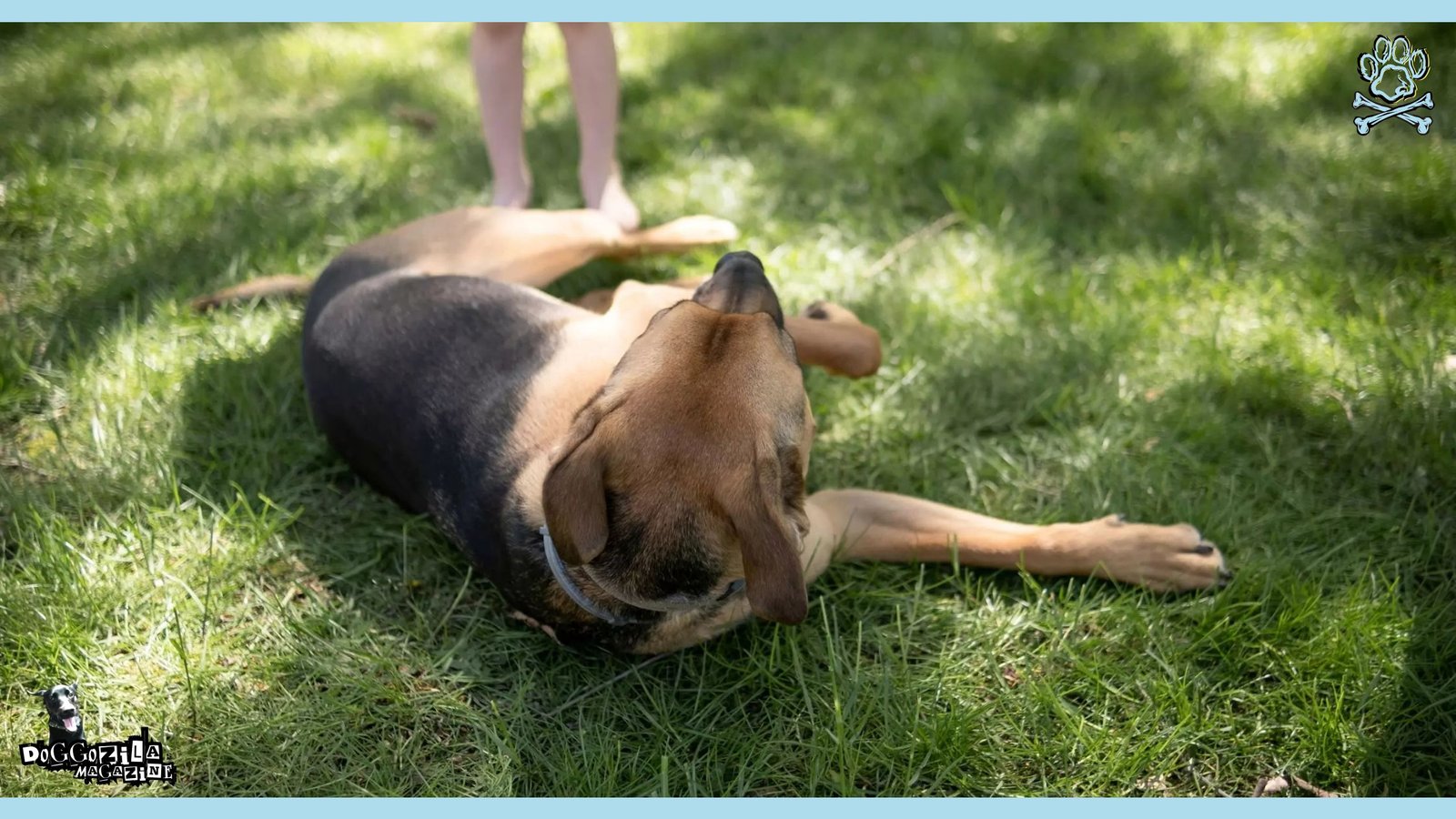
My dog doesn't want to roll onto their side or back: If your dog is hesitant to roll onto their side or back, try using a treat to lure them into the downward position. You can also try placing a treat on the ground near their nose, then slowly moving it towards their side or back.
My dog gets up too quickly: If your dog gets up too quickly after playing dead, try adding a "stay" command to the trick. This will help them learn to remain in the downward position for a longer period.
My dog doesn't respond to the verbal cue: If your dog doesn't respond to the verbal cue, try saying it in a clearer and more consistent tone. You can also try adding a hand gesture or visual cue to help them associate the command with the action.
Conclusion
Training your dog to play dead is a fun and rewarding experience that can strengthen your bond and impress your friends and family. With patience, consistency, and positive reinforcement, you can help your dog master this cool and entertaining trick. Remember to start with basic obedience commands, introduce the concept of playing dead, and gradually add the verbal cue and gesture. Don't be afraid to try new things and make mistakes – with time and practice, you and your dog can become a dynamic duo and wow the crowds with your impressive tricks.