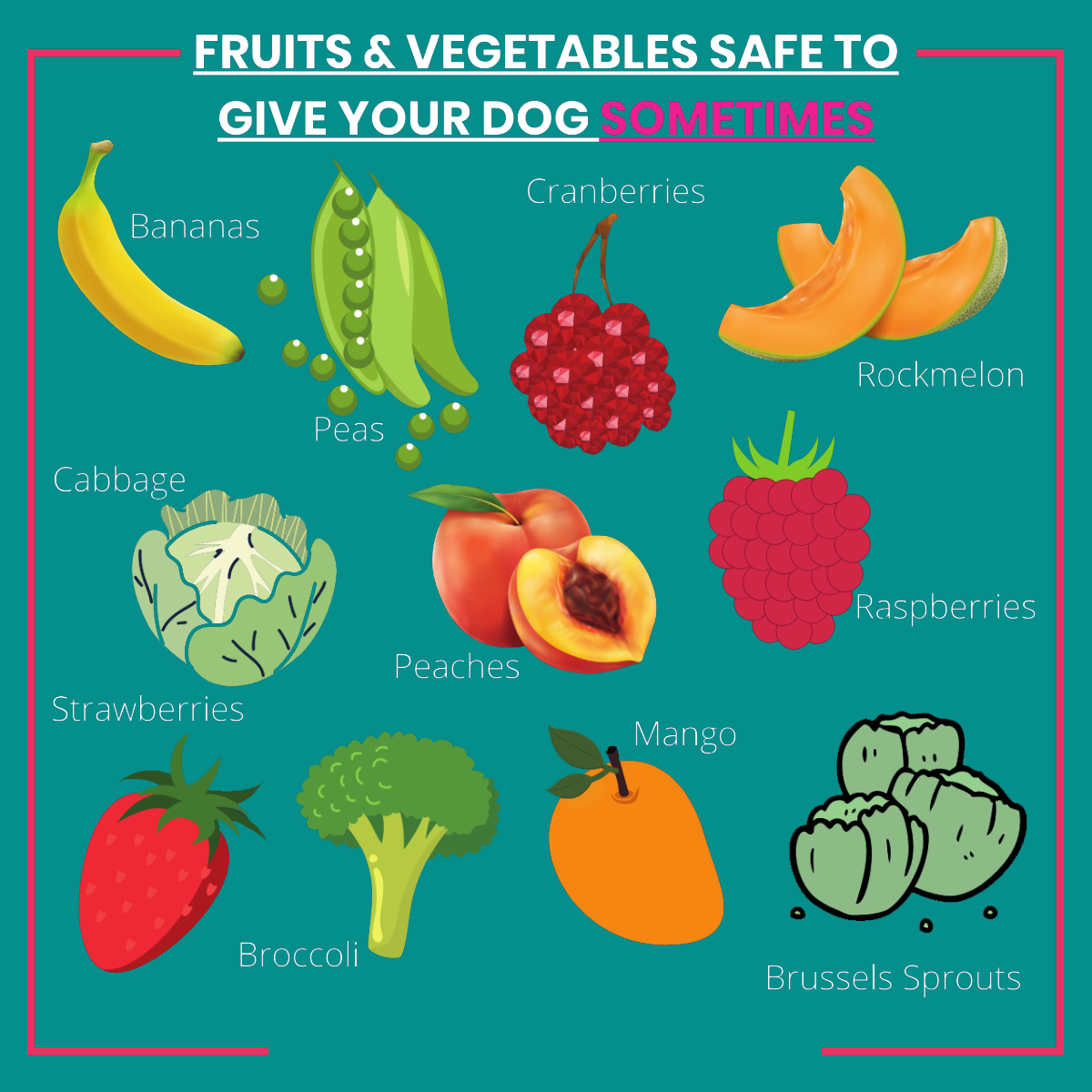
As a dog owner, it's natural to want to share your favorite foods with your furry friend. But before you do, it's essential to make sure that the food you're sharing is safe for your dog to eat. One fruit that's often questioned is kiwi. Can dogs eat kiwi fruit? In this article, we'll delve into the world of canine nutrition and explore the answer to this question. We'll also discuss the benefits and risks of feeding kiwi to your dog, as well as provide some helpful tips on how to incorporate this fruit into your dog's diet.
Introduction to Kiwi Fruit
Kiwi fruit, also known as Chinese gooseberry, is a small, furry fruit native to China. It's packed with nutrients, including vitamins C and K, potassium, and fiber. Kiwi is also low in calories and has a high water content, making it a great snack for humans. But what about dogs? Can they enjoy the same benefits from eating kiwi? To answer this question, let's first take a look at the nutritional content of kiwi fruit.

Nutritional Content of Kiwi Fruit
Kiwi fruit is a nutrient-dense food, meaning it provides a high amount of essential vitamins and minerals while being low in calories. One medium-sized kiwi fruit contains about 46 calories, 1 gram of protein, and 2 grams of fiber. It's also rich in antioxidants, including vitamin C and polyphenols, which can help protect against cell damage and reduce inflammation. But while kiwi is a healthy food for humans, its nutritional content may not be suitable for dogs. For example, dogs have different vitamin and mineral requirements than humans, and their digestive systems are designed to process different types of food.
Can Dogs Eat Kiwi Fruit?
So, can dogs eat kiwi fruit? The short answer is yes, but in moderation. Kiwi fruit is not toxic to dogs, and it can be a healthy addition to their diet when given in small amounts. However, it's essential to remove the skin and seeds before feeding kiwi to your dog, as they can cause digestive problems. The skin of the kiwi fruit can be difficult for dogs to digest, and the seeds can get stuck in their throat or intestines.

It's also important to note that some dogs may be allergic to kiwi, so it's crucial to monitor your dog's behavior and health after introducing kiwi into their diet. If you notice any signs of an allergic reaction, such as vomiting, diarrhea, or itching, you should stop feeding kiwi to your dog immediately and consult with your veterinarian. Additionally, dogs with certain health conditions, such as kidney disease or diabetes, may need to avoid kiwi due to its high sugar and potassium content.
Benefits of Feeding Kiwi to Dogs
While kiwi fruit is not a necessary part of a dog's diet, it can provide some benefits when given in moderation. The high vitamin C content in kiwi can help boost your dog's immune system, reducing the risk of illness and infection. Kiwi is also rich in fiber, which can help support healthy digestion and prevent constipation. Furthermore, the antioxidants in kiwi can help reduce inflammation and improve your dog's overall health.
Another benefit of feeding kiwi to dogs is that it can help support healthy skin and coat. The vitamin C and other nutrients in kiwi can help promote the production of collagen, which is essential for maintaining healthy skin and fur. Additionally, the omega-3 fatty acids in kiwi can help reduce inflammation and improve the overall health of your dog's skin and coat. However, it's essential to remember that kiwi should not be used as a replacement for a balanced and nutritious dog food.
Risks of Feeding Kiwi to Dogs
While kiwi fruit can be a healthy addition to your dog's diet, there are some risks to consider. One of the main risks is the potential for an allergic reaction, as mentioned earlier. Some dogs may be allergic to kiwi, and feeding it to them can cause a range of symptoms, from mild discomfort to life-threatening anaphylaxis. It's essential to monitor your dog's behavior and health after introducing kiwi into their diet and to seek veterinary attention if you notice any signs of an allergic reaction.
Another risk of feeding kiwi to dogs is the potential for digestive problems. The skin and seeds of the kiwi fruit can be difficult for dogs to digest, and eating them can cause vomiting, diarrhea, and other gastrointestinal symptoms. Additionally, feeding too much kiwi to your dog can cause an imbalance of nutrients in their diet, leading to a range of health problems. For example, the high sugar content in kiwi can contribute to obesity and other health issues if fed in excess.

How to Feed Kiwi to Your Dog
If you want to feed kiwi to your dog, it's essential to do so in moderation and as part of a balanced diet. Here are some tips to help you incorporate kiwi into your dog's diet safely and healthily. First, remove the skin and seeds from the kiwi fruit, as they can cause digestive problems. You can then slice the kiwi into small pieces or puree it in a blender to make it easier for your dog to eat.
It's also essential to introduce kiwi into your dog's diet slowly and in small amounts to prevent digestive upset. Start by giving your dog a small piece of kiwi, about 1-2 teaspoons, and monitor their behavior and health for any signs of an allergic reaction or digestive problems. If your dog tolerates the kiwi well, you can gradually increase the amount over time. However, it's essential to remember that kiwi should not make up more than 10% of your dog's daily calorie intake.
Finally, it's crucial to choose ripe kiwi fruit, as unripe kiwi can be bitter and cause digestive problems. You can tell if a kiwi is ripe by gently squeezing it; a ripe kiwi will be slightly soft to the touch. You can also store kiwi fruit in the refrigerator to keep it fresh for longer. By following these tips, you can help ensure that your dog enjoys the benefits of kiwi fruit while minimizing the risks.

Conclusion
In conclusion, kiwi fruit can be a healthy and nutritious addition to your dog's diet when given in moderation. The high vitamin C content, fiber, and antioxidants in kiwi can help support healthy digestion, boost the immune system, and reduce inflammation. However, it's essential to remember that kiwi should not be used as a replacement for a balanced and nutritious dog food, and it's crucial to introduce it into your dog's diet slowly and in small amounts to prevent digestive upset.
By following the tips and guidelines outlined in this article, you can help ensure that your dog enjoys the benefits of kiwi fruit while minimizing the risks. Remember to always consult with your veterinarian before making any changes to your dog's diet, especially if they have a pre-existing medical condition or allergy. With a little creativity and patience, you can help your dog live a happy, healthy, and balanced life, and kiwi fruit can be a fun and nutritious addition to their diet. [IMAGE]