Are you tired of chasing after your dog every time they manage to slip out of the yard? Do you worry about their safety and the potential risks they might face when they're on the loose? Training your dog to stay in the yard is not only a matter of convenience, but it's also crucial for their well-being and your peace of mind. In this article, we'll explore the most effective ways to train your dog to stay in the yard, and we'll discuss some useful tips and tricks to help you achieve this goal.
Understanding Why Dogs Escape
Before we dive into the training process, it's essential to understand why dogs escape in the first place. Some dogs might be motivated by curiosity, boredom, or the desire to explore their surroundings. Others might be driven by instinct, such as chasing squirrels or following their nose. In some cases, dogs might escape due to lack of exercise, inadequate training, or insufficient supervision. By understanding the underlying reasons for your dog's behavior, you can develop a more effective training plan that addresses their specific needs and motivations.
 How To Train Dogs to Stay in Yard Understanding Why Dogs Escape" loading="lazy" style="max-width:700px;width:100%;height:auto;border-radius:8px;">
Assessing Your Yard
Once you've identified the reasons behind your dog's escape attempts, it's time to assess your yard and identify potential weaknesses. Take a walk around the perimeter of your yard and look for any gaps, holes, or areas where your dog might be able to squeeze through. Check for loose boards, broken fences, or overhanging branches that could provide a route for escape. Make a note of any areas that need repair or reinforcement, and prioritize them based on the level of risk they pose.
It's also essential to consider the layout of your yard and how it might impact your dog's behavior. For example, if your yard is surrounded by tall trees or has a lot of hiding spots, it might be more challenging to keep an eye on your dog. Similarly, if your yard is adjacent to a busy street or a park, you'll need to take extra precautions to ensure your dog's safety.
Training Your Dog to Stay in the Yard
Now that you've assessed your yard and identified potential weaknesses, it's time to start training your dog to stay in the yard. The first step is to establish a clear boundary and communicate it to your dog. You can do this by walking your dog around the perimeter of the yard and rewarding them with treats and praise when they stay within the designated area.
Next, you'll need to teach your dog the "stay" command, which is a fundamental obedience command that can help you keep your dog safe. Start by having your dog sit or lie down, then take a few steps back and say "stay" in a calm, clear voice. If your dog gets up or tries to follow you, go back to the beginning and try again. Gradually increase the distance and duration of the stay, rewarding your dog with treats and praise for their good behavior.
 To Train Dogs to Stay in Yard Using Positive Reinforcement" loading="lazy" style="max-width:700px;width:100%;height:auto;border-radius:8px;">
Using Positive Reinforcement
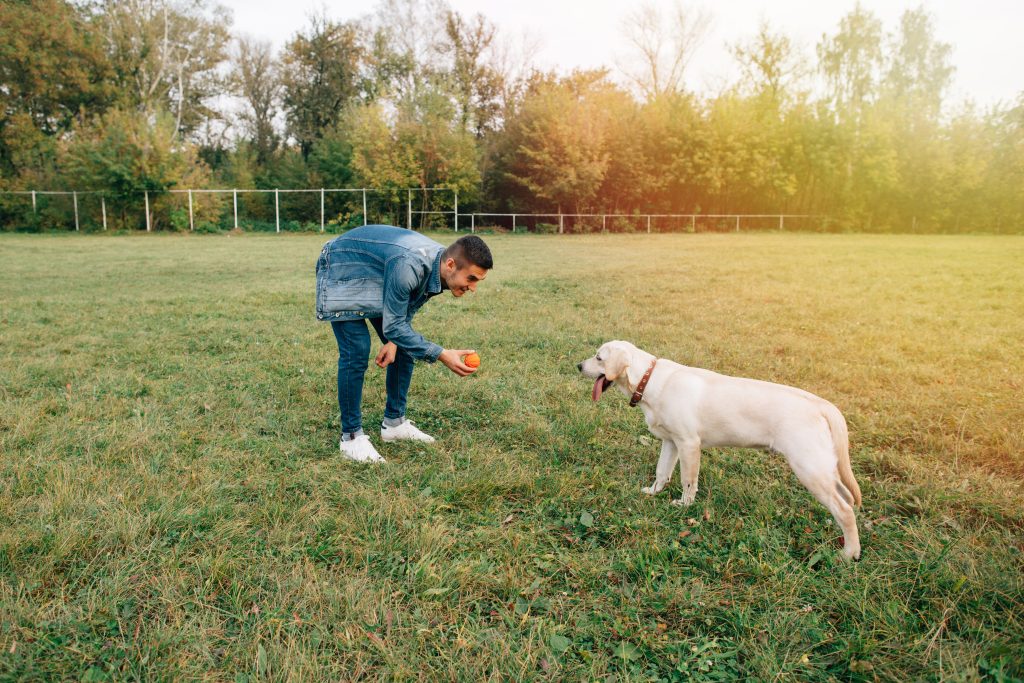
Positive reinforcement is a powerful training tool that can help you encourage good behavior in your dog. By rewarding your dog with treats, praise, and affection when they stay in the yard, you can create a positive association with the behavior and motivate them to repeat it. Be sure to use high-value rewards, such as tasty treats or exciting toys, to make the experience more enjoyable and engaging for your dog.
It's also essential to be consistent and patient when training your dog. Avoid punishment or negative reinforcement, as this can create anxiety and fear in your dog and undermine the training process. Instead, focus on rewarding good behavior and providing a safe, supportive environment that encourages your dog to learn and grow.
Managing Escape Attempts
Despite your best efforts, there may be times when your dog manages to escape from the yard. If this happens, it's essential to stay calm and respond quickly to minimize the risk of injury or harm. Start by calling your dog's name and using a recall command, such as "come" or here.If your dog is within earshot, they should respond to the command and return to you immediately.
If your dog is not within earshot, or if they're not responding to the recall command, you'll need to take more drastic action. This might involve chasing after your dog, using a whistle or other noise-making device to get their attention, or seeking the help of a neighbor or family member. In extreme cases, you may need to contact local animal control or a professional dog catcher to assist with the retrieval of your dog.
:max_bytes(150000):strip_icc()/training-with-dog-168324716-5830b7543df78c6f6aabb91f.jpg) How To Train Dogs to Stay in Yard Conclusion" loading="lazy" style="max-width:700px;width:100%;height:auto;border-radius:8px;">
Preventing Future Escape Attempts
Once you've retrieved your dog and returned them to the safety of your yard, it's essential to take steps to prevent future escape attempts. This might involve repairing any damage to the fence or yard, increasing supervision and monitoring, or providing additional training and exercise to keep your dog happy and engaged.
It's also a good idea to consider investing in some additional safety measures, such as a wireless fence or a GPS tracking device. These tools can provide an extra layer of protection and help you keep tabs on your dog's whereabouts, even when you're not directly supervising them.
In addition to these measures, you should also consider providing your dog with plenty of physical and mental stimulation. This might involve increasing the frequency or duration of walks, providing puzzle toys and interactive games, or engaging your dog in obedience training or other activities that challenge their mind and body.
Conclusion
Training your dog to stay in the yard requires patience, persistence, and a clear understanding of your dog's needs and motivations. By assessing your yard, establishing a clear boundary, and using positive reinforcement techniques, you can encourage good behavior and keep your dog safe. Remember to stay calm and respond quickly in the event of an escape attempt, and take steps to prevent future incidents by addressing any underlying issues and providing additional training and exercise.

With time, effort, and the right approach, you can help your dog become a happy, well-behaved member of your family, and enjoy the peace of mind that comes with knowing they're safe and secure in your yard. So why not get started today, and take the first step towards a more harmonious and enjoyable relationship with your dog?