
Welcoming a new puppy into your family can be a thrilling experience, but it also comes with its fair share of challenges. One of the most significant hurdles you'll face is housebreaking your puppy, and a crucial part of this process is training them to walk outside. In this article, we'll delve into the world of puppy training and provide you with a comprehensive guide on how to train your puppy to walk outside.
Understanding Your Puppy's Needs
Before you start training your puppy, it's essential to understand their needs and behavior. Puppies have small bladders and can't hold their urine for extended periods. They also have a natural instinct to eliminate in areas where they smell their mother's or other dogs' scents. As a responsible dog owner, it's your job to teach your puppy to walk outside and do their business in a designated area.

To begin with, you'll need to establish a routine that works for both you and your puppy. This includes taking them outside to the same spot at the same time every day, such as first thing in the morning, after meals, and before bedtime. Consistency is key when it comes to housebreaking, and sticking to a routine will help your puppy learn faster. You'll also need to keep an eye on your puppy's body language, as they'll often sniff and circle before they go to the bathroom.
Choosing the Right Equipment
When it comes to training your puppy to walk outside, you'll need a few essential pieces of equipment. The first and most crucial item is a leash. Choose a leash that's comfortable for your puppy to wear and easy for you to handle. You'll also need to invest in a collar, ID tags, and a harness. The harness is especially important, as it can help prevent your puppy from pulling on the leash and make walks more enjoyable for both of you.

In addition to the leash and harness, you may also want to consider investing in puppy pads or a bell. Puppy pads can be a useful tool for housetraining, as they provide a designated area for your puppy to go to the bathroom indoors. The bell, on the other hand, can be a helpful way to communicate with your puppy and let them know it's time to go outside. By ringing the bell, your puppy will learn to associate the sound with the act of going to the bathroom, making it easier for them to let you know when they need to go.
Training Your Puppy to Walk on a Leash
Once you have the right equipment, it's time to start training your puppy to walk on a leash. This can be a challenging process, but with patience and consistency, your puppy will learn to walk by your side in no time. Start by letting your puppy get used to wearing the harness and leash in the house. Allow them to walk around and get comfortable with the feeling of the leash before taking them outside.
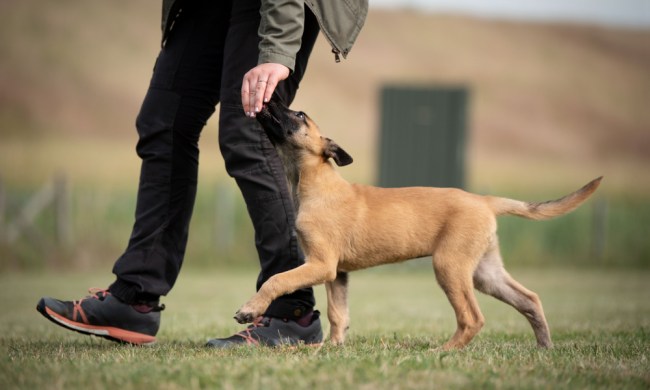
When you're ready to take your puppy outside, begin by standing still and letting them get used to the sights and sounds of the outdoors. Gradually start moving forward, rewarding your puppy with treats and praise for walking by your side. It's essential to keep the leash loose, as pulling on the leash can create negative associations and make the training process more difficult. As you walk, be sure to give your puppy plenty of opportunities to go to the bathroom, and reward them with treats and praise when they do.
Dealing with Accidents
Despite your best efforts, accidents will happen. It's essential to remember that housebreaking is a process, and it may take some time for your puppy to learn. If your puppy has an accident in the house, don't scold or punish them. Instead, clean up the area thoroughly with a pet-safe cleaner to remove any remaining scent that might attract your puppy to the same spot again.

It's also important to watch for signs that your puppy needs to go to the bathroom, such as sniffing or circling. If you see your puppy exhibiting these behaviors, quickly take them to the designated potty area. By being proactive and taking your puppy outside regularly, you can reduce the number of accidents and help your puppy learn faster. Remember, patience and consistency are key when it comes to housebreaking, so don't get discouraged if you encounter setbacks along the way.
Tips and Tricks for Successful Housebreaking
In addition to establishing a routine and using the right equipment, there are several tips and tricks you can use to make the housebreaking process easier. One of the most effective methods is to use positive reinforcement, such as treats and praise, to reward your puppy for good behavior. You can also use crate training to help with housetraining, as it provides a safe and comfortable space for your puppy to relax and reduces the risk of accidents.
Another useful tip is to keep an eye on the weather. If it's raining or cold outside, your puppy may be less inclined to go to the bathroom. In these situations, you can try using puppy pads or a covered potty area to make the experience more comfortable for your puppy. You can also use a variety of commands, such as "go potty" or "do your business," to help your puppy associate the act of going to the bathroom with the command.
Common Mistakes to Avoid
When it comes to housebreaking, there are several common mistakes that can hinder the training process. One of the most significant errors is punishing your puppy for accidents. This can create negative associations and make your puppy fearful of going to the bathroom in front of you. Instead, focus on rewarding good behavior and providing a positive, supportive environment for your puppy to learn.
Another mistake is not providing enough opportunities for your puppy to go to the bathroom. Puppies have small bladders and can't hold their urine for extended periods, so it's essential to take them outside regularly. You should also avoid using ammonia-based cleaners, as they can attract your puppy to the same spot again. By avoiding these common mistakes and following the tips and tricks outlined in this article, you can help your puppy learn to walk outside and become a well-behaved, well-trained member of your family.
Conclusion
Training a puppy to walk outside requires patience, consistency, and positive reinforcement. By establishing a routine, using the right equipment, and avoiding common mistakes, you can help your puppy learn to go to the bathroom outside and become a well-behaved member of your family. Remember to stay calm and patient, even when accidents happen, and to reward good behavior with treats and praise. With time and effort, your puppy will learn to walk outside and become a loyal, loving companion.
