
As a poodle owner, one of the most important things you can do for your furry friend is to provide them with a well-balanced diet that meets their nutritional needs. But what does that mean, exactly? The truth is, poodles have different dietary requirements at different stages of their lives, and it's crucial to understand these needs to ensure your poodle stays healthy and happy. In this article, we'll take a closer look at the poodle feeding guide by age, so you can make informed decisions about your poodle's diet.
Introduction to Poodle Nutrition
Poodles are known for their intelligence, athleticism, and beautiful coats, but they can be prone to certain health issues if their dietary needs aren't met. A well-balanced diet that includes the right mix of protein, fat, carbohydrates, vitamins, and minerals is essential for maintaining your poodle's overall health. But what makes a poodle's nutritional needs so unique? For starters, poodles are highly energetic dogs that require a diet rich in protein to support their muscle growth and maintenance. They also require a balanced mix of fatty acids to keep their coats healthy and shiny.
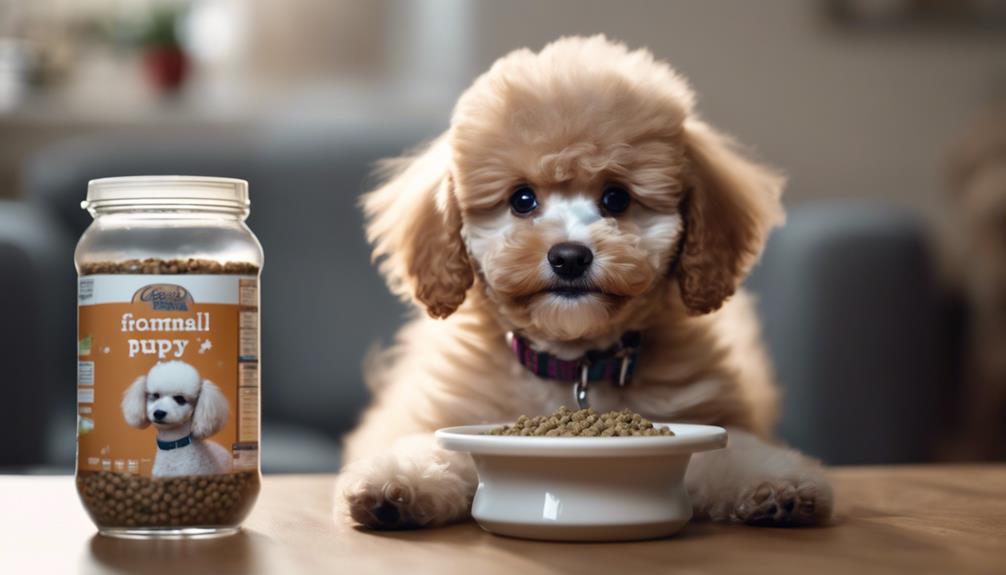 Feeding Guide by Age Introduction to Poodle Nutrition" loading="lazy" style="max-width:700px;width:100%;height:auto;border-radius:8px;">
In addition to protein and fat, poodles also require a range of essential vitamins and minerals, including vitamin D, calcium, and phosphorus. These nutrients are crucial for maintaining strong bones and teeth, as well as supporting healthy digestion and immune function. As your poodle grows and develops, their nutritional needs will change, which is why it's so important to understand the poodle feeding guide by age.
Poodle Feeding Guide by Age: Puppyhood (0-12 months)
The first year of a poodle's life is a critical period of growth and development, and their dietary needs are unique during this time. Poodle puppies require a diet rich in protein and fat to support their rapid growth and development. They also require a balanced mix of vitamins and minerals to support healthy bone growth and immune function. As a general rule, poodle puppies should be fed a high-quality puppy food that contains at least 25% protein and 15% fat.

It's also important to note that poodle puppies have small stomachs and high energy needs, so they require frequent, nutrient-dense meals to support their growth and development. As a general rule, poodle puppies should be fed 3-4 times per day until they reach about six months of age, at which point they can be switched to twice daily feedings. It's also important to monitor your poodle puppy's weight and adjust their food intake accordingly to prevent overfeeding or underfeeding.
Feeding Tips for Poodle Puppies
When it comes to feeding your poodle puppy, there are a few things to keep in mind. First, make sure to choose a high-quality puppy food that meets your poodle's nutritional needs. Look for a food that contains named protein sources, such as chicken or salmon, and avoid fillers and by-products. You should also introduce new foods gradually to prevent digestive upset, and monitor your poodle's stool quality and overall health to ensure they're thriving on their current diet.

In addition to providing a well-balanced diet, it's also important to establish good feeding habits from an early age. This includes setting a regular feeding schedule, providing plenty of fresh water, and avoiding overfeeding or underfeeding. By establishing good feeding habits and providing a well-balanced diet, you can help set your poodle puppy up for a lifetime of health and happiness.
Poodle Feeding Guide by Age: Adolescence (1-2 years)
As your poodle puppy grows into adolescence, their dietary needs will begin to change. During this stage, poodles require a diet that supports their continued growth and development, as well as their increasing energy needs. As a general rule, adolescent poodles should be fed a high-quality dog food that contains at least 20% protein and 10% fat.

It's also important to note that adolescent poodles are prone to certain health issues, such as hip dysplasia and eye problems, which can be influenced by their diet. A well-balanced diet that includes the right mix of vitamins and minerals can help support healthy joint and eye function, reducing the risk of these health issues. As your poodle grows and matures, it's also important to monitor their weight and adjust their food intake accordingly to prevent overfeeding or underfeeding.
Poodle Feeding Guide by Age: Adulthood (2-7 years)
Once your poodle reaches adulthood, their dietary needs will stabilize, and they'll require a maintenance diet that supports their overall health and well-being. As a general rule, adult poodles should be fed a high-quality dog food that contains at least 18% protein and 8% fat. They also require a balanced mix of vitamins and minerals to support healthy digestion, immune function, and coat health.

It's also important to note that adult poodles are prone to certain health issues, such as obesity and dental problems, which can be influenced by their diet. A well-balanced diet that includes the right mix of nutrients can help support healthy weight management and reduce the risk of these health issues. As your poodle grows and matures, it's also important to monitor their health and adjust their diet accordingly to ensure they're receiving the nutrients they need to thrive.
Feeding Tips for Adult Poodles
When it comes to feeding your adult poodle, there are a few things to keep in mind. First, make sure to choose a high-quality dog food that meets your poodle's nutritional needs. Look for a food that contains named protein sources, such as chicken or salmon, and avoid fillers and by-products. You should also monitor your poodle's weight and adjust their food intake accordingly to prevent overfeeding or underfeeding.
In addition to providing a well-balanced diet, it's also important to establish good feeding habits and provide plenty of fresh water. You should also consider adding supplements to your poodle's diet, such as omega-3 fatty acids or joint supplements, to support their overall health and well-being. By providing a well-balanced diet and establishing good feeding habits, you can help your adult poodle thrive and enjoy a long, healthy life.
Poodle Feeding Guide by Age: Seniorhood (8+ years)
As your poodle grows into seniorhood, their dietary needs will change once again. Senior poodles require a diet that supports their overall health and well-being, as well as their changing energy needs. As a general rule, senior poodles should be fed a high-quality senior dog food that contains at least 15% protein and 6% fat.
[IMAGE]
It's also important to note that senior poodles are prone to certain health issues, such as arthritis and cognitive decline, which can be influenced by their diet. A well-balanced diet that includes the right mix of nutrients can help support healthy joint function and reduce the risk of these health issues. As your poodle grows and matures, it's also important to monitor their health and adjust their diet accordingly to ensure they're receiving the nutrients they need to thrive.
In conclusion, the poodle feeding guide by age is an essential resource for any poodle owner. By understanding the unique nutritional needs of your poodle at different stages of their life, you can provide them with a well-balanced diet that supports their overall health and well-being. Whether you're bringing home a new poodle puppy or caring for a senior poodle, a well-balanced diet is the key to a happy, healthy life. So why not start today, and give your poodle the gift of a well-balanced diet?