As a dog owner, it's essential to keep an eye on your furry friend's overall health, including their nails. Broken nails in dogs can be a painful and potentially serious issue if left untreated. In this article, we'll explore the signs of broken nails in dogs, what causes them, and how to prevent and treat this common problem. Whether you're a seasoned dog owner or a newcomer to the world of canine care, it's crucial to understand the importance of monitoring your dog's nail health.
What are Broken Nails in Dogs?
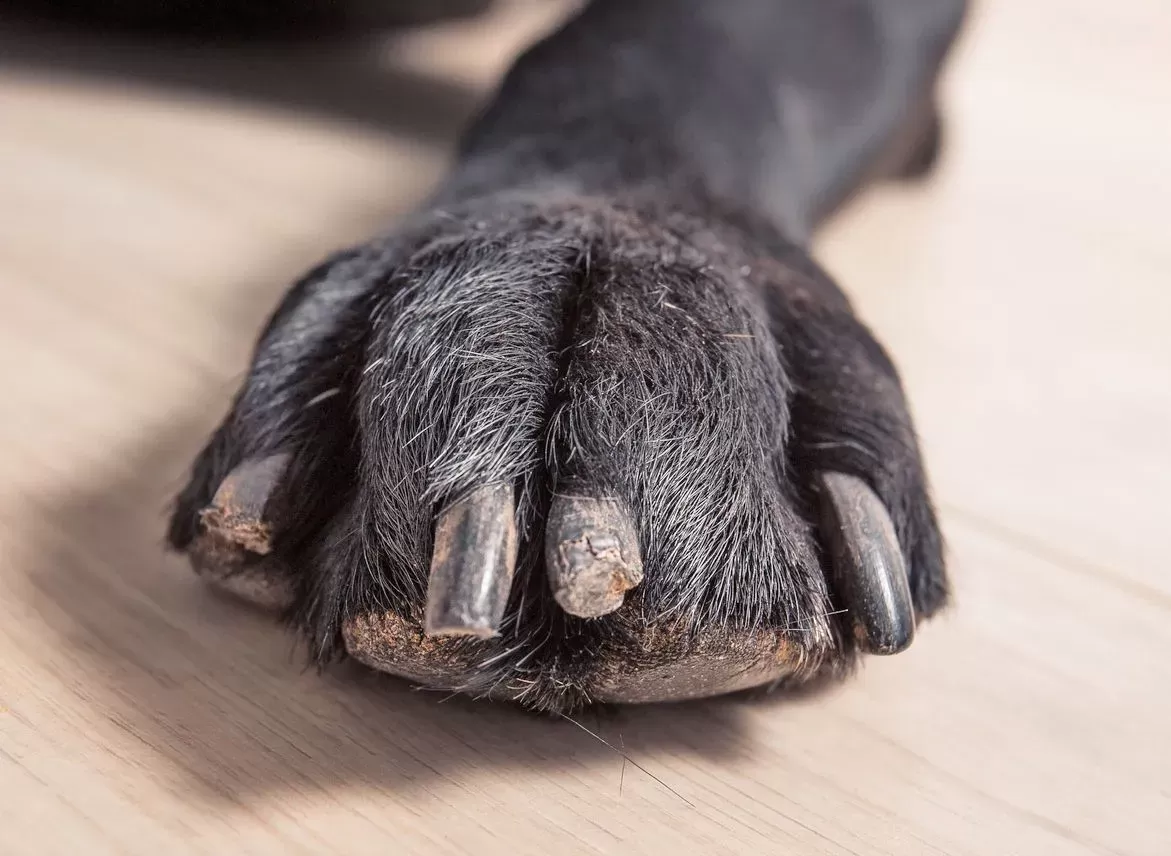
Broken nails in dogs, also known as nail fractures or nail breaks, occur when the nail plate separates from the quick, which is the sensitive part of the nail that contains nerves and blood vessels. This can be a painful experience for your dog, especially if the break is severe or if the nail is exposed. Broken nails can lead to bleeding, infection, and even abscesses if not treated promptly.

Causes of Broken Nails in Dogs
There are several reasons why your dog may develop broken nails. Some common causes include overgrown nails, nail trimming accidents, and injuries from playing or running. If your dog's nails are too long, they can easily get caught on surfaces, leading to breaks or fractures. Similarly, if you're not careful when trimming your dog's nails, you can accidentally cut the quick, causing pain and bleeding. Injuries from playing or running can also cause broken nails, especially if your dog gets their nails caught on something or lands awkwardly.
Other factors that can contribute to broken nails in dogs include nail diseases, such as nail fungus or nail cancer, and nutritional deficiencies. For example, a lack of vitamin E or biotin can affect the health and strength of your dog's nails, making them more prone to breaks. Certain breeds, such as Basset Hounds and Dachshunds, are also more susceptible to nail problems due to their unique nail structure.
Signs of Broken Nails in Dogs
your dog has a broken nail? There are several signs to look out for, including bleeding, limping, and changes in behavior. If your dog is bleeding from their nail, it's likely that the break is severe and requires immediate attention. Limping or avoiding putting weight on a particular paw can also be a sign of a broken nail, as your dog may be trying to avoid causing further pain or discomfort.
Changes in behavior, such as whining or whimpering, can also indicate that your dog is experiencing pain or discomfort due to a broken nail. In some cases, your dog may even chew or lick at the affected area, which can lead to further complications, such as infection. If you notice any of these signs, it's essential to inspect your dog's nails carefully and seek veterinary attention if necessary.
Diagnosing Broken Nails in Dogs
In some cases, your veterinarian may take a sample of the nail or surrounding tissue to rule out underlying conditions, such as nail diseases or nutritional deficiencies. They may also recommend radiographs (x-rays) to evaluate the extent of the break and check for any other injuries to the paw or leg.

Treating Broken Nails in Dogs
In some cases, your veterinarian may need to perform a surgical procedure to repair or remove the broken nail. This is typically the case for severe breaks or those that are causing significant pain or discomfort. After the procedure, your veterinarian will provide guidance on how to care for your dog's nail, including how to keep it clean and dry and how to monitor for signs of infection.
Preventing Broken Nails in Dogs
It's also essential to be careful when trimming your dog's nails to avoid cutting the quick. If you're not comfortable trimming your dog's nails yourself, consider taking them to a professional groomer or veterinarian who can do it for you. Additionally, make sure your dog is getting a balanced diet that includes all the necessary nutrients for healthy nail growth.

Caring for Your Dog's Nails
You should also inspect your dog's nails regularly to check for signs of breaks, cracks, or other damage. If you notice any issues, be sure to seek veterinary attention promptly to prevent further complications. By taking these steps, you can help keep your dog's nails healthy and prevent broken nails from becoming a problem.
In conclusion, broken nails in dogs can be a painful and potentially serious issue if left untreated. By understanding the signs of broken nails, what causes them, and how to prevent and treat them, you can help keep your dog's nails healthy and strong. Remember to always be vigilant and seek veterinary attention if you suspect your dog has a broken nail. With the right care and attention, you can help your dog live a happy and healthy life, free from the pain and discomfort of broken nails.