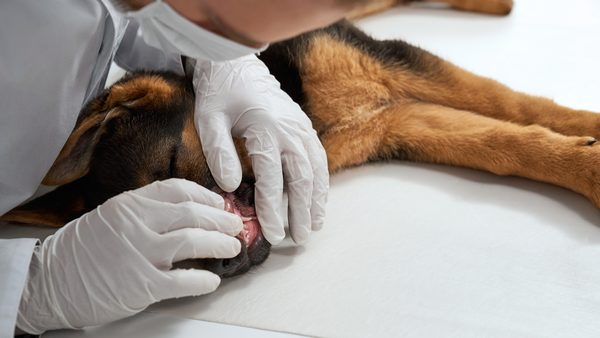
As a dog owner, it's essential to keep an eye on your furry friend's overall health, and that includes their oral health. Gum disease in dogs is a common issue that can lead to a range of problems, from bad breath to tooth loss and even heart disease. But how do you know if your dog is suffering from gum disease? In this article, we'll explore the signs of gum disease in dogs, what causes it, and how you can prevent and treat it.
What is Gum Disease in Dogs?
Gum disease, also known as periodontal disease, is a bacterial infection that affects the gums and teeth of dogs. It's a progressive condition that can cause inflammation, pain, and eventually, tooth loss. Gum disease is caused by the buildup of plaque and tartar on the teeth, which can lead to the formation of pockets between the teeth and gums. These pockets can become infected, causing the gums to become red, swollen, and painful.
According to the American Veterinary Dental Society, gum disease is one of the most common health issues affecting dogs, with over 80% of dogs showing signs of gum disease by the age of three. It's a serious condition that requires attention and treatment to prevent long-term damage to your dog's teeth and overall health.
Causes of Gum Disease in Dogs
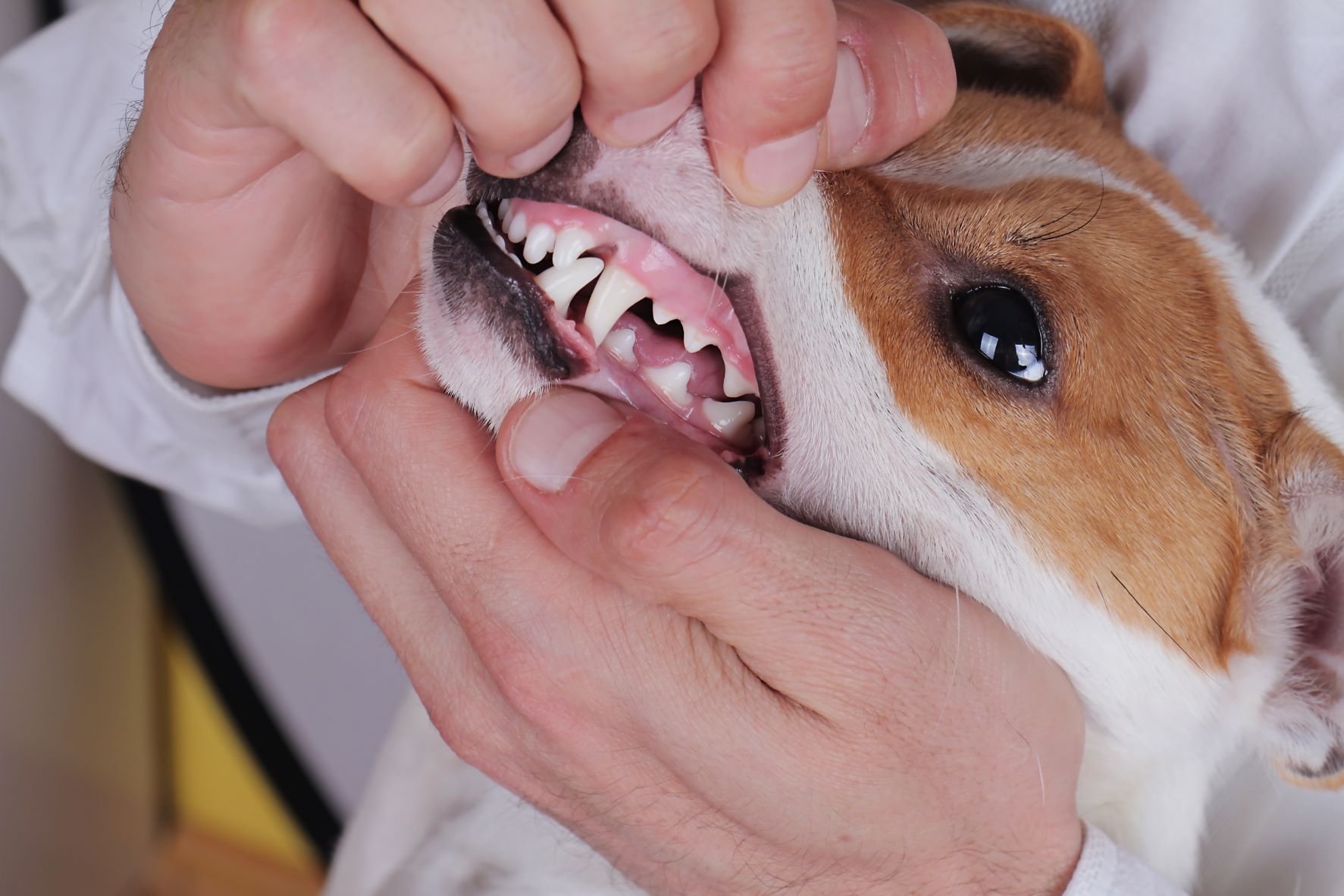
So, what causes gum disease in dogs? The main culprit is the buildup of plaque and tartar on the teeth. Plaque is a sticky film of bacteria that forms on the teeth, and if it's not removed, it can harden into tartar. Tartar is a hard, yellowish deposit that can only be removed by a veterinarian or a professional dog groomer. Other factors that can contribute to gum disease in dogs include:
Poor oral hygiene: If you don't brush your dog's teeth regularly, plaque and tartar can build up, leading to gum disease. Genetics: Some breeds are more prone to gum disease than others, so it's essential to know your dog's breed-specific health issues. Diet: A diet high in sugar and carbohydrates can contribute to the development of gum disease. Age: Gum disease is more common in older dogs, as their teeth and gums may be more susceptible to disease.

Signs of Gum Disease in Dogs
So, how do you know if your dog is suffering from gum disease? Here are some common signs to look out for:
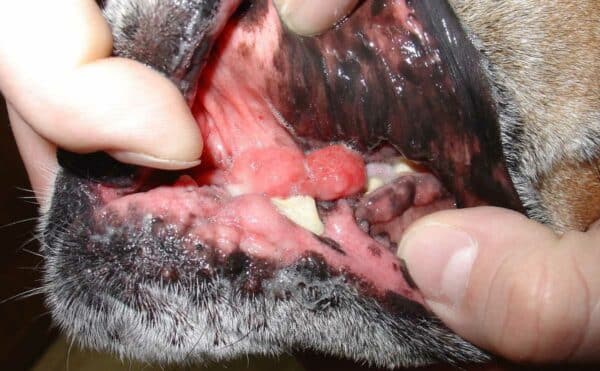
Bad breath: If your dog's breath is consistently bad, it could be a sign of gum disease. Red, swollen gums: If your dog's gums are red, swollen, or bleeding, it's a sign of inflammation and infection. Yellow or brown teeth: If your dog's teeth are discolored or have a yellow or brown tint, it could be a sign of tartar buildup. Loose teeth: If your dog's teeth are loose or missing, it's a sign of advanced gum disease. Pain or discomfort: If your dog is showing signs of pain or discomfort while eating or chewing, it could be a sign of gum disease.

It's essential to keep an eye on your dog's oral health and look out for these signs. If you notice any of these symptoms, it's crucial to take your dog to the vet for a check-up. Your vet can examine your dog's teeth and gums and provide a diagnosis and treatment plan.
Treatment and Prevention of Gum Disease in Dogs
So, how can you treat and prevent gum disease in dogs? The good news is that gum disease is preventable, and with regular care and attention, you can keep your dog's teeth and gums healthy. Here are some tips:
Brush your dog's teeth regularly: Brushing your dog's teeth is essential to remove plaque and tartar. You can use a dog-specific toothbrush and toothpaste, and aim to brush your dog's teeth at least twice a week. Provide a healthy diet: A balanced diet that's low in sugar and carbohydrates can help prevent gum disease. Consider a dental diet: There are many dental diets available that are specifically designed to help reduce tartar buildup and promote oral health.
Take your dog to the vet for regular check-ups: Regular check-ups with your vet can help identify any oral health issues early on, and prevent more serious problems from developing. Consider a professional cleaning: If your dog is showing signs of gum disease, your vet may recommend a professional cleaning to remove tartar and plaque.
In conclusion, gum disease in dogs is a common and serious health issue that requires attention and treatment. By understanding the causes and signs of gum disease, you can take steps to prevent and treat it. Remember to brush your dog's teeth regularly, provide a healthy diet, and take your dog to the vet for regular check-ups. With a little care and attention, you can keep your dog's teeth and gums healthy and strong.
