
Welcoming an adult dog into your family can be a thrilling experience, but it also comes with its own set of challenges. One of the most significant hurdles you may face is socializing your new furry friend. Socialization is a critical aspect of a dog's life, and it's essential to help them become confident and calm in the presence of new people, animals, and environments. In this article, we'll delve into the world of socializing an adult dog and provide you with practical tips and advice on how to do it effectively.
Understanding the Importance of Socialization
Socialization is the process of exposing your dog to various stimuli, such as people, dogs, noises, and environments, to help them become desensitized and confident. This process is crucial for puppies, but it's also essential for adult dogs, especially if they've had limited social interaction in the past. A well-socialized dog is less likely to develop anxiety, fear, or aggression issues, which can lead to behavioral problems. By socializing your adult dog, you can help them become a well-adjusted and happy member of your family.
Assessing Your Dog's Socialization Needs
Before you start socializing your adult dog, it's essential to assess their individual needs. Every dog is unique, and their socialization requirements will vary depending on their breed, age, and life experiences. If your dog has had limited social interaction in the past, they may require more time and patience to adjust to new environments and people. On the other hand, if your dog has had plenty of socialization in the past, they may be more confident and calm in new situations. It's crucial to understand your dog's personality, temperament, and quirks to tailor a socialization plan that suits their needs.
For example, if your dog is fearful or anxious, you may need to start with small, controlled interactions in quiet environments. Gradually, you can increase the intensity and duration of these interactions, always monitoring your dog's body language and behavior. If your dog appears stressed or overwhelmed, it's essential to slow down the socialization process and give them time to adjust.
Creating a Socialization Plan
Developing a socialization plan for your adult dog is critical to their success. This plan should include a combination of short, frequent interactions in various environments, such as parks, dog daycare centers, and pet stores. It's also essential to expose your dog to different types of people, including men, women, children, and individuals with disabilities. By doing so, you can help your dog become confident and calm in the presence of new people and environments.
A socialization plan should also include a range of activities and exercises designed to challenge your dog and help them develop new skills. For example, you can try agility training, obedience training, or even scent work. These activities can help your dog build confidence, focus, and problem-solving skills, all of which are essential for socialization. Remember to always reward your dog with treats, praise, and affection when they exhibit calm, confident behavior in new situations.
Socialization Techniques for Adult Dogs
There are several socialization techniques you can use to help your adult dog become more confident and calm in new situations. One of the most effective techniques is desensitization, which involves gradually exposing your dog to a stimulus that causes them stress or anxiety. For example, if your dog is fearful of loud noises, you can start by playing a recording of the noise at a low volume, then gradually increase the volume over time.
Another technique is counterconditioning, which involves associating a stimulus that causes your dog stress or anxiety with something positive, such as treats or praise. For example, if your dog is fearful of strangers, you can try having a stranger offer them treats or toys, helping your dog associate the stranger with positive experiences.
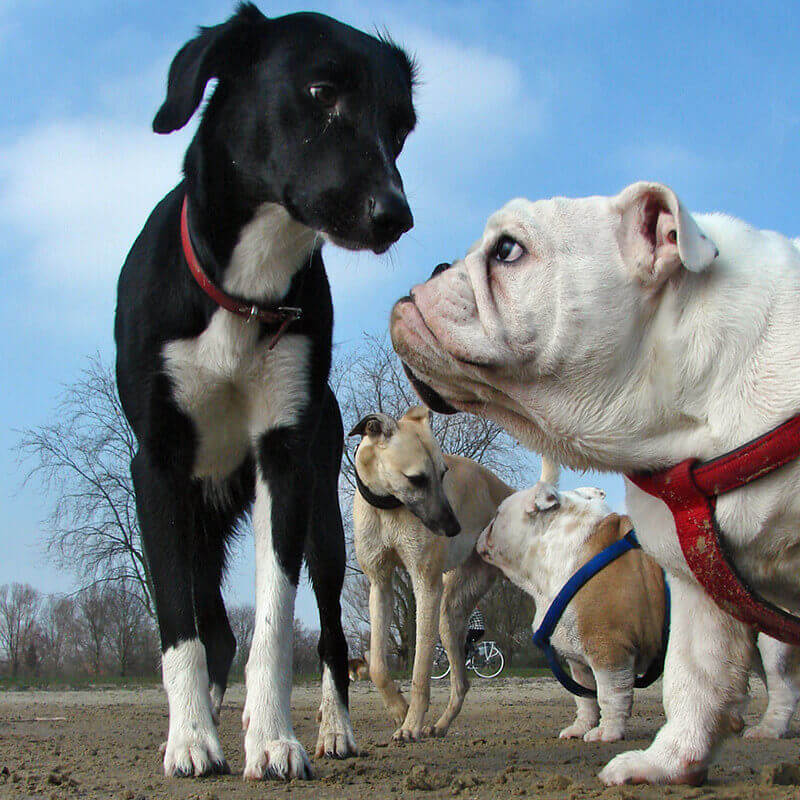
It's also essential to use positive reinforcement training techniques when socializing your adult dog. This involves rewarding your dog with treats, praise, and affection when they exhibit calm, confident behavior in new situations. By doing so, you can help your dog develop a positive association with new environments and people, making the socialization process more enjoyable and effective.
Overcoming Common Socialization Challenges
Socializing an adult dog can be challenging, and you may encounter several obstacles along the way. One of the most common challenges is fear or anxiety, which can manifest in a range of behaviors, from growling and snapping to avoidance and hiding. If your dog exhibits these behaviors, it's essential to slow down the socialization process and give them time to adjust to new environments and people.
Another challenge is resource guarding, which can occur when your dog becomes protective of their food, toys, or other resources. To overcome this challenge, it's essential to teach your dog to share and drop items on command, using positive reinforcement training techniques. You can also try feeding your dog in a quiet, distraction-free area, helping them associate mealtime with relaxation and calmness.
Additionally, you may encounter challenges related to your dog's breed or temperament. For example, some breeds, such as guard dogs or herding dogs, may be more prone to protective or defensive behaviors. In these cases, it's essential to work with a professional dog trainer or behaviorist to develop a customized socialization plan that addresses your dog's unique needs and challenges.
Maintaining Socialization Momentum
Socializing an adult dog is an ongoing process that requires patience, consistency, and dedication. To maintain socialization momentum, it's essential to continue exposing your dog to new environments, people, and experiences on a regular basis. You can try new activities, such as hiking or swimming, or visit new places, such as dog parks or pet stores.
It's also essential to monitor your dog's progress and adjust your socialization plan as needed. If you notice your dog becoming more anxious or fearful, it's crucial to slow down the socialization process and give them time to adjust. On the other hand, if your dog appears confident and calm in new situations, you can gradually increase the intensity and duration of these interactions.
In conclusion, socializing an adult dog requires time, patience, and effort, but the rewards are well worth it. By understanding the importance of socialization, assessing your dog's individual needs, and creating a customized socialization plan, you can help your dog become a confident, calm, and well-adjusted member of your family. Remember to always use positive reinforcement training techniques, desensitize your dog to stressful stimuli, and maintain socialization momentum to ensure your dog continues to thrive in new environments and situations.