
As a dog owner, it can be quite distressing to see your furry friend cowering in fear at the sound of loud noises. Whether it's fireworks, thunderstorms, or even just a loud knock on the door, many dogs exhibit a strong fear response to sudden, loud sounds. But have you ever wondered why your dog is afraid of loud noises in the first place? In this article, we'll delve into the possible reasons behind your dog's noise phobia and explore some ways to help them feel more at ease.
Understanding Canine Hearing
Dogs have a unique sense of hearing that is far more sensitive than humans. They can pick up sounds at frequencies as high as 45,000 Hz, while humans can only hear up to 20,000 Hz. This means that dogs are more prone to being startled by loud noises, as they can hear a wider range of sounds. Additionally, dogs have a more acute sense of hearing, which allows them to pinpoint the source of a sound more easily. This can be both a blessing and a curse, as it makes them more aware of their surroundings, but also more sensitive to loud noises.

The Science Behind Noise Phobia
Noise phobia in dogs is a common problem that can be caused by a combination of genetic and environmental factors. Some breeds, such as German Shepherds and Labradors, are more prone to noise phobia due to their sensitive nature. However, any dog can develop a fear of loud noises if they have a traumatic experience, such as being startled by a loud noise at a young age. The brain's amygdala, which processes emotions such as fear and anxiety, plays a key role in noise phobia. When a dog hears a loud noise, their amygdala goes into overdrive, releasing stress hormones such as cortisol and adrenaline. This can lead to a range of symptoms, including panting, pacing, and even destructive behavior.
In some cases, noise phobia can be a learned behavior, passed down from dog to dog through observation and mimicry. For example, if a puppy sees their mother reacting fearfully to a loud noise, they may learn to associate the noise with fear and develop a phobia themselves. This highlights the importance of socialization and training in helping dogs develop a healthy response to loud noises.
Recognizing the Signs of Noise Phobia
So, how can you tell if your dog is afraid of loud noises? The signs can vary, but common symptoms include:
• Panting and pacing: Dogs may exhibit rapid breathing and pacing when they hear a loud noise, as they try to calm themselves down.
• Hiding and seeking comfort: Dogs may try to hide in a safe place, such as under a bed or in a crate, when they hear a loud noise. They may also seek comfort from their owners, such as nuzzling or whining.
• Destructive behavior: In extreme cases, dogs may exhibit destructive behavior, such as chewing or digging, when they hear a loud noise.
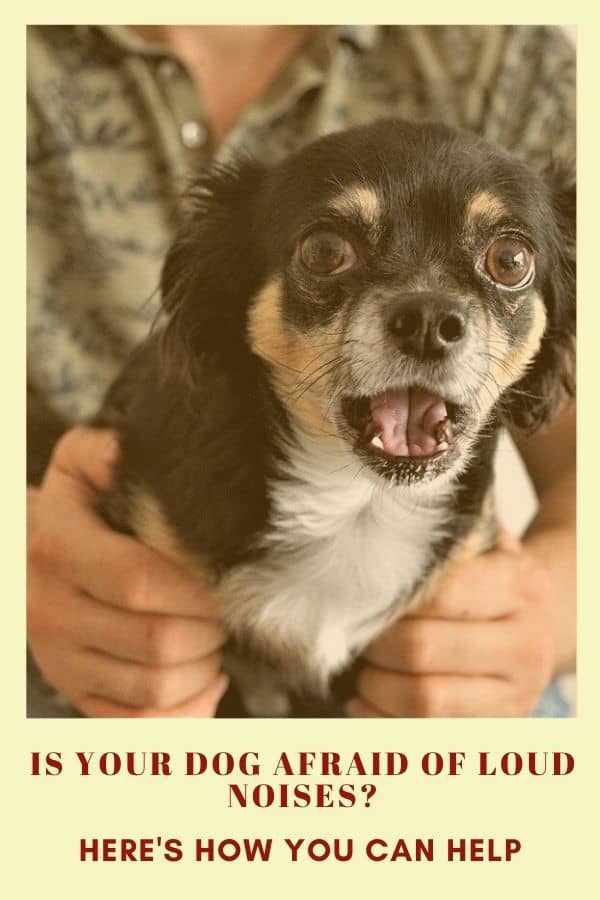
 Is My Dog Afraid of Loud Noises Helping Your Dog Overcome Noise Phobia" loading="lazy" style="max-width:700px;width:100%;height:auto;border-radius:8px;">
Helping Your Dog Overcome Noise Phobia
While it's not possible to completely eliminate your dog's fear of loud noises, there are several strategies you can use to help them feel more at ease. One of the most effective methods is desensitization and counterconditioning. This involves gradually exposing your dog to the loud noise, starting from a low level, while providing a positive association, such as treats and praise. Over time, your dog will learn to associate the noise with positive outcomes, rather than fear and anxiety.
Another approach is to use calming aids, such as pheromone diffusers or calming music, to help reduce your dog's stress levels. These can be particularly useful during fireworks or thunderstorms, when the noise can be overwhelming. You can also try using a Thunder Shirt, which provides gentle pressure to help calm your dog's nervous system.
Creating a Safe Space
Creating a safe space for your dog to retreat to when they feel anxious or scared is essential. This can be a crate or a quiet room, where your dog can feel secure and protected from the outside world. Make sure the space is comfortable and well-ventilated, with plenty of toys and treats to keep your dog occupied. You can also add a familiar scent, such as a blanket or toy, to provide reassurance.
In addition to creating a safe space, it's also important to provide emotional support and reassurance. Let your dog know that everything is okay, and that you're there to protect them. Avoid punishing or scolding your dog for their fear, as this can exacerbate the problem and make them feel more anxious.

Seeking Professional Help
In some cases, noise phobia can be a serious problem that requires professional help. If your dog's fear is causing them significant distress, or if it's impacting their quality of life, it's a good idea to consult with a professional dog trainer or behaviorist. They can help you develop a customized training plan to address your dog's specific needs and provide guidance on how to manage their noise phobia.
With patience, persistence, and the right strategies, it's possible to help your dog overcome their fear of loud noises. Remember, every dog is different, so it's essential to tailor your approach to your dog's unique needs and personality. By providing a supportive and nurturing environment, you can help your dog feel more confident and calm in the face of loud noises.
In conclusion, noise phobia is a common problem that affects many dogs, but with the right understanding and strategies, it's possible to help your dog overcome their fear. By recognizing the signs of noise phobia, using desensitization and counterconditioning, creating a safe space, and seeking professional help when needed, you can help your dog live a happier, healthier life. So, the next time your dog cowers in fear at the sound of a loud noise, remember that they're not alone, and that with your help, they can learn to cope with their noise phobia and thrive.