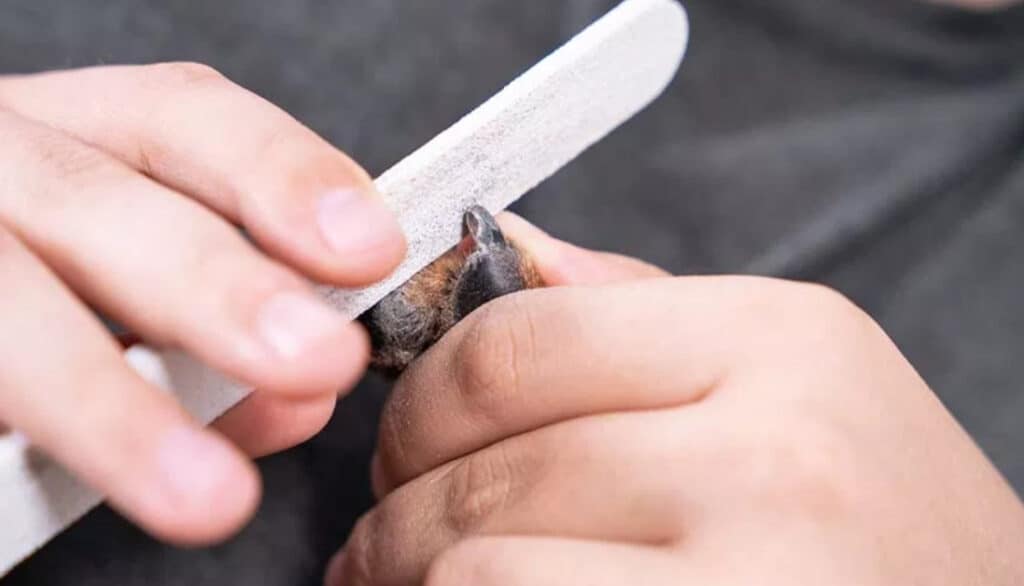
As a responsible dog owner, it's essential to keep your furry friend's nails trimmed and well-maintained. Overgrown nails can cause discomfort, pain, and even lead to health issues. However, many dog owners are hesitant to trim their dog's nails due to the risk of cutting the quick, which can be painful and stressful for both the dog and the owner. In this article, we'll guide you through the process of filing dog nails safely, providing you with the knowledge and confidence to keep your dog's nails healthy and well-groomed.
Understanding Dog Nail Anatomy
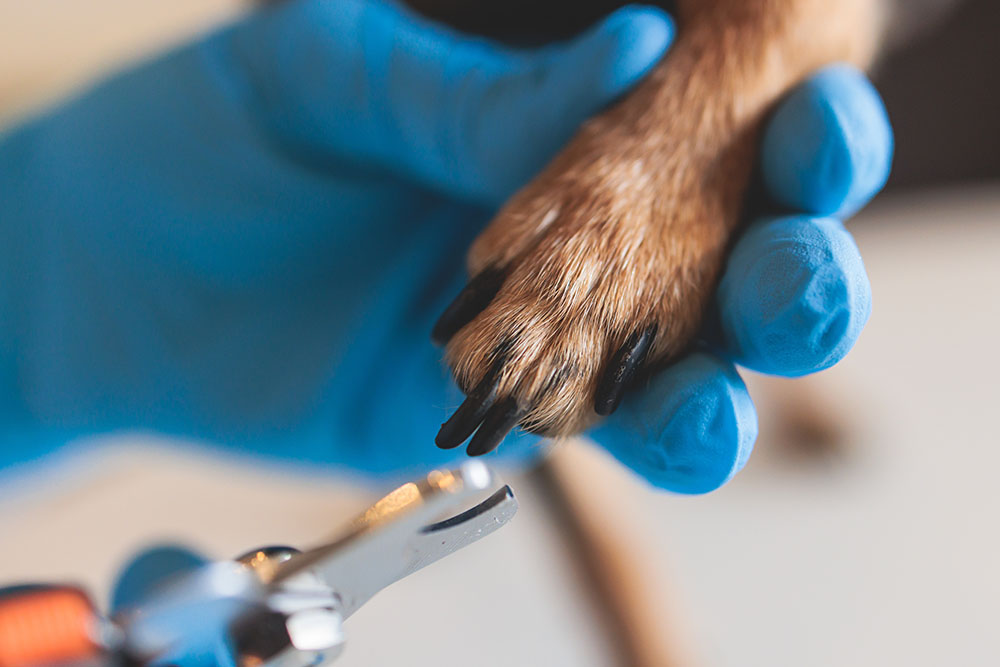
Before we dive into the process of filing dog nails, it's crucial to understand the anatomy of a dog's nail. A dog's nail consists of a hard outer layer and a sensitive inner layer called the quick. The quick contains nerves and blood vessels, and cutting it can be painful for your dog. The quick is usually visible as a pinkish-colored area inside the nail, but it can be difficult to spot, especially in dogs with black nails.
Preparation is Key
To file your dog's nails safely, you'll need to gather a few essential tools and prepare your dog for the process. You'll need a dog nail file or grinder, a styptic powder or a pet nail clotting gel, and some treats to reward your dog for their good behavior. It's also a good idea to get your dog accustomed to having their paws touched and handled, as this will make the process less stressful for both of you. Start by gently massaging your dog's paws and toes, then gradually introduce the nail file or grinder, allowing your dog to become familiar with the sound and sensation.
Choose a quiet and comfortable location for the nail filing process, free from distractions and interruptions. Make sure your dog is relaxed and calm, and consider having someone assist you to hold your dog steady and provide reassurance.

Step-by-Step Guide to Filing Dog Nails
Now that you're prepared, let's move on to the step-by-step guide to filing dog nails. Start by selecting the right nail file or grinder for your dog's nail type and size. There are several types of nail files available, including manual files, electric grinders, and diamond-coated files. Manual files are a good option for small dogs or for dogs with sensitive nails, while electric grinders are more suitable for larger dogs or for dogs with thick nails.
Begin by holding your dog's paw firmly but gently, making sure to support their joints and keep them comfortable. Hold the nail file or grinder at an angle, with the grinding surface facing the nail. Start filing the nail slowly and carefully, taking small, gentle strokes to avoid cutting the quick. It's essential to file in the right direction, following the natural curve of the nail.
Tips and Precautions
When filing your dog's nails, it's crucial to be patient and cautious to avoid cutting the quick. If you do cut the quick, apply some styptic powder or pet nail clotting gel to the nail to stop the bleeding. Reward your dog with treats and praise for their good behavior, and take regular breaks to give them a chance to relax and calm down. It's also a good idea to file your dog's nails in small increments, taking breaks in between to avoid overheating the nail or causing discomfort to your dog.
Remember, filing your dog's nails is an ongoing process that requires regular maintenance. Aim to file your dog's nails every 4-6 weeks, depending on their nail growth rate and lifestyle. If you're unsure about filing your dog's nails or if you're experiencing any difficulties, consult with a veterinarian or a professional dog groomer for advice and guidance.

Common Mistakes to Avoid
When filing dog nails, there are several common mistakes to avoid. One of the most significant mistakes is cutting the quick, which can be painful and stressful for your dog. To avoid cutting the quick, make sure to file your dog's nails slowly and carefully, taking small, gentle strokes and following the natural curve of the nail. It's also essential to choose the right nail file or grinder for your dog's nail type and size, as using the wrong tool can cause damage to the nail or surrounding skin.
Another common mistake is filing your dog's nails too short, which can cause discomfort and pain. To avoid this, start by filing small amounts and gradually increasing the length as needed. It's also crucial to file your dog's nails in the right direction, following the natural curve of the nail, to avoid causing damage to the nail or surrounding skin.
Conclusion
Filing dog nails safely requires patience, caution, and practice. By understanding dog nail anatomy, preparing your dog for the process, and following the step-by-step guide, you can keep your dog's nails healthy and well-groomed. Remember to avoid common mistakes, such as cutting the quick or filing your dog's nails too short, and take regular breaks to give your dog a chance to relax and calm down. With time and practice, you'll become more confident and proficient in filing your dog's nails, and your dog will appreciate the extra care and attention you're providing.
As a responsible dog owner, it's essential to prioritize your dog's health and well-being, and filing their nails is an integral part of their overall care. By following the tips and guidelines outlined in this article, you can ensure your dog's nails remain healthy, well-groomed, and free from pain and discomfort. So, take the first step today, and start filing your dog's nails with confidence and care. Your dog will thank you for it.