
As a dog owner, there's nothing more terrifying than suspecting that your furry friend has ingested something toxic. Whether it's a household item, a plant, or a substance from the outdoors, the consequences can be severe and even life-threatening. In this article, we'll explore the signs that your dog may have eaten something toxic, what you can do to prevent it, and the steps to take if you suspect your dog has ingested a poisonous substance.
Understanding the Risks
Dogs are naturally curious creatures, and their tendency to explore their surroundings through smell and taste can sometimes lead them to ingest harmful substances. According to the American Society for the Prevention of Cruelty to Animals (ASPCA), the most common household items that can be toxic to dogs include medications, cleaning supplies, and certain foods. Outdoor substances like pesticides, fertilizers, and plants can also be hazardous to your dog's health.

Common Toxic Substances
Some of the most common toxic substances that dogs may encounter include chocolate, grapes, and raisins. These foods can cause a range of symptoms, from mild stomach upset to life-threatening conditions like kidney failure. Other substances like rat poison, antifreeze, and certain medications can also be highly toxic to dogs. It's essential to keep these substances out of reach of your dog and to be aware of the potential risks if they are ingested.
Dogs can also be poisoned by certain plants, such as lilies, sago palms, and castor beans. If you have these plants in your home or garden, it's crucial to keep them out of reach of your dog. Even small amounts of these plants can be toxic, and ingesting them can lead to severe symptoms like vomiting, diarrhea, and abdominal pain.

Signs of Toxicity
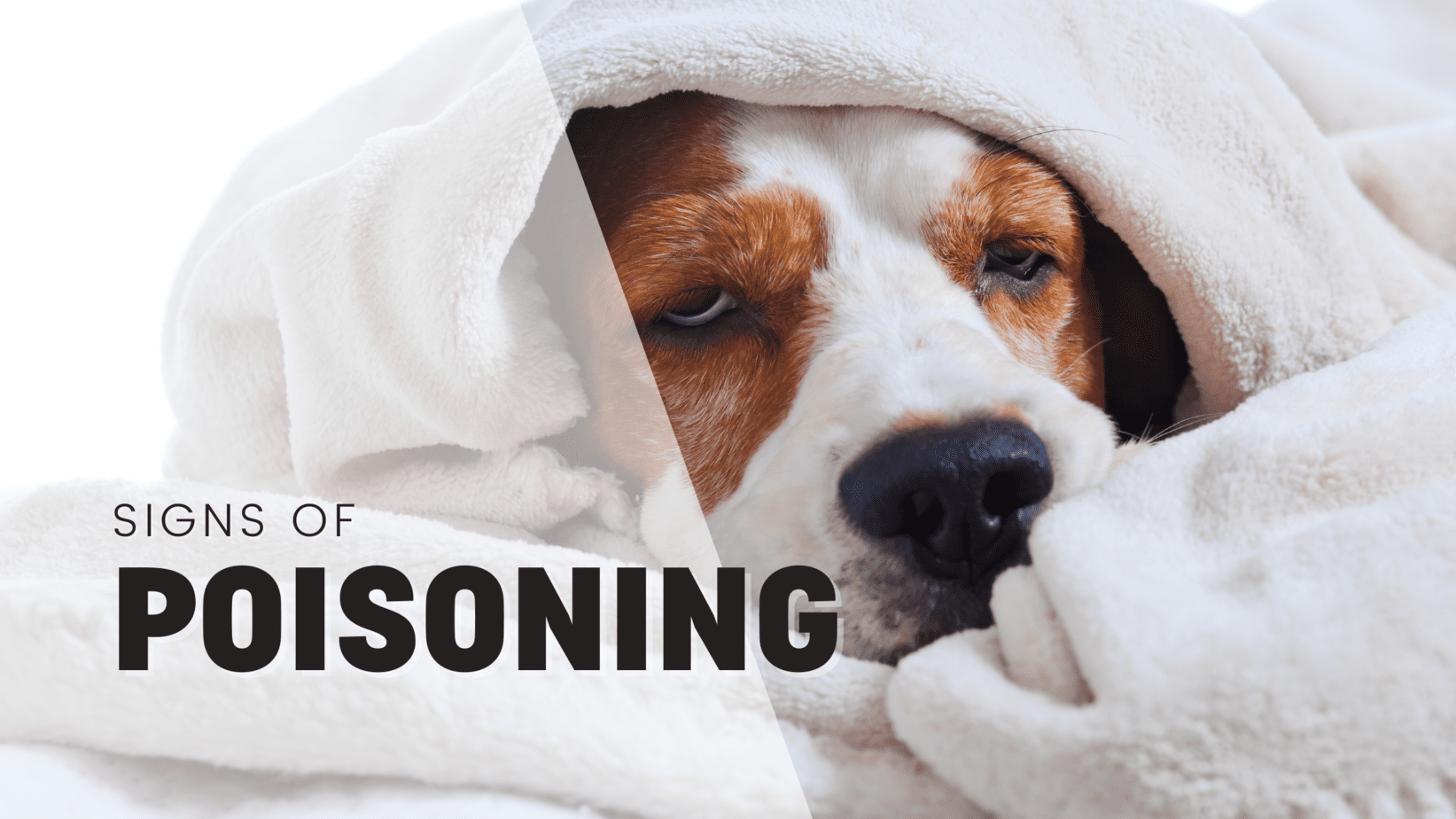
So, how do you know if your dog has eaten something toxic? The signs can vary depending on the substance ingested, but there are some common symptoms to look out for. These include vomiting, diarrhea, lethargy, and loss of appetite. Your dog may also exhibit more severe symptoms like tremors, seizures, and difficulty breathing. If you notice any of these signs, it's essential to seek veterinary attention immediately.
Behavioral Changes
In some cases, dogs may exhibit behavioral changes if they've ingested something toxic. These can include restlessness, agitation, and pacing. Your dog may also become more withdrawn or lethargic, which can be a sign of pain or discomfort. If you notice any unusual behavioral changes in your dog, it's crucial to investigate the cause and seek veterinary attention if necessary.
It's also important to be aware of the potential for delayed symptoms. Some toxic substances can take several hours or even days to cause symptoms, so it's essential to monitor your dog's behavior and health closely after any potential exposure.

What to Do If You Suspect Toxicity
If you suspect that your dog has eaten something toxic, it's crucial to act quickly. The first step is to remain calm and gather as much information as possible about the substance ingested. This can include the type of substance, the amount ingested, and the time frame in which it was ingested. You should also contact your veterinarian or a pet poison hotline for advice and guidance.
Inducing Vomiting
In some cases, your veterinarian may recommend inducing vomiting to remove the toxic substance from your dog's system. However, this should only be done under the guidance of a veterinarian, as inducing vomiting can also cause more harm than good in some cases. Your veterinarian may also recommend administering activated charcoal to help absorb the toxic substance and reduce its absorption into your dog's bloodstream.
In severe cases, hospitalization may be necessary to provide supportive care and monitoring. This can include administering intravenous fluids, managing symptoms, and providing oxygen therapy if necessary.
Prevention is Key
While it's essential to know the signs of toxicity and what to do if your dog ingests something toxic, prevention is always the best course of action. This can include keeping toxic substances out of reach of your dog, supervising your dog during outdoor activities, and being aware of potential risks in your home and garden.
Creating a Safe Environment
Creating a safe environment for your dog can go a long way in preventing toxicity. This can include storing medications and cleaning supplies in secure locations, disposing of hazardous waste properly, and keeping toxic plants out of reach. You should also be aware of the potential risks associated with certain foods and substances, and take steps to prevent your dog from accessing them.
By taking these steps, you can help reduce the risk of your dog ingesting something toxic and keep them safe and healthy. Remember, if you suspect that your dog has eaten something toxic, it's always better to err on the side of caution and seek veterinary attention immediately. Your dog's health and well-being depend on it.
Conclusion
In conclusion, knowing the signs of toxicity and what to do if your dog ingests something toxic is crucial for any dog owner. By being aware of the potential risks, taking steps to prevent them, and seeking veterinary attention if necessary, you can help keep your dog safe and healthy. Remember to always prioritize your dog's health and well-being, and don't hesitate to seek help if you suspect that they've ingested something toxic.