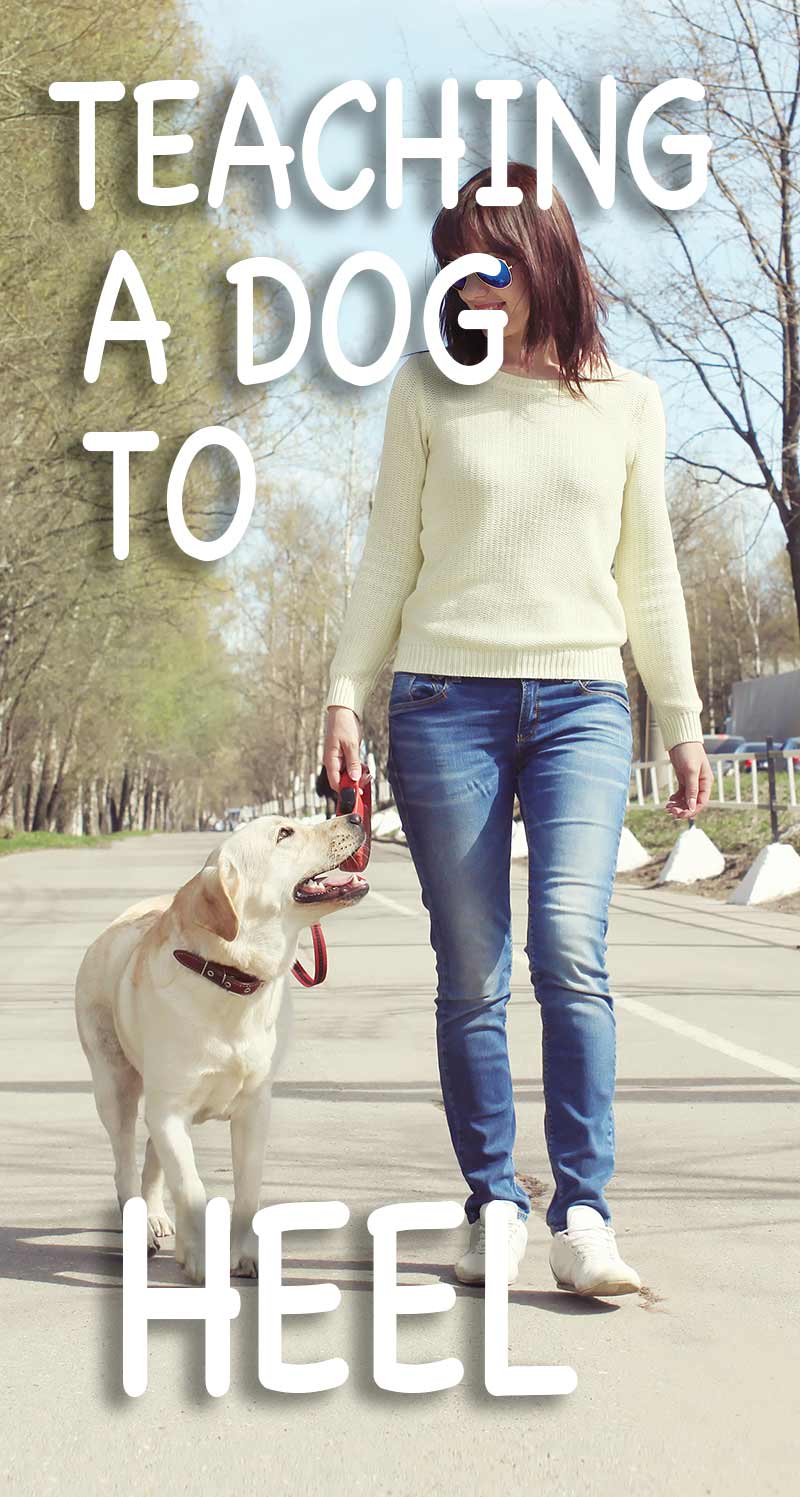
Training your dog to heel is one of the most essential skills you can teach them. It's not only a fundamental obedience command, but it's also a crucial aspect of ensuring your dog's safety and your own peace of mind when walking them. In this article, we'll delve into the world of dog training and explore the best methods for teaching your furry friend to heel. Whether you're a seasoned dog owner or a newcomer to the world of canine companionship, this guide will provide you with the knowledge and techniques you need to train your dog to walk by your side.
Understanding the Concept of Heeling
Heeling is a dog training term that refers to the act of a dog walking by their owner's left side, without pulling on the leash. It's a position that requires the dog to be focused on their owner, responsive to commands, and calm in the presence of distractions. When a dog is heeling, they should be walking in a relaxed manner, with their head held high and their ears perked up, indicating that they're engaged and attentive.
 To Train Dogs to Heel Understanding the Concept of Heeling" loading="lazy" style="max-width:700px;width:100%;height:auto;border-radius:8px;">
Benefits of Training Your Dog to Heel
Training your dog to heel has numerous benefits, both for you and your dog. For one, it makes walking your dog a much more enjoyable experience. When your dog is heeling, you don't have to worry about them pulling on the leash or getting distracted by every little thing. This means you can focus on the scenery, enjoy the fresh air, and spend quality time with your dog. Heeling also helps to strengthen the bond between you and your dog, as it requires trust, communication, and mutual respect. Additionally, heeling can help to reduce stress and anxiety in dogs, as it provides them with a sense of structure and purpose.
Preparation is Key
Before you start training your dog to heel, there are a few things you'll need to prepare. First and foremost, you'll need to choose a quiet, distraction-free area to train in. This could be a empty room, a fenced-in yard, or a quiet park. You'll also need to have some treats on hand, as well as a leash and collar. It's also a good idea to wear comfortable clothing and shoes, as you'll be doing a lot of walking and standing during the training process.
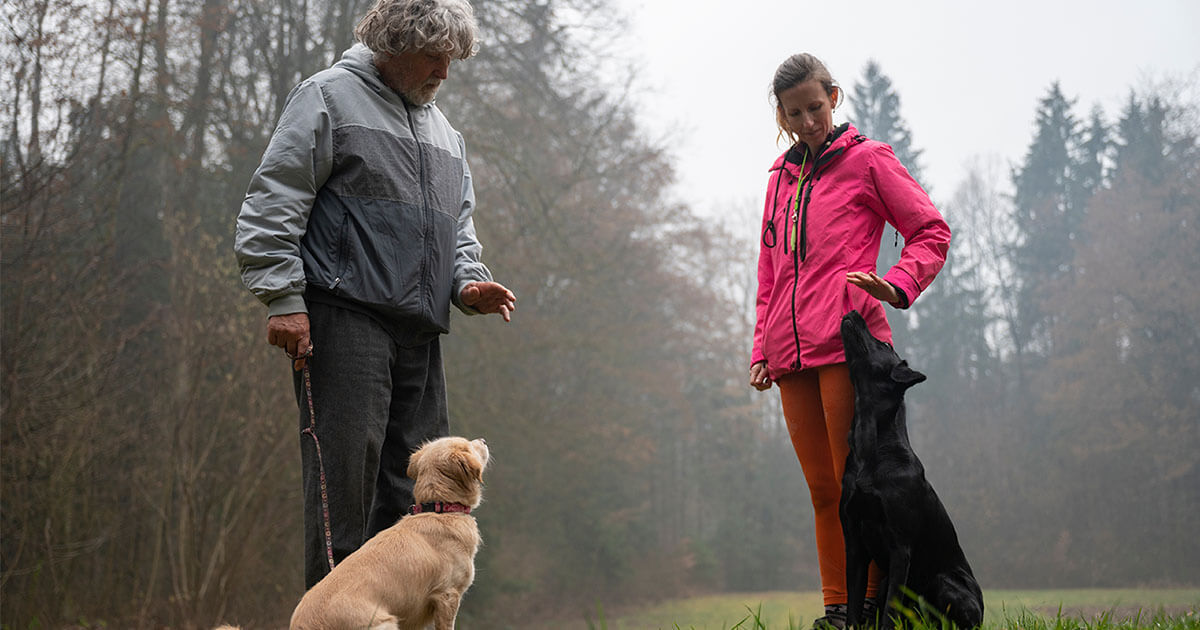 How To Train Dogs to Heel Phase 1 Introduction to Heeling" loading="lazy" style="max-width:700px;width:100%;height:auto;border-radius:8px;">
It's also important to consider your dog's individual needs and personality when preparing for training. If your dog is highly energetic or easily distracted, you may need to take extra steps to keep them focused and engaged. This could include using higher-value treats, incorporating playtime into the training sessions, or using a head halter to help guide them. On the other hand, if your dog is more laid-back or anxious, you may need to take a more gentle and patient approach to training.
Phase 1: Introduction to Heeling
The first phase of training your dog to heel involves introducing them to the concept of walking by your side. Start by having your dog sit by your left side, with their head facing forward and their ears perked up. Hold a treat in front of their nose and slowly move it forward, encouraging them to stand up and follow the treat. As they stand up, take a few steps forward, keeping the treat close to their nose.
 To Train Dogs to Heel Common Challenges and Solutions" loading="lazy" style="max-width:700px;width:100%;height:auto;border-radius:8px;">
Repeat this process several times, gradually increasing the number of steps you take and the distance you cover. Remember to keep the treat close to your dog's nose and to praise them lavishly when they're doing a good job. It's also important to keep the training sessions short and fun, as dogs can get bored or overwhelmed if they're asked to focus for too long.
Phase 2: Adding the Verbal Cue
Once your dog is comfortable walking by your side, it's time to add a verbal cue to the mix. Choose a specific word or phrase, such as "heel" or "walk," and use it consistently when you're training your dog. Start by saying the cue word as you're taking the first step, and then reward your dog with a treat and praise when they respond correctly. Gradually increase the number of steps you take before rewarding your dog, and eventually phase out the treats altogether.
It's also important to use a consistent tone and volume when giving the verbal cue, as dogs are highly attuned to sound and can pick up on subtle changes in your voice. Avoid yelling or using a harsh tone, as this can create anxiety and undermine the training process. Instead, use a calm, clear voice that encourages your dog to respond positively.
Phase 3: Adding Distractions
The final phase of training your dog to heel involves adding distractions to the mix. This could include other people, dogs, cars, bikes, or any other stimuli that might distract your dog from the task at hand. Start by introducing small distractions, such as a person walking by or a gentle breeze, and gradually increase the intensity and variety of the distractions over time.

Remember to stay calm and patient, and to reward your dog lavishly when they respond correctly. It's also important to avoid pushing your dog too hard, as this can create anxiety and undermine the training process. Instead, take things at your dog's pace, and celebrate their successes along the way.
Common Challenges and Solutions
Training your dog to heel can be a challenging process, and there are several common obstacles you may encounter along the way. One of the most common challenges is dealing with distractions, such as other dogs or people. To overcome this, try using higher-value treats or incorporating playtime into the training sessions. You can also try training in different locations, such as parks or busy streets, to help your dog generalize their learning.
Another common challenge is dealing with pulling on the leash. To overcome this, try using a head halter or a harness that helps to guide your dog's head and body. You can also try incorporating regular breaks and relaxation exercises into the training sessions, to help your dog learn to calm down and focus.
Tips and Tricks for Successful Heeling
Here are a few tips and tricks to keep in mind when training your dog to heel. First and foremost, be consistent and patient. Training your dog to heel takes time and effort, and it's essential to stay calm and patient throughout the process. Avoid getting frustrated or angry, as this can create anxiety and undermine the training process.
Second, use high-value rewards and praise lavishly when your dog responds correctly. This will help to motivate and encourage them, and will make the training process more enjoyable and engaging. Finally, remember to keep the training sessions short and fun, and to end on a positive note. This will help to keep your dog engaged and motivated, and will make the training process more effective and enjoyable.
In conclusion, training your dog to heel is a rewarding and challenging process that requires patience, consistency, and positive reinforcement. By following the steps and tips outlined in this article, you can help your dog learn to walk by your side and respond to the verbal cue. Remember to stay calm and patient, and to celebrate your dog's successes along the way. With time and effort, you can develop a strong and lasting bond with your dog, and enjoy the many benefits of heeling.