
As a dog owner, it's natural to want to share your favorite foods with your furry friend, but it's essential to know what's safe for them to eat. One popular summer treat that often raises questions is corn on the cob. Can dogs eat corn on the cob? The answer is a bit more complicated than a simple yes or no. In this article, we'll dive into the details of whether corn on the cob is a safe and healthy snack for your dog.
What's the Problem with Corn on the Cob?
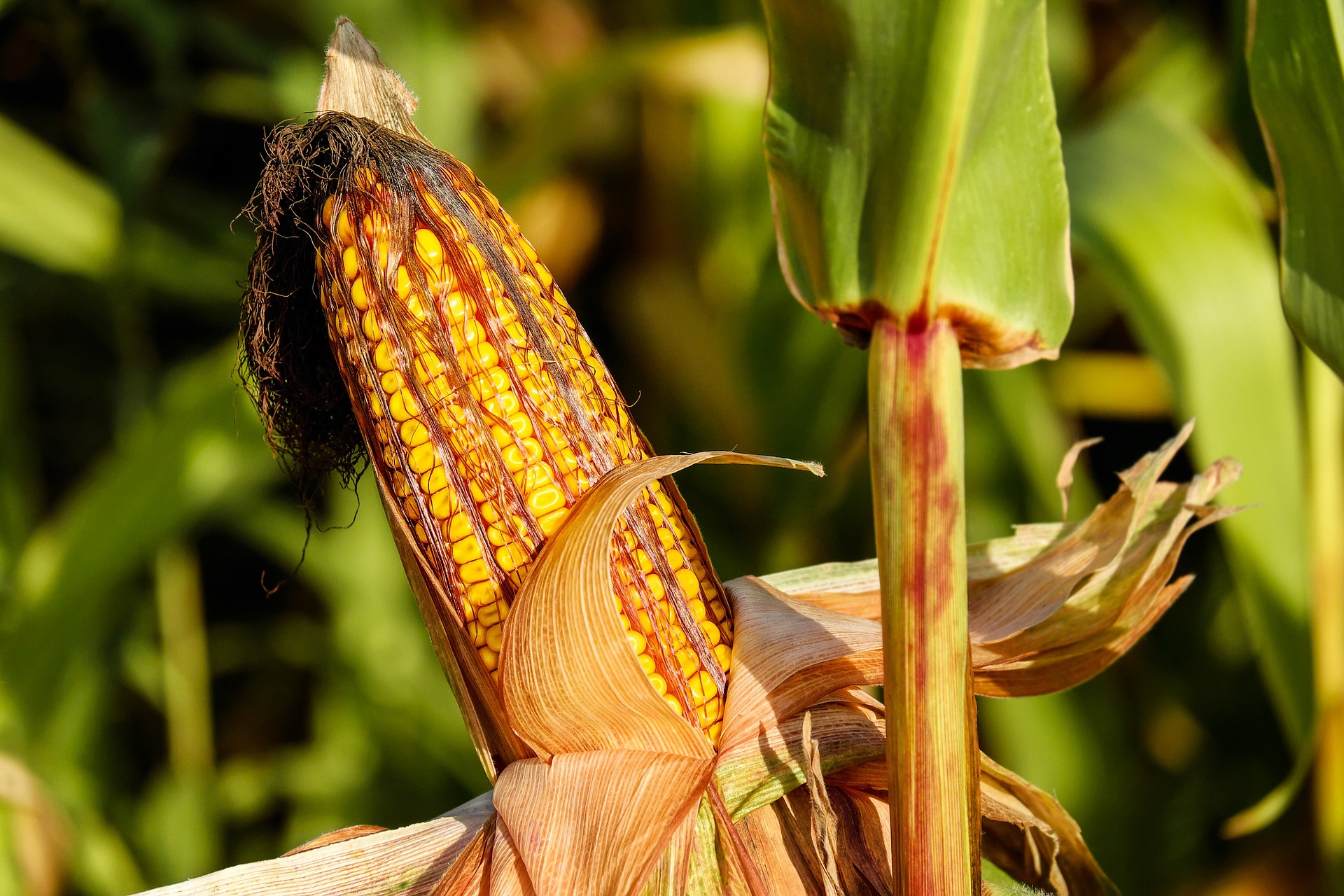
Corn on the cob can be a choking hazard for dogs, especially smaller breeds. The cob itself is not easily digestible, and if your dog swallows it whole, it can get stuck in their throat or intestines. This can lead to serious health issues, including intestinal blockages, which can be life-threatening if not treated promptly. Even if your dog manages to chew the cob into smaller pieces, they can still cause problems if they get stuck in their digestive tract.
:max_bytes(150000):strip_icc()/feeding-dog-corn-on-the-cob-3385222-hero-ff652e13f0e6409da868e574e92e46a8.jpg)
In addition to the choking hazard, corn on the cob is also high in fiber, which can be difficult for dogs to digest. While fiber is an essential part of a dog's diet, too much of it can cause stomach upset, including diarrhea, vomiting, and gas. If your dog is not used to eating high-fiber foods, introducing corn on the cob into their diet can be a recipe for disaster.
Nutritional Value of Corn on the Cob
Corn on the cob is a good source of several essential nutrients, including vitamins, minerals, and antioxidants. It's also low in calories and fat, making it a popular snack for humans. However, the nutritional value of corn on the cob for dogs is not as clear-cut. While it does contain some beneficial nutrients, the risks associated with eating corn on the cob outweigh the potential benefits for most dogs.
That being said, if you're determined to share your corn on the cob with your dog, there are some ways to do it safely. For example, you can remove the kernels from the cob and serve them plain, without any added salt, butter, or other seasonings. This way, your dog can still enjoy the nutritional benefits of corn without the risks associated with eating the cob itself.

Can Dogs Eat Canned Corn or Frozen Corn?
If you're looking for a safer alternative to fresh corn on the cob, you might be wondering about canned corn or frozen corn. The answer is that these forms of corn are generally safer for dogs to eat than fresh corn on the cob. Canned corn and frozen corn have been processed to remove the cob and other indigestible parts, leaving just the kernels.
However, it's still important to exercise caution when feeding your dog canned or frozen corn. Many commercial corn products contain added salt, sugar, and other ingredients that can be toxic to dogs. Always check the ingredient label to ensure that the product you're choosing is free from harmful additives. You should also consult with your veterinarian before making any changes to your dog's diet, especially if they have food allergies or sensitivities.
Healthy Alternatives to Corn on the Cob
If you're looking for healthy, dog-friendly alternatives to corn on the cob, there are plenty of options to choose from. For example, green beans, carrots, and sweet potatoes are all nutritious and easily digestible snacks that dogs love. You can serve them raw or cooked, depending on your dog's preferences and dietary needs.

Another great option is air-popped popcorn, which is a fun and healthy treat for dogs. Just be sure to remove any unpopped kernels, as they can be a choking hazard. You can also add a sprinkle of dog-safe seasonings, such as parsley or peanut butter, to give the popcorn a little extra flavor.
In addition to these snack options, there are many dog-friendly fruits and vegetables that you can share with your furry friend. Apples, bananas, and berries are all nutritious and delicious treats that dogs love. Just be sure to remove any seeds, pits, or stems, as they can be toxic or cause digestive problems.
Conclusion
In conclusion, while corn on the cob is not a safe or healthy snack for most dogs, there are plenty of other options to choose from. By removing the kernels from the cob and serving them plain, or opting for canned or frozen corn, you can still share the nutritional benefits of corn with your dog. However, it's always best to consult with your veterinarian before making any changes to your dog's diet, especially if they have food allergies or sensitivities.
Remember, as a dog owner, it's your responsibility to ensure that your furry friend is eating a balanced and nutritious diet. By choosing healthy, dog-friendly snacks and avoiding potentially toxic foods, you can help keep your dog happy and healthy for years to come. So next time you're at the barbecue or picnic, consider skipping the corn on the cob and opting for a healthier, safer snack for your dog instead.
As a final note, it's essential to be aware of the potential risks associated with sharing human food with your dog. While it can be tempting to give in to those puppy dog eyes, it's crucial to prioritize your dog's health and safety above all else. By doing so, you can help prevent unnecessary trips to the vet and ensure that your dog lives a long, happy, and healthy life.