
As a dog owner, it's essential to keep an eye on your furry friend's overall health, and that includes their dental health. Dental problems can be painful and uncomfortable for your dog, and if left untreated, can lead to more severe issues. In this article, we'll explore the common signs that your dog has dental problems, and what you can do to prevent and treat them. So, let's dive in and take a closer look at the importance of canine dental care.
Why Dental Health Matters
Dental health is crucial for your dog's overall well-being. Just like humans, dogs can suffer from tooth decay, gum disease, and other oral health issues. If these problems are not addressed, they can lead to bad breath, pain, and even more severe conditions like kidney disease and heart disease. Regular dental care can help prevent these issues and keep your dog's teeth and gums healthy.
 Signs Your Dog Has Dental Problems Why Dental Health Matters" loading="lazy" style="max-width:700px;width:100%;height:auto;border-radius:8px;">
Common Signs of Dental Problems
So, how do you know if your dog has dental problems? There are several signs to look out for, and it's essential to be aware of them to catch any issues early on. One of the most obvious signs is bad breath. If your dog's breath is consistently bad, it could be a sign of tooth decay or gum disease. Another sign is yellow or brown teeth, which can indicate tartar buildup. You may also notice that your dog is having trouble eating or is avoiding certain foods, which could be a sign of tooth pain or sensitivity.
Other signs of dental problems include red or swollen gums, loose teeth, and bleeding gums. If you notice any of these signs, it's essential to take your dog to the vet for a check-up. Your vet can examine your dog's teeth and gums and provide a professional cleaning or other treatment if necessary.

What Causes Dental Problems in Dogs?
So, what causes dental problems in dogs? There are several factors that can contribute to dental issues, including diet, genetics, and lack of dental care. Dogs that eat a diet high in sugar and carbohydrates are more prone to tooth decay, while dogs that don't receive regular dental care are more likely to develop tartar buildup and gum disease. Some breeds are also more prone to dental problems due to their genetics, such as small breeds like Chihuahuas and Poodles.
Age is also a factor, as older dogs are more likely to develop dental problems due to wear and tear on their teeth. Additionally, dogs that have a history of dental problems or have had dental surgery may be more prone to future issues.

Preventing Dental Problems
Preventing dental problems is key to keeping your dog's teeth and gums healthy. One of the best ways to do this is by providing regular dental care, including brushing your dog's teeth and providing dental chews and toys. You should also ensure that your dog is eating a balanced diet that is low in sugar and carbohydrates, and high in protein and fiber.
Regular veterinary check-ups are also essential for maintaining your dog's dental health. Your vet can examine your dog's teeth and gums and provide professional cleanings and other treatments as necessary. You should also consider adding a dental supplement to your dog's diet, such as a dental chew or spray, to help reduce tartar buildup and prevent bad breath.
Treating Dental Problems
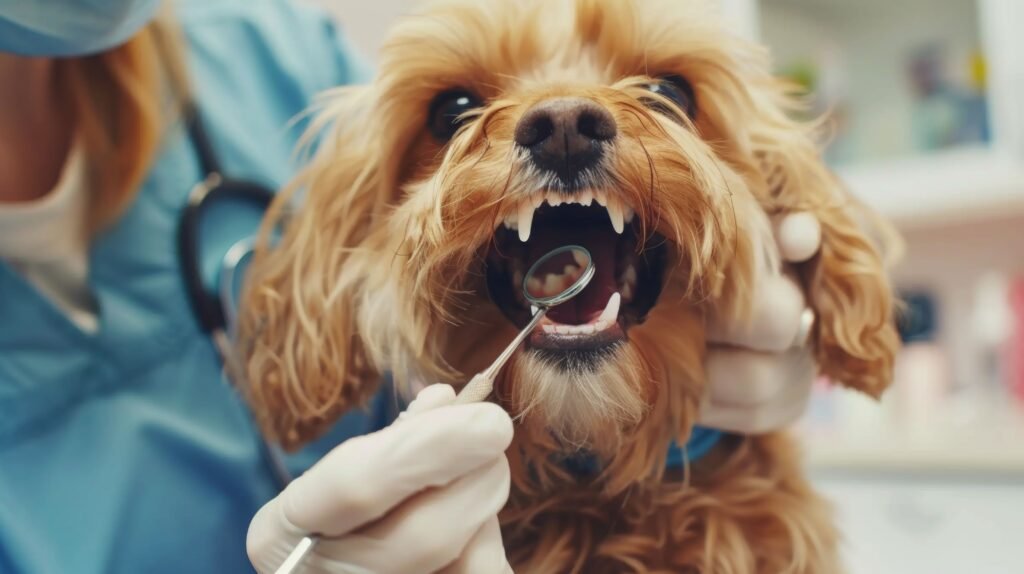
If your dog is diagnosed with a dental problem, there are several treatment options available. The most common treatment is a professional dental cleaning, which involves removing tartar and plaque from your dog's teeth and gums. This can be done under anesthesia or sedation, depending on the severity of the issue.
In some cases, your vet may recommend more extensive treatment, such as a dental surgery or extraction. This can be necessary if your dog has a severe dental problem, such as a broken tooth or gum disease. Your vet may also prescribe antibiotics or pain medication to help manage your dog's discomfort and prevent infection.
Home Care for Dental Problems
While veterinary care is essential for treating dental problems, there are also several things you can do at home to help manage your dog's dental health. One of the most important things is to brush your dog's teeth regularly, using a dog-specific toothbrush and toothpaste. You should also provide dental chews and toys to help reduce tartar buildup and prevent bad breath.
In addition to these measures, you can also try adding a dental supplement to your dog's diet, such as a dental chew or spray. These supplements can help reduce tartar buildup and prevent bad breath, and can be a useful addition to your dog's oral care routine. By taking a proactive approach to your dog's dental health, you can help prevent dental problems and keep your dog's teeth and gums healthy for years to come.
Conclusion
In conclusion, dental problems are a common issue in dogs, but by being aware of the signs and taking proactive steps to prevent them, you can help keep your dog's teeth and gums healthy. Regular veterinary check-ups, a balanced diet, and regular dental care are all essential for maintaining your dog's dental health. By following these tips and being mindful of your dog's oral health, you can help prevent dental problems and keep your dog happy and healthy for years to come.
Remember, dental health is an essential part of your dog's overall well-being, and by taking the time to care for their teeth and gums, you can help prevent a range of health problems. So, take a closer look at your dog's dental health today, and make sure they're getting the care they need to stay happy and healthy.
