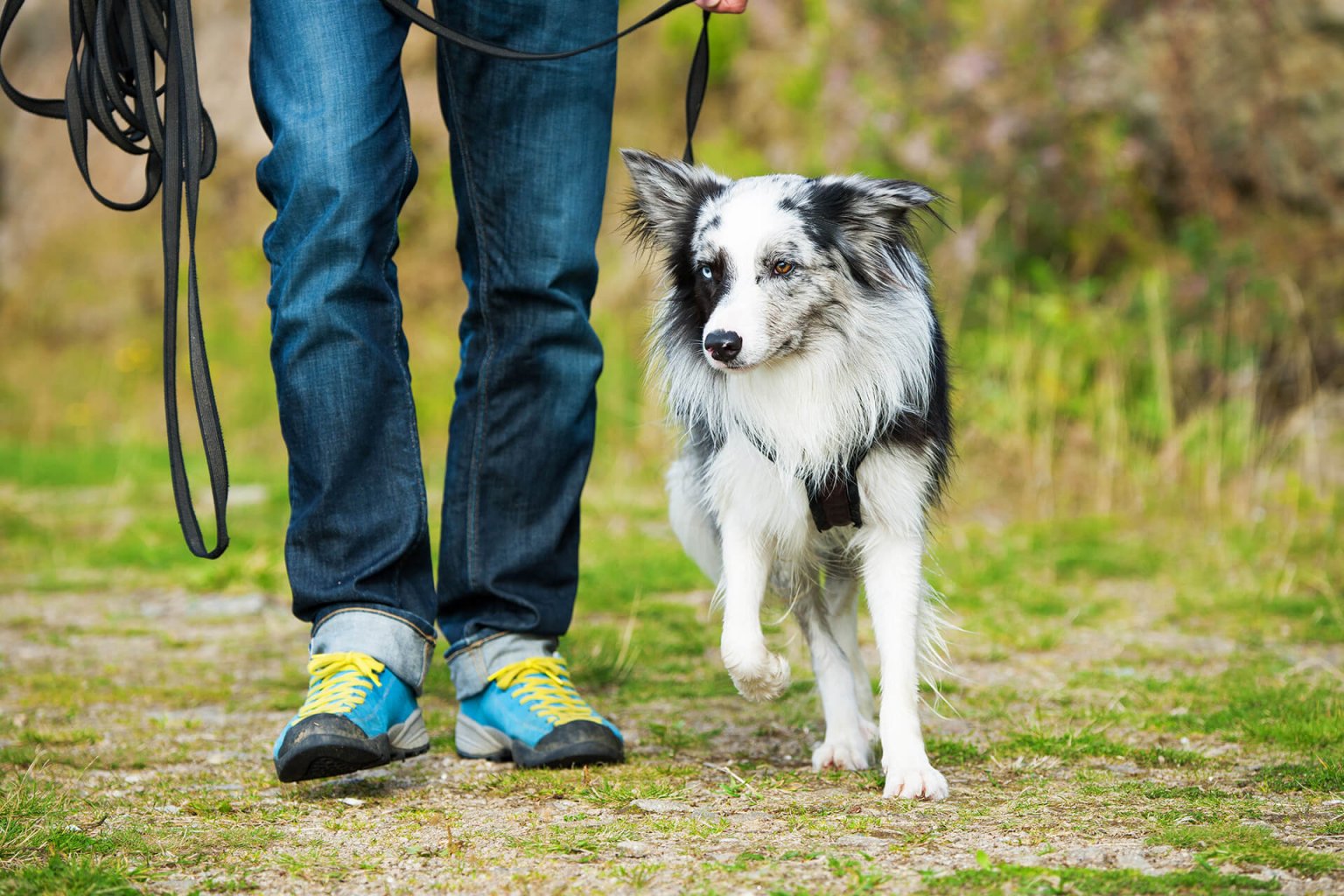
Are you tired of being pulled around by your dog every time you take them for a walk? Do you feel like you're losing control and your dog is in charge? You're not alone. Many dog owners struggle with their dogs pulling on the leash, and it can be frustrating and embarrassing. But don't worry, I've got some good news for you: with a little patience, practice, and consistency, you can teach your dog to walk nicely on a leash without pulling. In this article, we'll explore the reasons why dogs pull on the leash and provide you with some effective tips and techniques to stop it.
Why Do Dogs Pull on the Leash?
Before we dive into the solutions, it's essential to understand why dogs pull on the leash in the first place. There are several reasons, including excitement, curiosity, and a desire to explore their surroundings. Dogs are natural explorers, and they love to investigate new sights, smells, and sounds. When they're on a leash, they may feel restricted and want to get to the interesting things they see and smell as quickly as possible. Additionally, some dogs may pull on the leash due to lack of training, boredom, or anxiety. For example, if a dog is not socialized properly, they may become fearful or aggressive when they see other dogs or people, leading them to pull on the leash.
 To Stop Dog Pulling on Leash Why Do Dogs Pull on the Leash" loading="lazy" style="max-width:700px;width:100%;height:auto;border-radius:8px;">
Understanding Canine Behavior
To address the issue of dog pulling on the leash, it's crucial to understand canine behavior and body language. Dogs communicate primarily through body language, and they can pick up on subtle cues from their environment and the people around them. When a dog is pulling on the leash, they may be exhibiting behaviors such as pulling, lunging, or straining, which can be a sign of over-excitement or anxiety. By recognizing these behaviors and responding accordingly, you can help your dog feel more calm and relaxed, reducing the likelihood of pulling on the leash.
Choosing the Right Equipment
One of the most critical factors in stopping dog pulling on the leash is choosing the right equipment. The type of leash and collar you use can make a significant difference in your dog's behavior. A well-fitting harness can help distribute the force of the pull more evenly, making it more comfortable for your dog and reducing the likelihood of pulling. Avoid using choke collars or prong collars, as they can be uncomfortable and even painful for your dog. Instead, opt for a comfortable, well-padded harness that allows your dog to move freely without restriction.
 How To Stop Dog Pulling on Leash Training Techniques to Stop Dog Pulling" loading="lazy" style="max-width:700px;width:100%;height:auto;border-radius:8px;">
Training Techniques to Stop Dog Pulling
Now that we've covered the reasons why dogs pull on the leash and the importance of choosing the right equipment, let's move on to some effective training techniques to stop dog pulling. The key to successful training is to be consistent, patient, and positive. Here are some tips to get you started:
1. Start with short sessions: Begin with short training sessions, such as 5-10 minutes, and gradually increase the duration as your dog becomes more focused and calm.
2. Use positive reinforcement: Reward your dog with treats, praise, and affection when they walk beside you without pulling. This positive reinforcement will help your dog associate walking on a loose leash with good behavior.
3. Practice loose-leash walking: Hold the leash with a relaxed grip, and as your dog pulls, stop moving forward. When the leash is loose, start moving again. This technique will help your dog learn that pulling on the leash doesn't get them where they want to go faster.
4. Use verbal cues: Use a consistent verbal cue, such as "heel" or "walk," to signal to your dog that it's time to walk beside you. This will help your dog associate the cue with the desired behavior.
 How To Stop Dog Pulling on Leash" loading="lazy" style="max-width:700px;width:100%;height:auto;border-radius:8px;">
Additional Tips and Tricks
In addition to the training techniques mentioned above, here are some extra tips and tricks to help you stop dog pulling on the leash:
1. Avoid pulling back: When your dog pulls on the leash, avoid pulling back, as this can create a tug-of-war scenario and make the problem worse. Instead, stop moving forward and wait for your dog to come back to your side.
2. Keep the leash loose: Keep the leash loose and relaxed, avoiding any tight or restrictive grip. This will help your dog feel more comfortable and reduce the likelihood of pulling.
3. Be aware of your surroundings: Be mindful of your surroundings, including other dogs, people, and potential distractions. If you anticipate a situation that may cause your dog to pull, such as seeing another dog, be prepared to respond accordingly.
4. Stay calm and patient: Lastly, it's essential to remain calm and patient when training your dog. Avoid getting frustrated or angry, as this can create a negative association with the training process and make it more challenging to achieve your goals.

Conclusion
Stopping dog pulling on the leash requires time, effort, and patience, but with the right techniques and equipment, you can teach your dog to walk nicely on a leash without pulling. Remember to choose the right equipment, understand canine behavior, and use positive reinforcement training techniques. With consistency and practice, you can help your dog become a well-behaved walking companion and enjoy stress-free walks together. Don't give up – with time and patience, you and your dog can achieve a stronger, more enjoyable bond.