
As a dog owner, there's nothing more adorable than watching your furry friend sleep. Their little paws twitching, their tail wagging, and their gentle snores can be quite soothing. However, if you've ever caught your dog growling while sleeping, you might have wondered what's going on. Is your dog having a bad dream? Are they in pain? Or is it just a weird canine thing? In this article, we'll delve into the reasons why your dog might be growling while sleeping, and what you can do about it.
Understanding Canine Sleep Patterns
Dogs, like humans, go through different stages of sleep. They have a unique sleep pattern that includes REM (rapid eye movement) and non-REM sleep. During REM sleep, dogs are more likely to dream, and their brains are more active. This is when you might see your dog's paws twitching, their ears flapping, or their tail wagging. Non-REM sleep, on the other hand, is a deeper stage of sleep where dogs are less responsive to their surroundings.
 Why Does My Dog Growl While Sleeping Understanding Canine Sleep Patterns" loading="lazy" style="max-width:700px;width:100%;height:auto;border-radius:8px;">
Just like humans, dogs can experience a range of emotions during sleep, including happiness, fear, and anxiety. If your dog is growling while sleeping, it's likely that they're experiencing some sort of stress or discomfort. But what could be causing this? Let's take a closer look at some possible reasons.
Reasons for Growling While Sleeping
There are several reasons why your dog might be growling while sleeping. One possibility is that they're having a bad dream. Dogs can dream just like humans do, and if they're experiencing a scary or stressful dream, they might growl or whimper. Another reason could be that they're in pain or discomfort. If your dog is sleeping in an awkward position or has a medical condition that's causing them pain, they might growl or whine while sleeping.
Some dogs might also growl while sleeping due to anxiety or stress. If your dog is experiencing separation anxiety or noise phobia, they might be more prone to growling while sleeping. Additionally, if your dog is sleeping in a new or unfamiliar environment, they might feel more anxious or stressed, leading to growling.
 Does My Dog Growl While Sleeping What to Do If Your Dog Growls While Sleeping" loading="lazy" style="max-width:700px;width:100%;height:auto;border-radius:8px;">
Medical Conditions That Might Cause Growling
Certain medical conditions can also cause your dog to growl while sleeping. For example, dogs with arthritis or hip dysplasia might growl or whine while sleeping due to pain or discomfort. Dogs with dental issues or gum disease might also growl while sleeping, especially if they're having trouble sleeping due to pain or discomfort. Other medical conditions that might cause growling while sleeping include sleep apnea, insomnia, or restlessness.
If you suspect that your dog's growling while sleeping is due to a medical condition, it's essential to consult with your veterinarian. They can help you identify the underlying cause of your dog's growling and provide guidance on how to manage their condition.
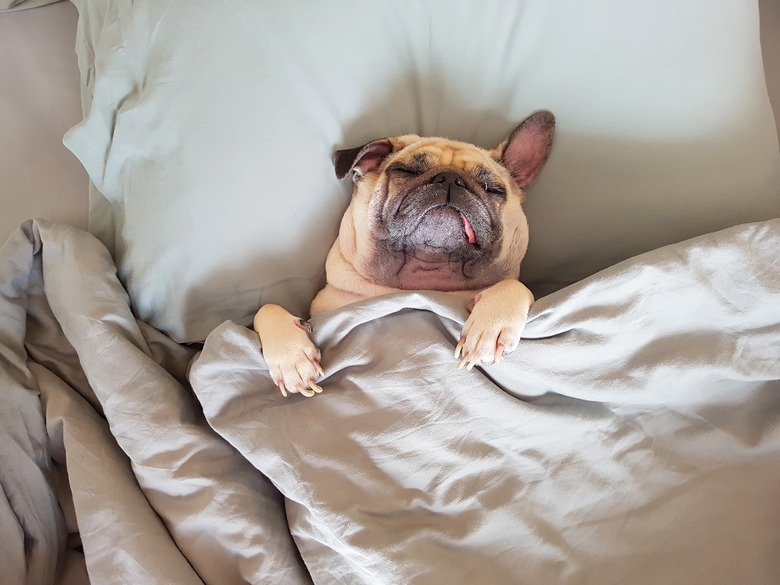 Why Does My Dog Growl While Sleeping Conclusion" loading="lazy" style="max-width:700px;width:100%;height:auto;border-radius:8px;">
What to Do If Your Dog Growls While Sleeping
If your dog growls while sleeping, there are a few things you can do to help them feel more comfortable and relaxed. First, make sure your dog has a comfortable and supportive place to sleep. Provide them with a soft, orthopedic bed or mattress that can help alleviate any pain or discomfort. You can also try providing a calming environment, such as a quiet room or a white noise machine, to help your dog relax.
Another thing you can try is to reduce your dog's stress and anxiety levels. If your dog is experiencing separation anxiety or noise phobia, you can try providing them with calming aids such as pheromone diffusers or calming treats. You can also try desensitizing your dog to the things that trigger their anxiety, such as loud noises or strangers.
In some cases, your dog's growling while sleeping might be a sign of a more serious issue, such as a sleep disorder or a neurological condition. If you're concerned about your dog's growling while sleeping, it's always best to consult with your veterinarian. They can help you determine the underlying cause of your dog's growling and provide guidance on how to manage their condition.
 My Dog Growl While Sleeping" loading="lazy" style="max-width:700px;width:100%;height:auto;border-radius:8px;">
Training Your Dog to Sleep More Soundly
While it's not possible to completely eliminate your dog's growling while sleeping, there are some things you can do to help them sleep more soundly. One thing you can try is to establish a consistent sleep schedule for your dog. This can help regulate their sleep patterns and reduce the likelihood of growling while sleeping.
You can also try providing your dog with plenty of exercise and mental stimulation during the day. This can help them feel more relaxed and calm at night, reducing the likelihood of growling while sleeping. Additionally, you can try providing your dog with a calming pre-sleep routine, such as a relaxing walk or a calming massage, to help them wind down before bed.
Finally, make sure your dog is getting enough sleep. Dogs need plenty of sleep to feel rested and relaxed, and if they're not getting enough sleep, they might be more prone to growling while sleeping. Aim for 12-14 hours of sleep per day, depending on your dog's age and breed. With a little patience and practice, you can help your dog sleep more soundly and reduce the likelihood of growling while sleeping.
Conclusion
Growling while sleeping can be a concerning behavior in dogs, but it's not always a cause for alarm. By understanding the reasons behind your dog's growling, you can take steps to help them feel more comfortable and relaxed. Whether it's providing a comfortable sleeping environment, reducing stress and anxiety, or establishing a consistent sleep schedule, there are many things you can do to help your dog sleep more soundly.
Remember, every dog is different, and what works for one dog might not work for another. If you're concerned about your dog's growling while sleeping, it's always best to consult with your veterinarian. They can help you determine the underlying cause of your dog's growling and provide guidance on how to manage their condition. With a little patience, love, and care, you can help your dog sleep more soundly and reduce the likelihood of growling while sleeping.