
As a dog owner, it's natural to want to share your food with your furry friend, but the truth is, many human foods can be toxic to dogs. While it might be tempting to give your dog a bite of your favorite snack or meal, it's essential to know which foods are safe and which ones can harm your pet. In this article, we'll explore the most common foods that are toxic to dogs, and what you can do to keep your furry friend safe.
Introduction to Toxic Foods
Dogs have different metabolisms and digestive systems than humans, which means they can't process certain foods in the same way. Some foods, even in small amounts, can cause vomiting, diarrhea, and other symptoms, while others can lead to more severe health issues, such as kidney failure or even death. It's crucial to educate yourself on which foods are toxic to dogs to avoid any potential harm.
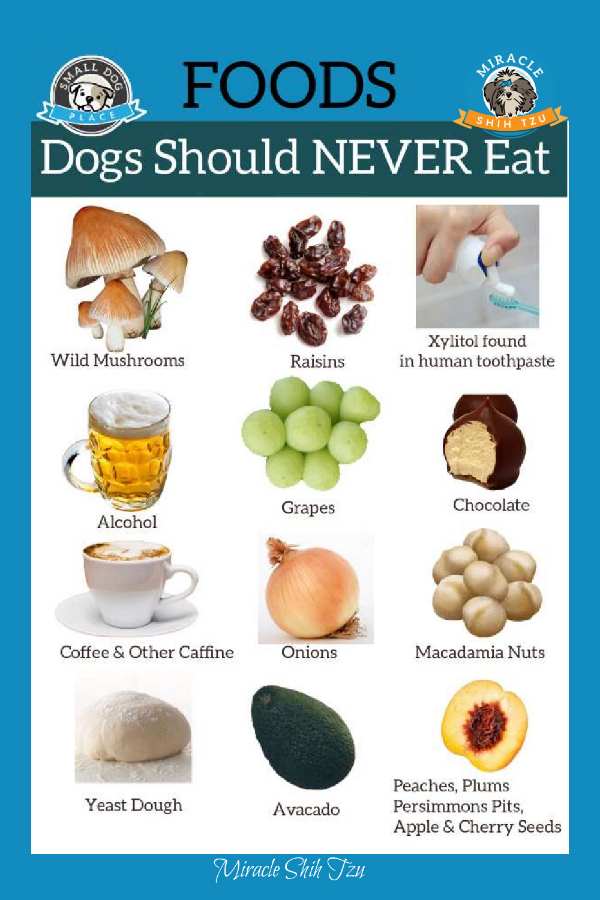
One of the most common culprits is chocolate. Chocolate contains a compound called theobromine, which can be toxic to dogs. The darker the chocolate, the more toxic it is.

Other Common Toxic Foods
In addition to chocolate, there are several other foods that are toxic to dogs. Grapes and raisins, for example, can cause kidney failure in dogs, and even small amounts can be toxic. Onions and garlic, which belong to the Allium family, can damage a dog's red blood cells, leading to anemia. Macadamia nuts can cause weakness, depression, and tremors in dogs, while avocado can cause vomiting and diarrhea. Xylitol, a sugar substitute commonly used in sugar-free gum and candy, can cause a rapid drop in blood sugar and even liver failure in dogs.
Caffeine is another substance that can be toxic to dogs. Like theobromine, caffeine can increase heart rate and cause other symptoms such as vomiting and diarrhea.
:max_bytes(150000):strip_icc()/toxic-foods-for-dogs-744320e61e0742a7aadfa7a643917826.png)
Less Common Toxic Foods
While the above foods are the most common culprits, there are several other foods that can be toxic to dogs. Yeast dough, for example, can rise in a dog's stomach, causing bloating and discomfort.
It's also important to note that some foods can cause allergic reactions or intolerances in dogs. Common culprits include dairy products, soy, and wheat. If your dog has a food allergy or intolerance, it's essential to work with your veterinarian to develop a diet plan that meets their needs.

What to Do If Your Dog Ingests Toxic Food
If you suspect your dog has ingested toxic food, it's essential to act quickly. The first step is to remain calm and contact your veterinarian or a pet poison hotline, such as the ASPCA's Animal Poison Control Center (APCC). They can provide you with guidance on what to do next and help you determine the best course of action.
Depending on the type and amount of food your dog has ingested, your veterinarian may recommend inducing vomiting or administering activated charcoal to help absorb the toxin. In severe cases, hospitalization may be necessary to provide supportive care, such as intravenous fluids and monitoring.
Prevention is Key
The best way to keep your dog safe is to prevent them from accessing toxic foods in the first place. Here are some tips to help you dog-proof your kitchen and home: keep all toxic foods out of reach, use baby gates or pet gates to restrict access to certain areas, and supervise your dog at all times.

By being aware of the foods that are toxic to dogs and taking steps to prevent access, you can help keep your furry friend safe and healthy. Remember, it's always better to err on the side of caution when it comes to your dog's health, and if in doubt, consult with your veterinarian for advice.
Conclusion
In conclusion, there are many foods that are toxic to dogs, and it's essential to be aware of them to keep your furry friend safe. By knowing which foods to avoid and taking steps to prevent access, you can help prevent accidents and ensure your dog lives a long and healthy life. Remember, your dog's health is in your hands, and with a little knowledge and caution, you can help them thrive. [IMAGE] If you have any concerns or questions about your dog's diet or health, always consult with your veterinarian for advice.