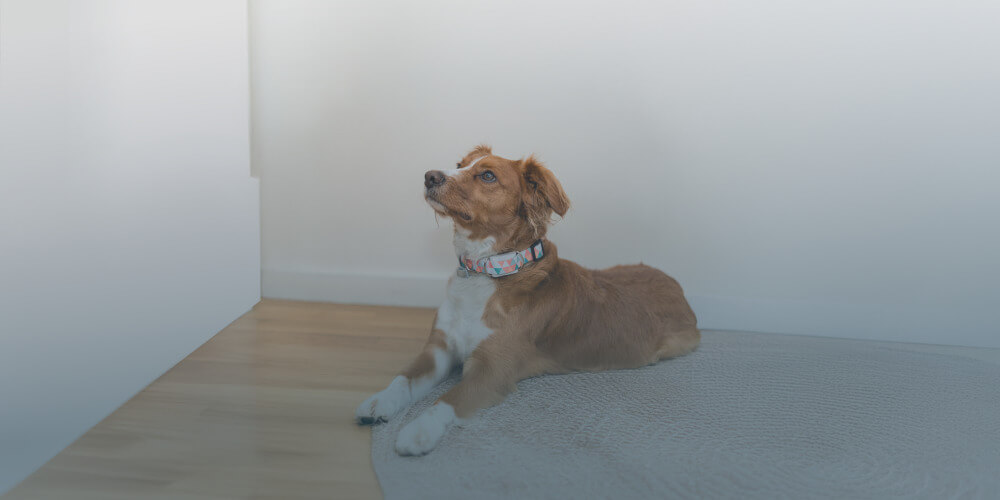
As a dog owner, it can be quite frustrating and concerning to see your furry friend walking around restlessly, unable to settle down. You've probably tried everything to calm them down, from giving them treats to taking them for a walk, but nothing seems to work. If you're wondering why your dog is exhibiting this behavior, you're not alone. In this article, we'll delve into the possible reasons behind your dog's restless walking and provide you with some valuable insights and tips to help you address the issue.
Understanding Canine Behavior
Dogs are creatures of habit and routine, and they thrive on structure and predictability. When their routine is disrupted or they're experiencing some sort of discomfort, they can become restless and anxious. Restless walking, also known as pacing, is a common behavior in dogs that can be caused by a variety of factors, including medical issues, anxiety, boredom, and even attention-seeking. To understand why your dog is walking around restlessly, it's essential to observe their behavior and look for any underlying patterns or triggers.
 Why Does My Dog Walk Around Restlessly Understanding Canine Behavior" loading="lazy" style="max-width:700px;width:100%;height:auto;border-radius:8px;">
Medical Issues
In some cases, restless walking in dogs can be a sign of an underlying medical issue. For example, dogs with arthritis or other joint problems may pace back and forth due to discomfort or pain. Similarly, dogs with gastrointestinal issues, such as inflammatory bowel disease, may exhibit restless behavior due to abdominal pain or discomfort. If you suspect that your dog's restless walking is related to a medical issue, it's crucial to consult with your veterinarian to rule out any underlying health problems. Your vet can perform a physical examination, take a complete medical history, and run diagnostic tests to determine the cause of your dog's behavior.
Common Medical Causes of Restless Walking in Dogs
Some common medical causes of restless walking in dogs include:
Arthritis or other joint problems
Gastrointestinal issues, such as inflammatory bowel disease
Urinary tract infections or other urinary problems
Pain or discomfort due to injury or surgery
Neurological disorders, such as epilepsy or cognitive dysfunction syndrome
 Does My Dog Walk Around Restlessly Anxiety and Stress" loading="lazy" style="max-width:700px;width:100%;height:auto;border-radius:8px;">
Anxiety and Stress
Anxiety and stress are common causes of restless walking in dogs. Dogs can become anxious or stressed due to a variety of factors, including changes in their environment, separation from their owners, or even loud noises. If your dog is experiencing anxiety or stress, they may exhibit restless behavior, such as pacing, panting, or whimpering. To address anxiety-related restless walking, you can try providing your dog with a calm and comfortable environment, using pheromone therapy, or even consulting with a professional dog trainer or behaviorist.
Boredom and Lack of Stimulation
Dogs need mental and physical stimulation to stay happy and healthy. If your dog is not getting enough exercise, playtime, or mental stimulation, they may become bored and restless. Bored dogs may pace back and forth, chew on furniture, or even engage in destructive behavior. To prevent boredom-related restless walking, you can try providing your dog with more exercise, playtime, and mental stimulation. This can include activities such as obedience training, agility training, or even simply playing fetch in the backyard.
 Why Does My Dog Walk Around Restlessly Attention Seeking Behavior" loading="lazy" style="max-width:700px;width:100%;height:auto;border-radius:8px;">
Providing Mental Stimulation for Your Dog
Providing mental stimulation for your dog can be as simple as hiding treats or toys around the house, creating a scavenger hunt, or even teaching your dog new tricks. You can also try providing your dog with puzzle toys filled with treats or interactive games that challenge their problem-solving skills. By providing your dog with mental stimulation, you can help reduce boredom and restless behavior, and keep them happy and engaged.
Attention-Seeking Behavior
In some cases, restless walking in dogs can be an attention-seeking behavior. Dogs may pace back and forth or exhibit other restless behaviors to get attention from their owners. If you're giving your dog attention when they're exhibiting restless behavior, you may be inadvertently reinforcing the behavior. To address attention-seeking restless walking, you can try ignoring the behavior and only giving your dog attention when they're calm and relaxed.

Training Your Dog to Relax
Training your dog to relax and calm down can be a challenging task, but it's essential to address restless walking behavior. You can start by teaching your dog the "settle" command, which involves having them sit or lie down calmly. You can also try using calming aids, such as pheromone diffusers or calming music, to help your dog relax. By training your dog to relax and calm down, you can help reduce restless behavior and create a more peaceful and calm environment.
In conclusion, restless walking in dogs can be caused by a variety of factors, including medical issues, anxiety, boredom, and attention-seeking behavior. By understanding the underlying causes of your dog's restless walking, you can take steps to address the issue and provide your dog with a more comfortable and calm environment. Whether it's providing more exercise and mental stimulation, addressing anxiety and stress, or training your dog to relax, there are many ways to help your dog overcome restless walking behavior. With patience, persistence, and the right approach, you can help your dog feel more calm and relaxed, and reduce restless walking behavior.