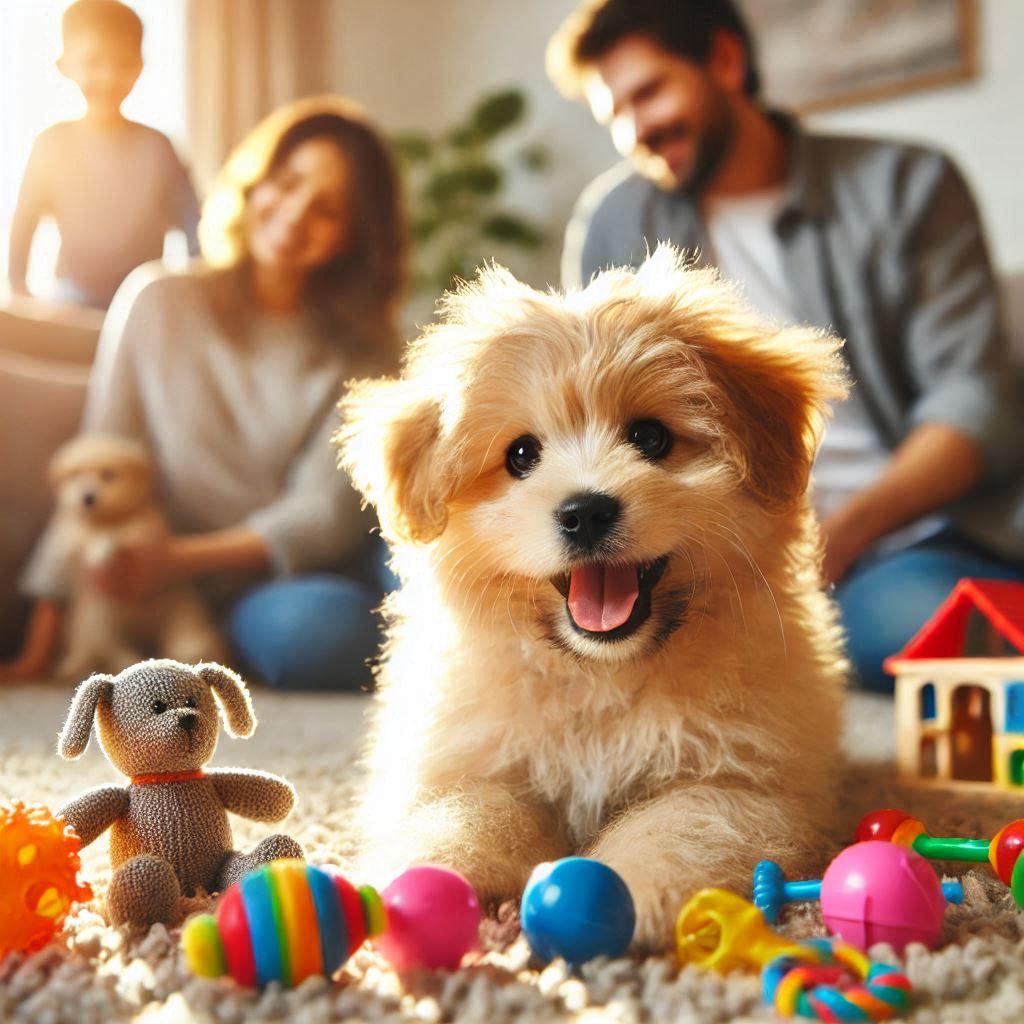
As a dog owner, you're probably no stranger to the sensation of your furry friend pawing at you. Whether it's to initiate play, seek attention, or even ask for food, pawing is a common behavior in dogs. But have you ever stopped to think about why your dog is pawing at you in the first place? In this article, we'll delve into the reasons behind this behavior and explore what it might mean for your relationship with your dog.
Understanding Canine Communication
Dogs communicate in a variety of ways, including through body language, vocalizations, and physical contact. Pawing is a form of physical contact that can be used to convey a range of emotions and needs. By understanding the different contexts in which your dog paws at you, you can gain a better insight into what they're trying to tell you. For example, if your dog paws at you when you're sitting on the couch, they might be trying to initiate play or get your attention. On the other hand, if they paw at you during a walk, they might be trying to guide you towards something interesting or ask for help.
 Does My Dog Paw at Me Understanding Canine Communication" loading="lazy" style="max-width:700px;width:100%;height:auto;border-radius:8px;">
The Role of Instinct
In the wild, dogs use pawing as a way to communicate with their pack members and establish social bonds. This instinctual behavior is still present in domesticated dogs, who may use pawing to initiate play, comfort, or reassurance. For example, a dog may paw at its owner's leg to initiate a game of fetch or to ask for belly rubs. This behavior is often accompanied by other signs of affection, such as wagging tails or leaning against their owner. By recognizing the instinctual roots of pawing, you can better understand why your dog is exhibiting this behavior and respond in a way that meets their needs.
It's also worth noting that some breeds are more prone to pawing due to their instinctual behaviors. For example, herding breeds like Border Collies or Australian Shepherds may use pawing to guide or direct their owners, while hunting breeds like Labradors or Golden Retrievers may use pawing to initiate play or retrieve items. By understanding the breed-specific characteristics of your dog, you can tailor your response to their unique needs and personality.
Pawing as a Form of Attention-Seeking
Let's face it: dogs love attention, and pawing is one way they can get it. If your dog is pawing at you excessively, it may be because they're seeking attention or affirmation. This can be especially true if your dog is bored, anxious, or stressed. By recognizing the attention-seeking aspect of pawing, you can take steps to address the underlying issue and provide your dog with the attention they need in a more constructive way. For example, you can try engaging your dog in play or providing them with puzzle toys filled with treats.
 Why Does My Dog Paw at Me The Importance of Context" loading="lazy" style="max-width:700px;width:100%;height:auto;border-radius:8px;">
It's also important to be aware of the potential downsides of attention-seeking behavior. If your dog is pawing at you excessively, it can become annoying or even painful. By setting clear boundaries and ignoring the behavior when it becomes excessive, you can help your dog learn more appropriate ways of seeking attention. This may involve ignoring the pawing behavior and only responding when your dog uses a more acceptable form of communication, such as sitting or lying down calmly.
The Importance of Context
Context is key when it comes to understanding why your dog is pawing at you. By considering the situation and environment in which the pawing is occurring, you can gain a better insight into what your dog is trying to communicate. For example, if your dog paws at you during a thunderstorm, they may be seeking comfort or reassurance. On the other hand, if they paw at you during a walk, they may be trying to initiate play or explore their surroundings.

It's also important to consider the physical and emotional state of your dog when they're pawing at you. If your dog is tired, hungry, or in pain, they may be more likely to paw at you due to discomfort or frustration. By addressing these underlying issues and providing your dog with the care and comfort they need, you can help reduce the frequency and intensity of pawing behavior.
Responding to Pawing Behavior
So, how should you respond when your dog paws at you? The answer depends on the context and your dog's individual needs. If your dog is pawing at you to initiate play, you can respond by engaging in a game of fetch or tug-of-war. If they're pawing at you for attention, you can try providing them with a treat or toy to distract them from the behavior. If they're pawing at you due to anxiety or stress, you can try providing them with comfort and reassurance, such as gentle petting or soothing music.
It's also important to set clear boundaries and ignore the behavior when it becomes excessive. By doing so, you can help your dog learn more appropriate ways of communicating their needs and wants. This may involve ignoring the pawing behavior and only responding when your dog uses a more acceptable form of communication, such as sitting or lying down calmly.
Training and Socialization
Training and socialization are critical components of addressing pawing behavior in dogs. By teaching your dog basic obedience commands, such as "sit" and "stay," you can help them learn more appropriate ways of communicating their needs and wants. Socialization is also essential, as it helps your dog become confident and calm in a variety of situations and environments. By exposing your dog to new people, places, and experiences, you can help them develop better coping mechanisms and reduce the frequency and intensity of pawing behavior.

It's also worth noting that training and socialization should be tailored to your dog's individual needs and personality. For example, if your dog is fearful or anxious, you may need to take a more gradual and gentle approach to socialization. On the other hand, if your dog is confident and outgoing, you may be able to take a more energetic and playful approach to training and socialization.
Conclusion
In conclusion, pawing is a complex behavior that can have a range of meanings and motivations. By understanding the instinctual roots of pawing, recognizing the role of attention-seeking, and considering the context and physical and emotional state of your dog, you can gain a better insight into why your dog is pawing at you. By responding in a way that meets their needs and wants, you can help strengthen your bond with your dog and reduce the frequency and intensity of pawing behavior. Remember to always prioritize training and socialization, and to tailor your approach to your dog's individual needs and personality.
By following these tips and guidelines, you can help your dog become a more confident, calm, and well-behaved companion. And who knows: you may even find that the pawing behavior becomes less frequent and intense over time, as your dog learns more appropriate ways of communicating their needs and wants. So, the next time your dog paws at you, take a moment to consider what they might be trying to tell you – and respond in a way that strengthens your bond and deepens your understanding of each other.