
As a dog owner, you've probably noticed that your furry friend shakes from time to time. It's not just a simple twitch, but a full-body shake that can be quite amusing to watch. But have you ever wondered why dogs shake so frequently? Is it just a natural behavior, or is there something more to it? In this article, we'll delve into the world of canine behavior and explore the reasons behind this fascinating phenomenon.
Introduction to Canine Shaking
Dogs shake for a variety of reasons, and it's essential to understand that shaking is a natural behavior for them. It's not just a sign of excitement or anxiety, but a complex behavior that can be triggered by various stimuli. From the way they shake off water after a bath to the way they tremble with fear during a thunderstorm, shaking is an integral part of a dog's language. So, let's dive deeper into the world of canine shaking and explore the reasons behind this fascinating behavior.
Reasons for Shaking
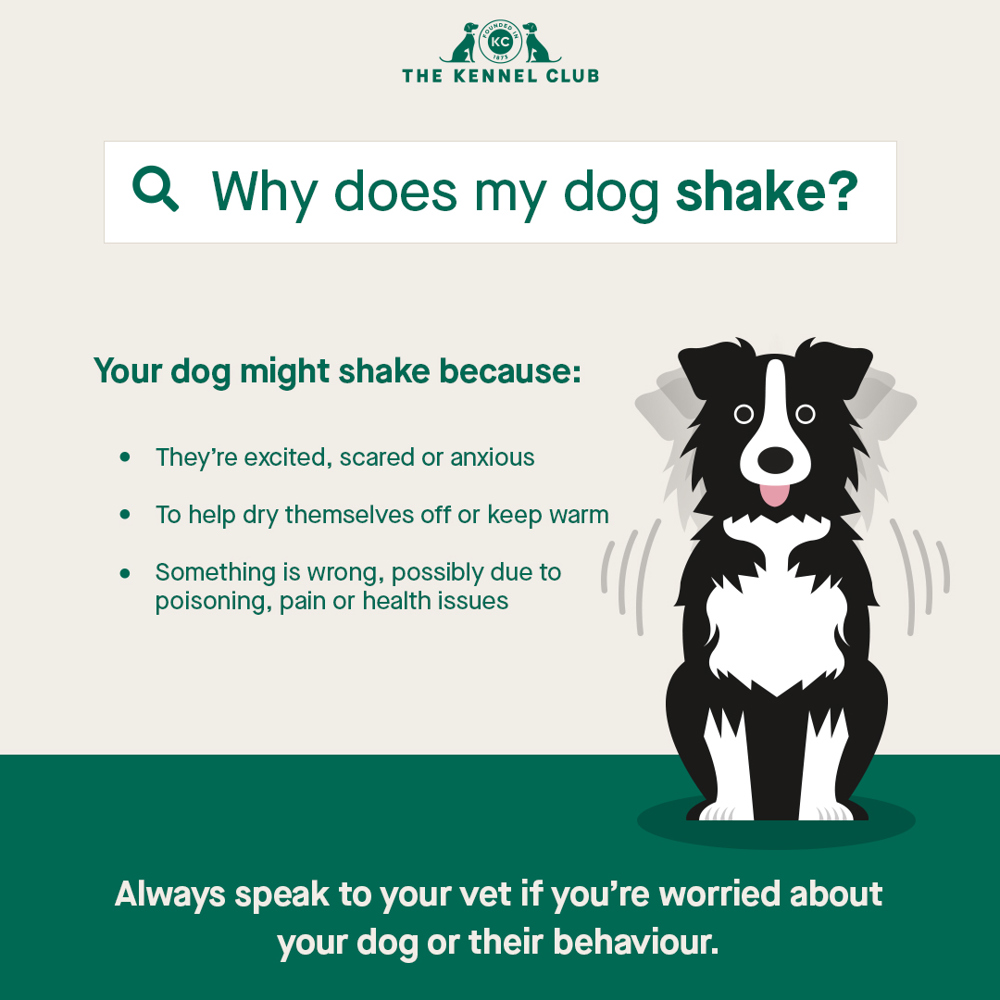
There are several reasons why dogs shake, and it's not just limited to one or two causes. Here are some of the most common reasons why dogs shake: anxiety, fear, excitement, cold, and even medical issues. Yes, you read that right - medical issues! Some dogs may shake due to underlying health problems, such as hypothyroidism, arthritis, or even neurological disorders. It's crucial to rule out any medical issues if your dog is shaking excessively or frequently.
Anxiety and fear are two of the most common reasons why dogs shake. If your dog is exposed to a new environment, person, or object, they may feel anxious or fearful, leading to shaking. This is especially true for dogs that are prone to separation anxiety or have a history of trauma. Excitement is another reason why dogs shake, especially when they're playing or anticipating something fun, like a walk or a treat.
The Role of Emotions
Emotions play a significant role in canine shaking. Dogs are highly emotional creatures, and their emotions can trigger a range of behaviors, including shaking. If your dog is feeling anxious, fearful, or excited, they may shake to release tension or pent-up energy. This is why it's essential to understand your dog's emotional state and provide them with a stable and comforting environment.

Shaking can also be a way for dogs to self-soothe and calm themselves down. Just like humans, dogs can feel overwhelmed by their emotions, and shaking can be a way to release tension and relax. This is why you may notice your dog shaking after a stressful event or situation, such as a trip to the vet or a loud noise.
Physical Factors
Physical factors can also contribute to canine shaking. For example, if your dog is cold, they may shake to generate heat and warm themselves up. This is especially true for short-haired breeds or dogs that are prone to hypothermia. Medical issues, such as pain or discomfort, can also cause dogs to shake. If your dog is experiencing pain or discomfort, they may shake to try and alleviate their symptoms.

Age can also play a role in canine shaking. Senior dogs may shake due to age-related issues, such as arthritis or cognitive decline. As dogs age, their physical abilities may decline, leading to shaking or tremors. This is why it's essential to provide your senior dog with a comfortable and supportive environment, including regular veterinary check-ups and a balanced diet.
Body Language
Body language is a crucial aspect of canine communication, and shaking can be an essential part of a dog's body language. When dogs shake, they're communicating their emotional state, needs, and intentions. For example, a dog that's shaking with fear may tuck their tail, lower their head, and avoid eye contact. On the other hand, a dog that's shaking with excitement may wag their tail, raise their head, and initiate play.
Understanding canine body language is essential for building a strong bond with your dog. By recognizing your dog's emotional state and needs, you can provide them with the support and care they need to thrive. This includes recognizing when your dog is shaking due to anxiety, fear, or excitement, and responding accordingly.

Conclusion
In conclusion, canine shaking is a complex behavior that can be triggered by a range of factors, including emotions, physical factors, and medical issues. By understanding the reasons behind your dog's shaking, you can provide them with the support and care they need to thrive. Whether it's providing a comfortable environment, addressing medical issues, or simply being present for your dog, you can make a significant difference in their life.
Remember, every dog is unique, and what works for one dog may not work for another. By being patient, understanding, and attentive to your dog's needs, you can build a strong bond with them and provide them with a happy, healthy life. So, the next time you notice your dog shaking, take a moment to understand what they're trying to communicate, and respond with love, care, and compassion.