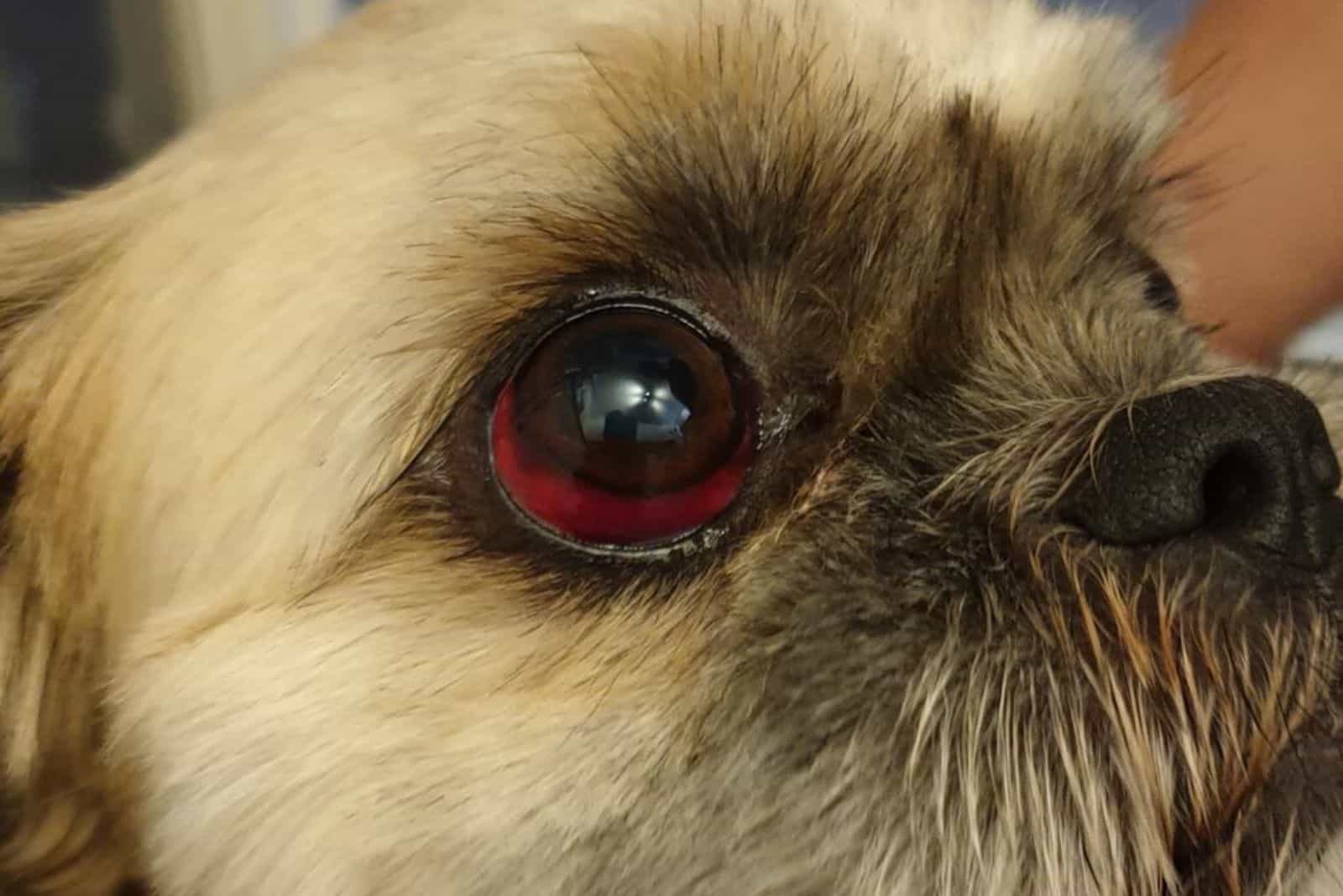
As a dog owner, you've probably noticed that your furry friend's eyes can sometimes appear red or bloodshot. This can be a bit alarming, especially if you're not sure what's causing it. But don't worry, red eyes in dogs are more common than you think, and in most cases, it's not a cause for concern. In this article, we'll delve into the world of canine ophthalmology and explore the reasons why dogs have red eyes.
What Causes Red Eyes in Dogs?
There are several reasons why your dog's eyes might appear red. One of the most common causes is conjunctivitis, also known as pinkeye. This is a highly contagious infection that can be caused by a virus, bacteria, or even allergies. When your dog has conjunctivitis, the conjunctiva, which is the thin membrane that covers the white part of the eye and the inside of the eyelids, becomes inflamed, leading to redness and discharge.

Another possible cause of red eyes in dogs is dry eye syndrome, also known as keratoconjunctivitis sicca. This is a condition where the eyes don't produce enough tears, leading to dryness and irritation. Dry eye syndrome can be caused by a variety of factors, including genetics, age, and certain medical conditions. If your dog has dry eye syndrome, you might notice that their eyes appear red and inflamed, and they might also have a discharge or a crusty buildup around the eyes.
Other Possible Causes
In addition to conjunctivitis and dry eye syndrome, there are several other possible causes of red eyes in dogs. These include allergies, which can cause the eyes to become itchy and inflamed; foreign bodies, such as dirt or debris, that can get stuck in the eye; and even injuries, such as scratches or punctures, that can cause bleeding and inflammation. In some cases, red eyes in dogs can also be a sign of a more serious underlying condition, such as glaucoma or uveitis.
:strip_icc()/eye-injuries-in-dogs-4126601_FINAL-72f2dceea1bc4fbcb42dd57f24791e04.jpg)
It's also worth noting that some breeds are more prone to red eyes than others. For example, brachycephalic breeds, such as Pugs and Bulldogs, are more likely to experience eye problems due to their shallow eye sockets and short noses. Similarly, breeds with long hair around the eyes, such as Afghan Hounds and Old English Sheepdogs, are more likely to experience eye irritation and redness due to the hair getting in their eyes.
The Importance of Eye Care
Regardless of the cause, it's essential to take your dog's eye health seriously. Red eyes can be a sign of a more serious underlying condition, and if left untreated, can lead to complications such as vision loss or even blindness. That's why it's crucial to keep an eye on your dog's eye health and seek veterinary attention if you notice any signs of redness, discharge, or irritation.

So, what can you do to keep your dog's eyes healthy? For starters, make sure to clean their eyes regularly, using a damp cloth to wipe away any dirt or debris. You should also keep an eye out for any signs of redness or irritation, and seek veterinary attention if you notice anything unusual. Additionally, consider adding an omega-3 supplement to your dog's diet, as these fatty acids have been shown to support eye health and reduce inflammation.
In some cases, your veterinarian might recommend a course of treatment, such as antibiotics or anti-inflammatory medication, to help clear up the infection or reduce inflammation. In more severe cases, surgery might be necessary to correct any underlying issues or repair any damage to the eye.

Preventing Red Eyes in Dogs
While it's not always possible to prevent red eyes in dogs, there are several steps you can take to reduce the risk. For example, make sure to keep your dog's eyes clean, and avoid touching or rubbing their eyes, as this can spread infection and cause irritation. You should also keep your dog up to date on their vaccinations, as some viral infections can cause conjunctivitis and other eye problems.
In addition, consider using a humidifier in your home, especially during the dry winter months, to help keep the air moist and reduce the risk of dry eye syndrome. You should also avoid exposing your dog to strong winds or harsh chemicals, as these can cause eye irritation and dryness.
Finally, make sure to provide your dog with a balanced and nutritious diet, as a healthy diet can help support eye health and reduce the risk of eye problems. Consider adding foods rich in omega-3 fatty acids, such as salmon or flaxseed, to your dog's diet, as these have been shown to support eye health and reduce inflammation.
Conclusion
In conclusion, red eyes in dogs are a common occurrence, and in most cases, it's not a cause for concern. However, it's essential to take your dog's eye health seriously and seek veterinary attention if you notice any signs of redness, discharge, or irritation. By keeping an eye on your dog's eye health, providing regular care and maintenance, and seeking veterinary attention when needed, you can help keep your furry friend's eyes healthy and happy for years to come.
Remember, your dog's eyes are a vital part of their overall health and well-being, and by taking the necessary steps to protect and care for them, you can help ensure that your furry friend lives a long and healthy life. So, next time you notice your dog's eyes appear red or inflamed, don't panic – just take a deep breath, grab a damp cloth, and get ready to give your furry friend the eye care they deserve.