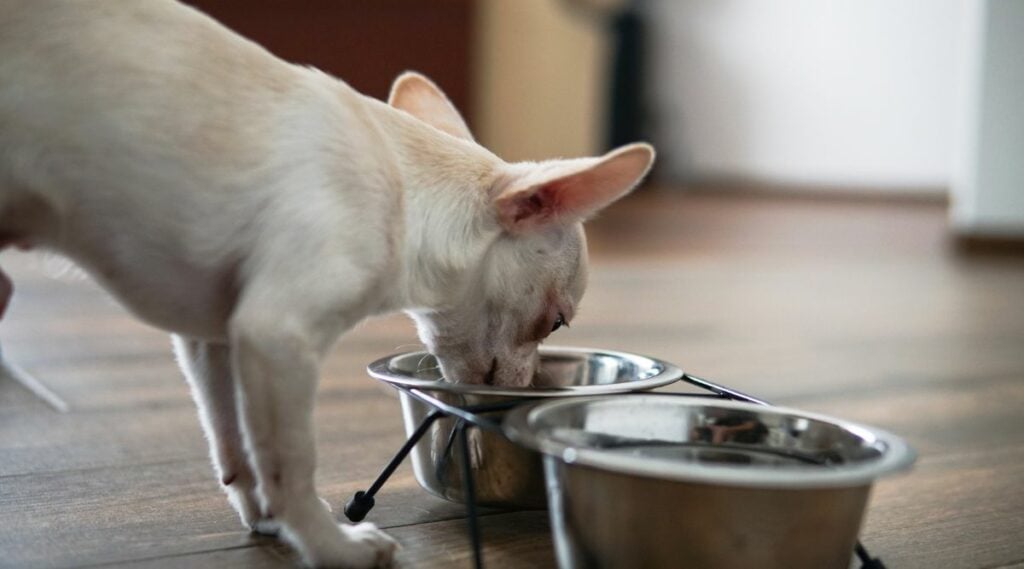
As a Chihuahua owner, one of the most important decisions you'll make for your pet's health and well-being is what to feed them. With their tiny stomachs and high metabolisms, Chihuahuas require a diet that's tailored to their specific needs. In this article, we'll take a closer look at the best foods for Chihuahuas at different stages of their lives, from puppyhood to adulthood. Whether you're a new owner or a seasoned pro, this Chihuahua feeding guide by age will help you make informed decisions about your pet's nutrition.
Introduction to Chihuahua Nutrition
Before we dive into the specifics of feeding your Chihuahua, it's essential to understand the basics of their nutritional needs. Chihuahuas are carnivores, which means they thrive on a diet rich in protein and fat. They also require a balance of vitamins and minerals to stay healthy, including calcium, phosphorus, and vitamin D. As a general rule, Chihuahuas need to eat food that's high in calories and nutrients, but low in fillers and by-products.
 Feeding Guide by Age Introduction to Chihuahua Nutrition" loading="lazy" style="max-width:700px;width:100%;height:auto;border-radius:8px;">
Puppyhood (0-12 months)
The first year of a Chihuahua's life is a critical period of growth and development. During this time, they need a diet that's rich in protein, fat, and complex carbohydrates. Puppy food for Chihuahuas should have a minimum of 25% protein on a dry matter basis, with named animal sources like chicken, beef, or lamb. It's also essential to choose a food that's formulated specifically for small breeds, as these recipes are designed to meet their unique nutritional needs. Some good options for Chihuahua puppies include Orijen Puppy Food, Acana Puppy Food, and Blue Buffalo Life Protection Formula Puppy Food.
When it comes to feeding your Chihuahua puppy, it's crucial to establish a regular schedule. Divide your puppy's daily ration into 3-4 meals until they're about six months old, then gradually switch to twice a day. Be sure to monitor your puppy's weight and adjust their food intake accordingly. Overfeeding can lead to obesity, which is a significant health risk for Chihuahuas.

Adolescence (1-2 years)
As your Chihuahua enters adolescence, their nutritional needs begin to shift. They still require a high-protein diet, but their calorie requirements decrease slightly. During this stage, it's essential to continue feeding a high-quality food that's formulated for small breeds. However, you may need to adjust the amount of food you're feeding to prevent overfeeding.
Some good options for adolescent Chihuahuas include Hill's Science Diet Small & Toy Breed Dog Food, Royal Canin Chihuahua Adult Dog Food, and Wellness Core Grain-Free Small Breed Dog Food. These recipes are designed to meet the unique nutritional needs of small breeds, with a focus on maintaining a healthy weight and supporting overall health.

Adulthood (2-7 years)
Once your Chihuahua reaches adulthood, their nutritional needs become more stable. They still require a high-protein diet, but their calorie requirements decrease further. At this stage, it's essential to choose a food that's formulated for adult small breeds, with a focus on maintaining a healthy weight and supporting overall health.
Some good options for adult Chihuahuas include Taste of the Wild High Prairie Adult Dog Food, Merrick Grain-Free Small Breed Adult Dog Food, and Nutro Ultra Small Breed Adult Dog Food. These recipes are designed to meet the unique nutritional needs of small breeds, with a focus on maintaining a healthy weight and supporting overall health. Be sure to monitor your Chihuahua's weight and adjust their food intake accordingly, as overfeeding can lead to obesity and other health problems.
Senior Years (8+ years)
As your Chihuahua enters their senior years, their nutritional needs change once again. They may require fewer calories, but their need for protein and other nutrients remains high. During this stage, it's essential to choose a food that's formulated specifically for senior small breeds, with a focus on supporting joint health and cognitive function.
Some good options for senior Chihuahuas include Hill's Science Diet Small & Toy Breed Senior Dog Food, Royal Canin Chihuahua Senior Dog Food, and Purina Pro Plan Senior Small Breed Dog Food. These recipes are designed to meet the unique nutritional needs of senior small breeds, with a focus on supporting joint health and cognitive function. Be sure to monitor your Chihuahua's weight and adjust their food intake accordingly, as overfeeding can lead to obesity and other health problems.

Treats and Snacks
While your Chihuahua's main meals should be nutritionally balanced, it's also important to consider the role of treats and snacks in their diet. Treats can be a great way to reward good behavior, but they should be given in moderation. Choose low-calorie, nutrient-rich treats like baby carrots, green beans, or air-dried liver snacks. Avoid giving your Chihuahua table scraps, as these can be high in fat and calories and may disrupt their balanced diet.
It's also essential to consider the size of the treats you're giving your Chihuahua. Small breeds can easily choke on large treats, so it's crucial to choose tiny, bite-sized morsels. You can also try making your own treats at home, using healthy ingredients like peanut butter, pumpkin, and oats. Just be sure to avoid adding any toxic ingredients, like chocolate or grapes, which can be harmful to your Chihuahua's health.
Conclusion
Feeding your Chihuahua a balanced, nutritious diet is essential for their health and well-being. By following this Chihuahua feeding guide by age, you can make informed decisions about your pet's nutrition and help them thrive. Remember to choose high-quality foods that are formulated specifically for small breeds, and to monitor your Chihuahua's weight and adjust their food intake accordingly. With the right nutrition and care, your Chihuahua can live a long, happy, and healthy life.
As a final note, it's always a good idea to consult with your veterinarian before making any changes to your Chihuahua's diet. They can help you determine the best food for your pet based on their individual needs and health status. By working together with your veterinarian and following this Chihuahua feeding guide, you can give your pet the best possible start in life and help them thrive for years to come.