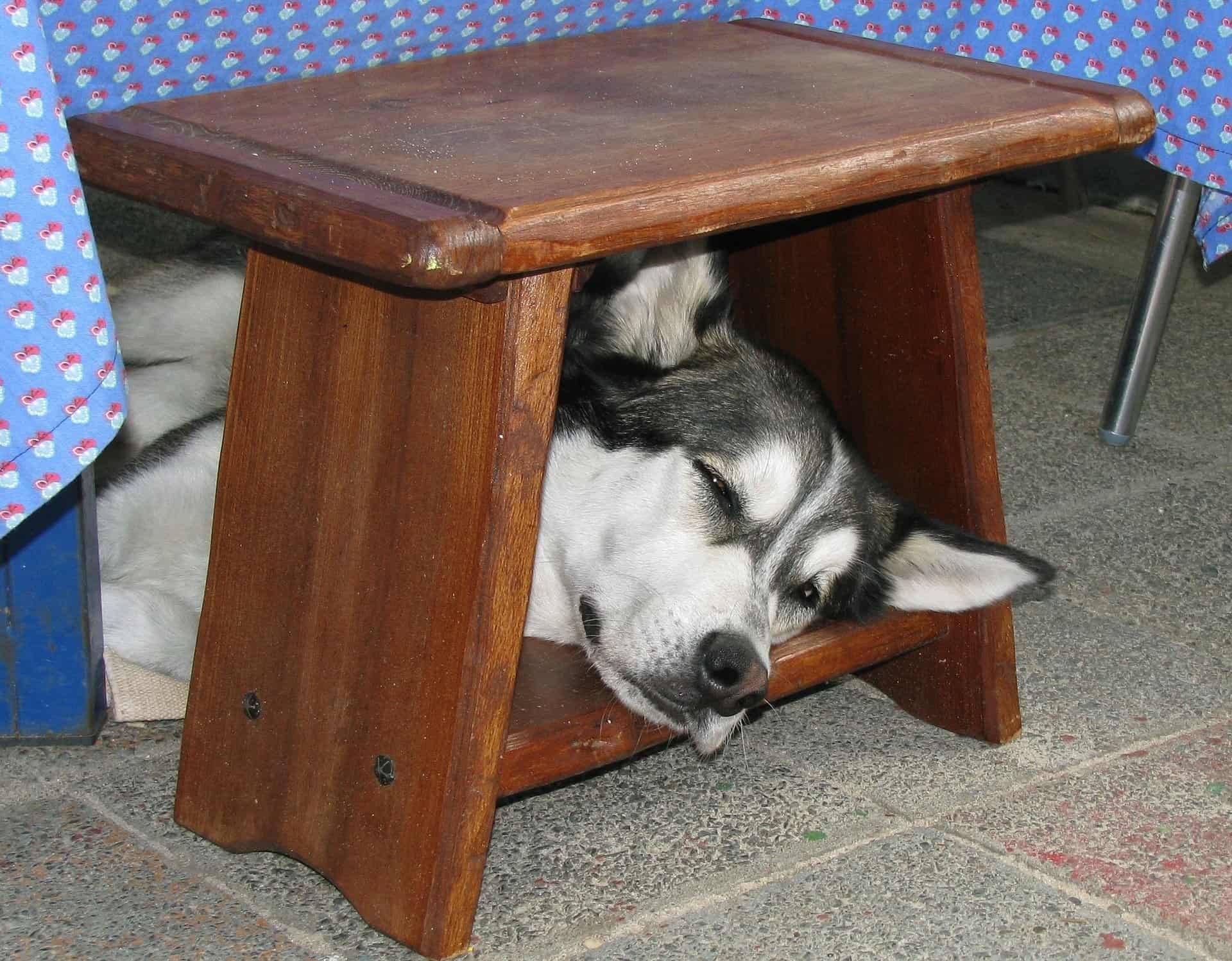
As a dog owner, there's nothing more puzzling than seeing your furry friend hide in corners, especially when they seem to be enjoying themselves just moments before. You might be wondering, why does my dog hide in corners? Is it a sign of anxiety, fear, or something else entirely? In this article, we'll delve into the possible reasons behind this behavior and explore ways to address it.
Understanding Canine Behavior
To understand why dogs hide in corners, we need to look at their natural behavior and instincts. In the wild, dogs often use hiding and seeking as a way to survive, whether it's to avoid predators or sneak up on prey. This behavior is deeply ingrained in their DNA, and it's not uncommon for domesticated dogs to exhibit similar traits. However, when your dog starts hiding in corners, it's essential to consider the context and potential triggers.
 Does My Dog Hide in Corners Understanding Canine Behavior" loading="lazy" style="max-width:700px;width:100%;height:auto;border-radius:8px;">
Reasons for Hiding in Corners
So, why does your dog hide in corners? Here are some possible reasons:
- Fear and anxiety: Loud noises, new environments, or unfamiliar people can cause your dog to feel anxious or scared, leading them to seek comfort in a quiet, enclosed space.
- Overstimulation: If your dog is overwhelmed by their surroundings, they might hide in corners to escape the sensory overload.
- Medical issues: Pain, discomfort, or underlying medical conditions can cause your dog to hide or become withdrawn.
- Attention seeking: Some dogs might hide in corners as a way to get attention from their owners, especially if they've learned that this behavior gets a reaction.
Recognizing the Signs
It's crucial to recognize the signs that your dog is hiding in corners due to anxiety or fear. These signs can include:
- Tail tucking or lowered posture
- Avoiding eye contact
- Panting or yawning
- Pacing or restlessness
- Whining or whimpering
If you notice any of these signs, it's essential to address the underlying issue and provide your dog with a safe and comfortable environment.
 Why Does My Dog Hide in Corners Addressing the Issue" loading="lazy" style="max-width:700px;width:100%;height:auto;border-radius:8px;">
Addressing the Issue
Now that we've explored the possible reasons behind your dog's behavior, let's look at ways to address it. Here are some tips to help your dog feel more comfortable and reduce their need to hide in corners:
- Provide a safe space: Create a quiet, cozy area where your dog can retreat when feeling overwhelmed.
- Gradual exposure: If your dog is hiding due to fear or anxiety, try gradual exposure to the trigger, starting from a safe distance.
- Positive reinforcement: Reward your dog for calm behavior, using treats and praise to reinforce positive habits.
- Desensitize and countercondition: Help your dog associate the trigger with positive outcomes, reducing their anxiety and fear response.
 Does My Dog Hide in Corners Conclusion" loading="lazy" style="max-width:700px;width:100%;height:auto;border-radius:8px;">
Creating a Comfortable Environment
Creating a comfortable environment is crucial in reducing your dog's need to hide in corners. Here are some tips to help you create a dog-friendly space:
- Minimize noise: Reduce loud noises, such as music or television, to create a peaceful atmosphere.
- Provide hiding spots: Offer your dog access to tunnels, tents, or crates, where they can retreat when feeling overwhelmed.
- Maintain a routine: Establish a regular routine, including feeding times, exercise, and play, to provide your dog with a sense of security and stability.
- Show affection: Spend quality time with your dog, engaging in activities they enjoy, to strengthen your bond and reduce anxiety.
Seeking Professional Help
In some cases, your dog's behavior may require professional help. If you've tried addressing the issue and your dog continues to hide in corners, it's essential to consult with a veterinarian, animal behaviorist, or dog trainer. They can help you identify the underlying cause and develop a customized plan to address it.

Conclusion
In conclusion, understanding why your dog hides in corners is essential in addressing the issue and providing them with a comfortable and safe environment. By recognizing the signs, addressing the underlying cause, and creating a dog-friendly space, you can help reduce your dog's need to hide in corners. Remember, every dog is unique, and it may take time and patience to resolve the issue. With the right approach and support, you can help your dog feel more confident and secure, reducing their need to hide in corners.