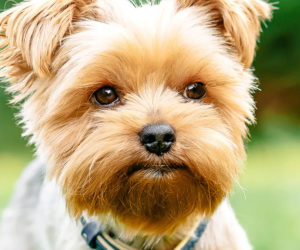
As a dog owner, you're probably no stranger to the frustration of dealing with mats in your furry friend's coat. Mats are tangled clumps of hair that can be painful for your dog and challenging to remove. But don't worry, with the right techniques and tools, you can learn how to remove mats from dog fur safely and effectively. In this article, we'll take a closer look at the causes of matting, the best methods for removing mats, and some tips for preventing them from forming in the first place.
Understanding Matting
Before we dive into the nitty-gritty of mat removal, it's essential to understand what causes matting in the first place. Mats can form for a variety of reasons, including shedding, tangling, and knotting. When your dog sheds, loose hair can become trapped in the undercoat, leading to mat formation. Additionally, if your dog has a coat that's prone to tangling or knotting, such as a curly or long-haired breed, mats are more likely to form. Regular grooming is crucial to prevent matting, but even with regular brushing, mats can still occur.

Types of Mats
There are several types of mats that can form in your dog's coat, including slip mats, grip mats, and dead hair mats. Slip mats are the most common type and occur when loose hair becomes tangled in the undercoat. Grip mats, on the other hand, are more severe and involve the matting of hair close to the skin. Dead hair mats are the most challenging to remove and occur when dead hair becomes trapped in the undercoat. Understanding the type of mat you're dealing with will help you determine the best removal method.
Tools of the Trade
When it comes to removing mats from dog fur, you'll need a few specialized tools. A slicker brush, pin brush, and mat breaker are essential for safely and effectively removing mats. A slicker brush is used to remove tangles and mats from the surface of the coat, while a pin brush is used to gently work out mats close to the skin. A mat breaker is a specialized tool designed specifically for removing severe mats and grip mats. You'll also need some patience, as mat removal can be a time-consuming process.

Removing Mats
Now that we've covered the basics, it's time to dive into the nitty-gritty of mat removal. The first step is to identify the mat and determine its type. If you're dealing with a slip mat, you can try using a slicker brush to gently work out the tangle. For more severe mats, you may need to use a pin brush or mat breaker to carefully tease out the mat. It's essential to work slowly and gently to avoid causing your dog discomfort or pain.
When using a mat breaker, it's crucial to be careful not to cut or pull your dog's hair. Instead, use the tool to gently tease out the mat, working from the end of the hair towards the skin. If the mat is particularly stubborn, you may need to use a combination of tools, such as a slicker brush and mat breaker, to remove it. Remember to reward your dog with treats and praise for their patience and cooperation.

Tips and Tricks
Removing mats from dog fur can be a challenging and time-consuming process, but there are a few tips and tricks that can make it easier. One of the most important things you can do is to brush your dog regularly, ideally daily, to prevent matting from occurring in the first place. You should also use the right tools for the job, such as a slicker brush, pin brush, and mat breaker. Additionally, consider using a detangling spray or conditioner to help make the mat removal process easier and less painful for your dog.
Another tip is to work in small sections, focusing on one mat at a time. This will help prevent your dog from becoming overwhelmed or anxious, and will also make the process less painful for them. You should also be patient and take your time, as mat removal can be a slow and laborious process. Remember to reward your dog with treats and praise for their patience and cooperation, and consider taking regular breaks to give them a chance to rest and relax.

Preventing Mats
While removing mats from dog fur can be a challenge, preventing them from forming in the first place is always the best approach. One of the most effective ways to prevent matting is to brush your dog regularly, ideally daily. This will help to remove loose hair and prevent tangles from forming. You should also use the right tools for the job, such as a slicker brush, pin brush, and mat breaker, and consider using a detangling spray or conditioner to help make the brushing process easier and less painful for your dog.
In addition to regular brushing, there are a few other things you can do to prevent matting. One of the most important is to keep your dog's coat clean and healthy. This means bathing them regularly, using a high-quality shampoo and conditioner, and avoiding harsh chemicals or products that can dry out their coat. You should also consider trimming or clipping your dog's coat regularly, especially if they have a long or curly coat that's prone to matting.
Conclusion
Removing mats from dog fur can be a challenging and time-consuming process, but with the right techniques and tools, it's definitely possible. By understanding the causes of matting, using the right tools, and working slowly and gently, you can safely and effectively remove mats from your dog's coat. Remember to be patient and take your time, and consider rewarding your dog with treats and praise for their patience and cooperation. With regular brushing, the right tools, and a little bit of patience, you can keep your dog's coat healthy, happy, and mat-free.