
As the weather warms up and we start spending more time outdoors, the risk of encountering ticks increases. These tiny creatures can be a nuisance, but they can also pose a serious threat to our health. Ticks are known to transmit diseases like Lyme disease, Rocky Mountain spotted fever, and Southern tick-associated rash illness, among others. If you've found a tick attached to your skin, it's essential to remove it safely and promptly to minimize the risk of infection. In this article, we'll guide you through the step-by-step process of removing ticks safely.
Understanding Ticks and Their Behavior
Before we dive into the removal process, let's understand a bit about ticks and their behavior. Ticks are external parasites that feed on the blood of mammals, birds, and sometimes reptiles and amphibians. They have a unique life cycle, which includes three stages: larva, nymph, and adult. Ticks can't jump or fly, but they can crawl and attach themselves to their hosts. They're usually found in wooded, grassy, or brushy areas, and they're most active during the warmer months.
 How To Remove Ticks Safely Understanding Ticks and Their Behavior" loading="lazy" style="max-width:700px;width:100%;height:auto;border-radius:8px;">
Identifying Ticks
It's crucial to identify the type of tick you've encountered, as some species are more likely to transmit diseases than others. The most common tick species in the United States are the blacklegged tick (Ixodes scapularis), the lone star tick (Amblyomma americanum), and the American dog tick (Dermacentor variabilis). If you're not sure what type of tick you've found, consult with a healthcare professional or a pest control expert. They can help you identify the tick and provide guidance on the best course of action.
Preparing for Tick Removal
Before you start the removal process, make sure you have a few essential items within reach. You'll need a pair of fine-tipped tweezers, some antiseptic wipes or soap and water, and a container or plastic bag to store the tick. It's also a good idea to have a magnifying glass or a lamp to get a closer look at the tick. If you're removing a tick from a child or someone who's sensitive to pain, you may want to have some topical anesthetic cream or spray on hand.
The Step-by-Step Tick Removal Process
Now that you're prepared, it's time to start the removal process. Follow these steps carefully to ensure you remove the tick safely and effectively:
Step 1: Clean the area around the tick with antiseptic wipes or soap and water. This will help prevent infection and make it easier to grasp the tick.
Step 2: Use your fine-tipped tweezers to grasp the tick as close to your skin as possible. Make sure you're holding the tick by its mouthparts, not its body. Avoid squeezing the tick's body, as this can cause it to release more bacteria into your bloodstream.
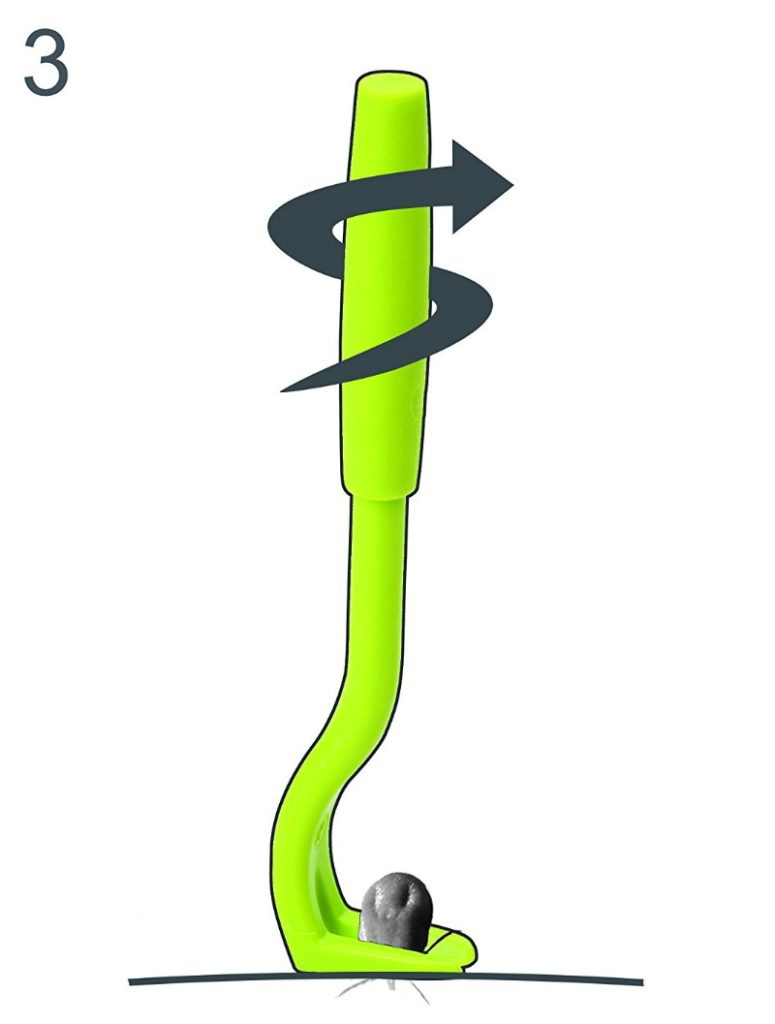
Step 3: Pull the tick upward with steady, even pressure. Don't jerk or twist the tick, as this can cause it to break apart and leave its mouthparts in your skin.

Step 4: Continue to pull the tick upward until it's completely removed. You may need to use a bit of patience and gentle persuasion, but it's essential to remove the tick in one piece.
Step 5: Once you've removed the tick, clean the area with antiseptic wipes or soap and water. Apply an antiseptic cream or ointment to reduce the risk of infection.
What to Do After Tick Removal
After you've removed the tick, it's essential to take a few precautions to minimize the risk of infection. Wash your hands thoroughly with soap and water, and clean the tweezers with antiseptic wipes or soap and water. If you've removed a tick from a child or someone who's sensitive to pain, apply some topical anesthetic cream or spray to soothe the area. You should also monitor the area for signs of infection, such as redness, swelling, or a rash. If you experience any symptoms, consult with a healthcare professional promptly.
Storing and Identifying the Tick
If you're concerned about the tick and want to have it identified, you can store it in a container or plastic bag. Place the tick in the container, and add a small piece of paper towel or cotton ball to keep it dry. Seal the container or bag, and label it with the date and location where you found the tick. You can then take the tick to a healthcare professional or a pest control expert for identification.

Preventing Tick Bites
While removing ticks safely is essential, preventing tick bites is even better. There are several steps you can take to minimize your risk of encountering ticks:
Wear protective clothing, such as long-sleeved shirts, long pants, and closed-toe shoes, when you're outdoors. Tucking your pant legs into your socks can also help prevent ticks from crawling up your legs.
Use insect repellents, such as DEET or picaridin, on your skin and clothing. You can also use permethrin-treated clothing and gear to repel ticks.
Avoid wooded, grassy, or brushy areas, especially during peak tick season. If you must venture into these areas, stay on marked trails and avoid wandering into dense vegetation.
Conduct regular tick checks on yourself, your children, and your pets. Ticks can attach themselves to any part of your body, so make sure to check all areas, including your armpits, groin, and scalp.
Consider using tick repellents or acaricides on your property, especially in areas where you spend a lot of time outdoors. These products can help reduce the tick population and minimize your risk of encountering ticks.
Conclusion
Removing ticks safely and effectively requires patience, attention to detail, and a bit of know-how. By following the steps outlined in this article, you can minimize the risk of infection and protect yourself and your loved ones from tick-borne diseases. Remember to always be vigilant when you're outdoors, and take steps to prevent tick bites whenever possible. With the right knowledge and precautions, you can enjoy the great outdoors without worrying about ticks.
