
As a Shih Tzu owner, one of the most important decisions you'll make for your furry friend is what to feed them. With so many options available, it can be overwhelming to navigate the world of dog food. But don't worry, we're here to help! In this article, we'll break down the best feeding practices for your Shih Tzu, from puppyhood to adulthood. Whether you're a new owner or a seasoned pro, this guide will provide you with the knowledge you need to keep your Shih Tzu happy and healthy.
Introduction to Shih Tzu Nutrition
Shih Tzus are small, friendly dogs with big personalities. They require a balanced diet that meets their unique nutritional needs. As a breed, Shih Tzus are prone to certain health issues, such as obesity and dental problems, which can be managed with a healthy diet. A good quality dog food should provide your Shih Tzu with the necessary nutrients, vitamins, and minerals to thrive. But what does that look like? Let's take a closer look at the nutritional needs of Shih Tzus at different stages of their lives.
Puppyhood (0-12 months)
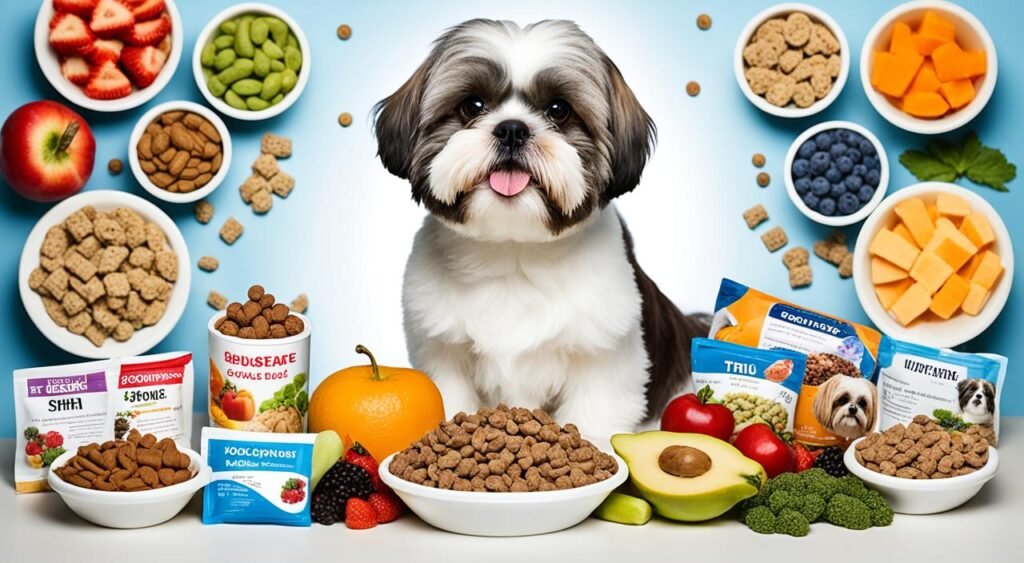
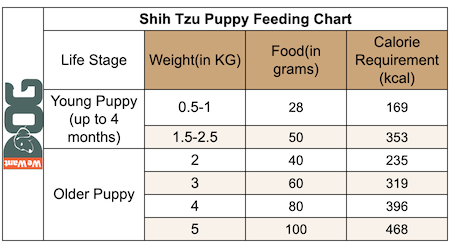
Puppies have different nutritional needs than adult dogs. During the first year of life, Shih Tzu puppies require a diet rich in protein, fat, and complex carbohydrates. They need a balanced mix of nutrients to support their rapid growth and development.
 Feeding Guide by Age Introduction to Shih Tzu Nutrition" loading="lazy" style="max-width:700px;width:100%;height:auto;border-radius:8px;">
Feeding Schedule for Puppies
Here's a sample feeding schedule for Shih Tzu puppies:
- 8-12 weeks: 3-4 meals per day
- 3-6 months: 3 meals per day
- 6-12 months: 2 meals per day
Remember, every puppy is different, and the feeding schedule may vary depending on your puppy's individual needs and activity level. Be sure to consult with your veterinarian to determine the best feeding schedule for your puppy.
Adolescence (1-2 years)
As your Shih Tzu enters adolescence, their nutritional needs begin to change. They require fewer calories and less frequent feeding. At this stage, you can start to transition your puppy to adult food.
 Feeding Guide by Age Adolescence 12 years" loading="lazy" style="max-width:700px;width:100%;height:auto;border-radius:8px;">
Adult Maintenance (2-7 years)
Once your Shih Tzu reaches adulthood, their nutritional needs become more stable. They require a balanced diet that maintains their weight, supports their energy levels, and promotes overall health. Adult Shih Tzus should be fed twice a day, and their food should be divided into two equal portions.

Tips for Adult Feeding
Here are some tips to keep in mind when feeding your adult Shih Tzu:
- Choose a high-quality adult food that's specifically formulated for small breeds
- Feed twice a day, dividing the daily ration into two equal portions
- Monitor your dog's weight and adjust their food intake accordingly
- Avoid overfeeding, as this can lead to obesity and other health problems
- Consider adding supplements to your dog's diet, such as omega-3 fatty acids and joint support
Senior Years (8+ years)
As your Shih Tzu enters their senior years, their nutritional needs change once again. Senior dogs require fewer calories and less protein than adult dogs. They may also require more fiber and moisture in their diet to support digestive health.

Common Health Issues in Senior Shih Tzus
Senior Shih Tzus are prone to certain health issues, such as:
- Dental problems
- Obesity
- Arthritis
- Kidney disease
- Heart disease
A healthy diet can help manage these conditions and promote overall health. Be sure to consult with your veterinarian to determine the best diet for your senior Shih Tzu.
In conclusion, feeding your Shih Tzu requires careful consideration of their nutritional needs at different stages of their lives. From puppyhood to adulthood, and into their senior years, a balanced diet is essential for maintaining their overall health and well-being. By following the guidelines outlined in this article, you can provide your Shih Tzu with the nutrients they need to thrive. Remember to always consult with your veterinarian for personalized feeding recommendations, and don't hesitate to reach out if you have any questions or concerns. With the right diet and proper care, your Shih Tzu can live a long, happy, and healthy life.