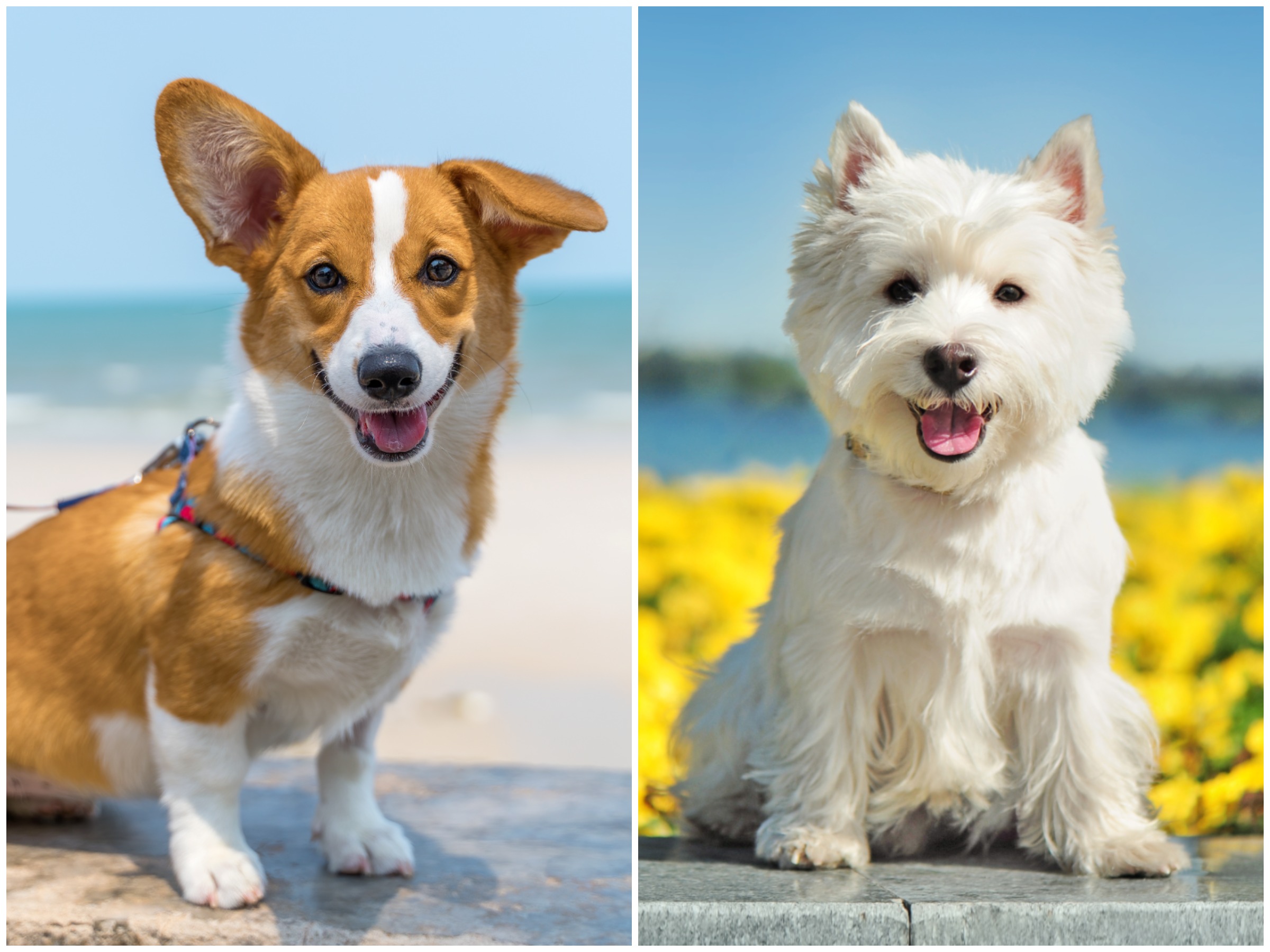
As a dog owner, there's nothing quite like the feeling of watching your furry friend run around freely in your yard, enjoying the fresh air and sunshine. However, it's essential to ensure that your dog stays within the boundaries of your property to prevent them from getting lost, injured, or causing trouble in the neighborhood. Training your dog to stay in the yard requires patience, consistency, and positive reinforcement. In this article, we'll explore the best methods to train your dog to stay in the yard and provide you with some valuable tips and tricks to make the process easier.
Understanding Why Dogs Escape
Before we dive into the training process, it's crucial to understand why dogs tend to escape from their yards. Some common reasons include boredom, curiosity, and the desire to explore their surroundings. Dogs are naturally curious creatures, and if they're not provided with enough mental and physical stimulation, they may look for ways to entertain themselves, such as digging under the fence or jumping over it. Additionally, if your dog is not spayed or neutered, they may be more likely to roam in search of a mate. By understanding the underlying reasons for your dog's behavior, you can develop a more effective training plan.
 To Train Dogs to Stay in Yard Understanding Why Dogs Escape" loading="lazy" style="max-width:700px;width:100%;height:auto;border-radius:8px;">
Assessing Your Yard
Once you understand why your dog may be trying to escape, it's time to assess your yard and identify any potential weaknesses. Take a walk around your property and look for any gaps or holes in the fence, as well as any areas where your dog may be able to jump over or dig under. Make sure to check for any attractive features outside your yard, such as nearby parks or wildlife, that may be enticing your dog to escape. By identifying these potential escape routes and temptations, you can take steps to secure your yard and make it more difficult for your dog to get out.
Securing Your Yard
Securing your yard is an essential step in training your dog to stay within its boundaries. Here are some tips to help you secure your yard: install a sturdy fence that's at least 4 feet tall, use chicken wire or hardware cloth to cover any gaps or holes, and consider installing a lockable gate to prevent your dog from pushing it open. You can also try using plants or shrubs to block your dog's view of the outside world, reducing the temptation to escape. Additionally, consider installing a dog door or a screen door to provide your dog with a safe and secure way to enter and exit the house.
 How To Train Dogs to Stay in Yard Training Your Dog to Stay in the Yard" loading="lazy" style="max-width:700px;width:100%;height:auto;border-radius:8px;">
Training Your Dog to Stay in the Yard
Now that you've assessed and secured your yard, it's time to start training your dog to stay within its boundaries. The key to successful training is consistency and positive reinforcement. Start by introducing your dog to the yard and rewarding them with treats and praise when they stay within the designated area. Gradually increase the amount of time your dog spends in the yard, and make sure to supervise them at all times. If your dog tries to escape, calmly and firmly guide them back to the yard, avoiding punishment or scolding.
One effective training method is to use a long-line leash, which allows your dog to move freely within the yard while still being connected to you. This can help your dog get used to the boundaries of the yard and learn to stay within them. You can also try using a "stay" command, which can help your dog learn to remain in one place, even when distracted. Be sure to reward your dog with treats and praise when they respond to the command correctly.
Using Positive Reinforcement
Positive reinforcement is a powerful training tool that can help your dog learn to stay in the yard. The idea is to reward your dog with treats, praise, and affection when they exhibit the desired behavior, rather than punishing them for undesirable behavior. By focusing on positive reinforcement, you can create a strong bond with your dog and encourage them to make good choices. Some examples of positive reinforcement include giving your dog a treat when they stay within the yard, praising them when they respond to the "stay" command, and providing them with plenty of exercise and mental stimulation to keep them happy and engaged.
 How To Train Dogs to Stay in Yard Common Challenges and Solutions" loading="lazy" style="max-width:700px;width:100%;height:auto;border-radius:8px;">
Managing Escape Attempts
Despite your best efforts, there may be times when your dog attempts to escape from the yard. If this happens, it's essential to remain calm and patient, avoiding punishment or scolding. Instead, try to understand what may have triggered the escape attempt and take steps to prevent it in the future. For example, if your dog is trying to escape to get to a nearby park, you may need to increase the height of your fence or provide more exercise and mental stimulation to keep them happy and engaged. By managing escape attempts in a calm and patient manner, you can help your dog learn that staying in the yard is the best option.
Another important aspect of managing escape attempts is to make sure your dog has a safe and secure way to return to the yard. Consider installing a dog door or a screen door, which can provide your dog with a convenient and secure way to enter and exit the house. You can also try using a "come" command, which can help your dog learn to return to you quickly and easily, even when they're in the midst of an escape attempt.
Common Challenges and Solutions
Training your dog to stay in the yard can be a challenging process, and there are several common obstacles that you may encounter. One of the most significant challenges is dealing with distractions, such as other dogs, people, or wildlife, that may tempt your dog to escape. To overcome this challenge, try to minimize distractions by blocking your dog's view of the outside world or providing them with plenty of exercise and mental stimulation to keep them happy and engaged.
Another common challenge is dealing with inclement weather, such as heavy rain or extreme heat, which may make your dog more likely to stay indoors. To overcome this challenge, try to provide your dog with a comfortable and secure outdoor area, such as a covered patio or a dog house, where they can retreat from the elements. You can also try to provide your dog with plenty of exercise and mental stimulation indoors, such as playing hide-and-seek or providing them with puzzle toys.

Conclusion
Training your dog to stay in the yard requires patience, consistency, and positive reinforcement. By understanding why dogs escape, assessing and securing your yard, and using positive reinforcement training methods, you can help your dog learn to stay within the boundaries of your property. Remember to manage escape attempts in a calm and patient manner, and be prepared to overcome common challenges such as distractions and inclement weather. With time and effort, you can help your dog become a happy and well-behaved member of your family, enjoying the freedom and security of your yard.
By following these tips and tricks, you can create a safe and secure outdoor space for your dog to enjoy, while also reducing the risk of escape attempts and ensuring your dog's overall health and well-being. So why not get started today, and help your dog become a happy and well-behaved member of your family? With patience, consistency, and positive reinforcement, you can train your dog to stay in the yard and enjoy the many benefits of dog ownership.