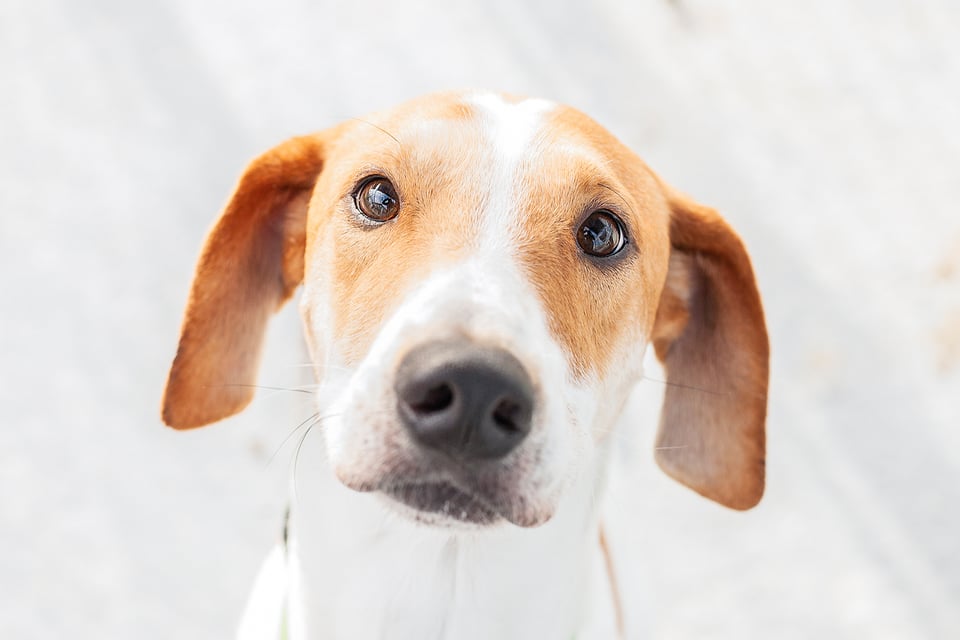
As a dog owner, there's nothing more worrying than seeing your furry friend refuse to eat. You've prepared their favorite meal, and yet they turn up their nose and walk away. It's natural to feel concerned and wonder what's going on. Is your dog sick? Is the food not tasty enough? Or is it something more serious? In this article, we'll delve into the possible reasons why your dog refuses food and what you can do to encourage them to eat again.
Common Reasons for Food Refusal
There are several reasons why your dog might refuse food, and it's essential to identify the underlying cause to address the issue effectively. Some common reasons include dental problems, such as toothaches or gum disease, which can make eating painful for your dog. Other reasons might be gastrointestinal issues, like diarrhea or vomiting, which can lead to a decrease in appetite. Additionally, dogs can be picky eaters, just like humans, and might not like the taste or texture of their food.
 Does My Dog Refuse Food Common Reasons for Food Refusal" loading="lazy" style="max-width:700px;width:100%;height:auto;border-radius:8px;">
Another possible reason for food refusal is a change in environment or routine. If you've recently moved to a new home or changed your work schedule, your dog might be feeling stressed or anxious, leading to a decrease in appetite. Furthermore, certain medications, such as antibiotics or steroids, can suppress your dog's appetite. It's crucial to consult with your veterinarian to rule out any underlying medical issues that might be causing your dog's food refusal.
Medical Conditions that Can Cause Food Refusal
Certain medical conditions can cause your dog to refuse food, and it's essential to be aware of these conditions to seek veterinary attention if necessary. For example, kidney disease, liver disease, or diabetes can all affect your dog's appetite. Additionally, conditions like pancreatitis, gastroenteritis, or inflammatory bowel disease can cause abdominal pain, leading to a decrease in appetite.
 Why Does My Dog Refuse Food Nutritional Deficiencies and Food Refusal" loading="lazy" style="max-width:700px;width:100%;height:auto;border-radius:8px;">
Cancer is another medical condition that can cause food refusal in dogs. If your dog is experiencing weight loss, vomiting, or diarrhea, along with a decrease in appetite, it's crucial to consult with your veterinarian to rule out cancer. Other medical conditions, such as hypothyroidism or Cushing's disease, can also affect your dog's appetite. Your veterinarian can perform diagnostic tests, such as blood work or imaging studies, to determine the underlying cause of your dog's food refusal.
What to Do If Your Dog Refuses Food
If your dog refuses food, it's essential to stay calm and not panic. First, ensure that your dog has access to fresh water at all times, as dehydration can quickly become a serious issue. You can also try to encourage your dog to eat by offering their favorite treats or toys. However, if your dog continues to refuse food, it's crucial to consult with your veterinarian to rule out any underlying medical issues.

Your veterinarian may recommend a physical examination, complete with diagnostic tests, to determine the cause of your dog's food refusal. In the meantime, you can try to make mealtime more appealing by warming up your dog's food or adding a small amount of low-sodium chicken broth to make it more palatable. You can also try hand-feeding your dog or using a puzzle feeder to make mealtime more engaging. However, if your dog continues to refuse food, it's essential to seek veterinary attention to prevent malnutrition and other complications.
In some cases, your veterinarian may recommend a feeding tube or syringe feeding to ensure your dog is getting the nutrients they need. This can be a stressful experience for both you and your dog, but it's essential to follow your veterinarian's recommendations to ensure your dog's health and well-being. With patience, love, and proper care, your dog can recover from food refusal and regain their appetite.

Nutritional Deficiencies and Food Refusal
Nutritional deficiencies can also contribute to food refusal in dogs. If your dog's food is lacking essential nutrients, such as protein, fat, or vitamins, they may not find it appealing. Additionally, if your dog is not getting enough fiber, they may experience digestive issues, leading to a decrease in appetite. It's essential to choose a high-quality dog food that meets your dog's nutritional needs and to consult with your veterinarian for recommendations.
Furthermore, food sensitivities or allergies can cause your dog to refuse food. If your dog is reacting to a particular ingredient, such as beef or dairy, they may experience gastrointestinal issues, leading to a decrease in appetite. Your veterinarian can help you identify potential food sensitivities or allergies and recommend a novel protein source or hypoallergenic diet. By addressing nutritional deficiencies and food sensitivities, you can help your dog regain their appetite and thrive.
Environmental Factors that Can Contribute to Food Refusal
Environmental factors, such as stress or anxiety, can also contribute to food refusal in dogs. If your dog is experiencing separation anxiety or noise phobia, they may not feel like eating. Additionally, changes in your work schedule or travel can cause stress, leading to a decrease in appetite. It's essential to provide a stable and comfortable environment for your dog, including a quiet and cozy place to eat.

You can also try to reduce your dog's stress levels by providing plenty of exercise, playtime, and mental stimulation. A tired dog is a happy dog, and regular exercise can help increase their appetite. Additionally, you can try pheromone therapy or calming aids, such as L-theanine or melatonin, to help your dog relax and feel more comfortable. By addressing environmental factors that contribute to food refusal, you can help your dog feel more at ease and encourage them to eat.
Conclusion
In conclusion, food refusal in dogs can be caused by a variety of factors, including medical conditions, nutritional deficiencies, and environmental factors. As a dog owner, it's essential to stay calm and consult with your veterinarian to determine the underlying cause of your dog's food refusal. By working together with your veterinarian and making a few simple changes, you can help your dog regain their appetite and thrive. Remember to always provide fresh water, a comfortable environment, and plenty of love and attention to your furry friend. With patience and proper care, your dog can overcome food refusal and live a happy and healthy life.