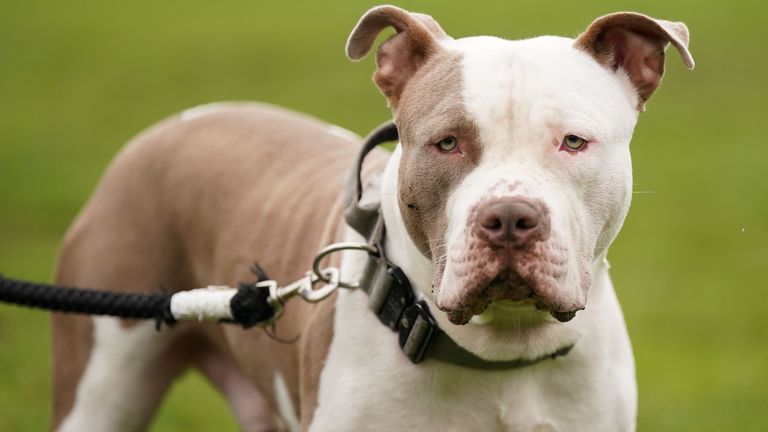
Are you tired of dealing with a restless dog at night, constantly barking, whining, or pacing around the house? If so, you're not alone. Many dog owners struggle with helping their furry friends relax and stay calm during the evening hours. In this article, we'll explore the reasons behind your dog's nighttime anxiety and provide you with practical tips on how to train them to stay calm and get a good night's sleep.
Understanding Canine Nighttime Anxiety
Dogs, like humans, can experience anxiety and stress, which can be exacerbated at night. There are several reasons why your dog might be feeling anxious or restless during the evening hours. One common reason is separation anxiety, where your dog becomes distressed when left alone or separated from their pack. Other reasons might include noise phobias, such as thunderstorms or fireworks, or even medical issues like arthritis or digestive problems. To address your dog's nighttime anxiety, it's essential to identify the underlying cause and develop a plan to tackle it.
 Dogs to Stay Calm at Night Understanding Canine Nighttime Anxiety" loading="lazy" style="max-width:700px;width:100%;height:auto;border-radius:8px;">
Creating a Calming Environment
One of the most effective ways to help your dog relax at night is to create a calming environment. This can be achieved by making a few simple changes to their living space. Firstly, ensure your dog has a quiet and comfortable place to sleep, away from drafts and noise. You can also try using calming aids like pheromone diffusers, calming music, or white noise machines to create a soothing atmosphere. Additionally, consider using a weighted blanket or a Thunder Shirt to provide your dog with a sense of security and comfort.
Another crucial aspect of creating a calming environment is establishing a consistent bedtime routine. This can include activities like going for a relaxing walk, playing calming games, or engaging in gentle petting or massage. A consistent routine will help signal to your dog that it's time to wind down and prepare for sleep. You can also try incorporating calming treats or supplements into their evening routine to help promote relaxation.
Training Exercises to Promote Calmness
In addition to creating a calming environment, there are several training exercises you can try to help your dog stay calm at night. One effective exercise is the "settle" command, which involves teaching your dog to relax and calm down on command. To do this, start by having your dog sit or lie down, then reward them with treats and praise for remaining calm. Gradually increase the duration and distractions, and eventually, your dog will learn to associate the command with relaxation.
Another useful exercise is the "leave it" command, which can help reduce your dog's anxiety and stress levels. This involves teaching your dog to leave a stimulus, such as a toy or treat, alone when commanded. By doing so, you can help your dog learn to self-regulate and manage their impulses, leading to a more calm and relaxed state. You can also try incorporating desensitization and counterconditioning techniques to help your dog overcome specific fears or phobias that might be contributing to their nighttime anxiety.
 How To Train Dogs to Stay Calm at Night Managing Nighttime Distractions" loading="lazy" style="max-width:700px;width:100%;height:auto;border-radius:8px;">
Managing Nighttime Distractions
One of the biggest challenges dog owners face when trying to help their dogs stay calm at night is managing distractions. Whether it's a noisy neighbor, a sudden storm, or a stray animal outside, there are many potential distractions that can disrupt your dog's peaceful slumber. To mitigate these distractions, it's essential to have a plan in place. For example, you can try using earplugs or white noise machines to block out external noises, or invest in a calming aid like a calming collar or vest to help your dog stay relaxed.
Another effective strategy is to desensitize your dog to potential distractions. This can be done by gradually exposing them to the stimulus, starting from a low level and increasing the intensity over time. For example, if your dog is afraid of thunderstorms, you can start by playing a recording of thunderstorm sounds at a low volume, then reward them with treats and praise for remaining calm. Gradually increase the volume over time, and eventually, your dog will learn to associate the sound with a positive outcome.
Seeking Professional Help
While the tips and techniques outlined above can be incredibly effective in helping your dog stay calm at night, some dogs may require additional support. If your dog's nighttime anxiety is severe or persistent, it may be necessary to seek professional help from a veterinarian, animal behaviorist, or dog trainer. These experts can help you identify the underlying causes of your dog's anxiety and develop a customized plan to address it.
In some cases, your dog may require medication or other forms of therapy to manage their anxiety. For example, your veterinarian may prescribe an anti-anxiety medication or recommend a calming supplement to help your dog relax. Alternatively, an animal behaviorist may recommend a behavior modification program to help your dog learn new coping mechanisms and manage their stress levels.

Conclusion
Helping your dog stay calm at night requires patience, consistency, and a willingness to try new approaches. By creating a calming environment, establishing a consistent bedtime routine, and incorporating training exercises and calming aids, you can help your dog relax and get a good night's sleep. Remember to be flexible and adapt your approach as needed, and don't hesitate to seek professional help if your dog's nighttime anxiety persists. With time, effort, and the right strategies, you can help your dog overcome their nighttime anxiety and enjoy a more peaceful and restful sleep.
As a dog owner, it's essential to remember that every dog is unique, and what works for one dog may not work for another. By staying committed to your dog's training and well-being, you can help them overcome their challenges and live a happier, healthier life. So, if you're struggling to help your dog stay calm at night, don't give up – with the right approach and support, you can help your furry friend relax and thrive.
Additional Tips and Resources
In addition to the tips and techniques outlined above, there are many other resources available to help you support your dog's nighttime calmness. For example, you can try using calming apps or online platforms that provide guided relaxation exercises and calming music specifically designed for dogs. You can also connect with other dog owners and animal behaviorists through online forums and social media groups to share tips and advice.
Furthermore, there are many excellent books and online courses available that can provide you with more in-depth information and guidance on helping your dog stay calm at night. Some recommended resources include "The Other End of the Leash" by Patricia Mc Connell, "The Culture Clash" by Jean Donaldson, and the online course "Calming Signals" by Turid Rugaas. By exploring these resources and staying committed to your dog's training and well-being, you can help them overcome their nighttime anxiety and enjoy a more peaceful and restful life.
In conclusion, helping your dog stay calm at night requires a combination of patience, consistency, and the right strategies. By creating a calming environment, establishing a consistent bedtime routine, and incorporating training exercises and calming aids, you can help your dog relax and get a good night's sleep. Remember to stay flexible and adapt your approach as needed, and don't hesitate to seek professional help if your dog's nighttime anxiety persists. With time, effort, and the right support, you can help your dog overcome their challenges and live a happier, healthier life.