
As a dog owner, you're probably no stranger to the chaos that can ensue when a loud vehicle drives by. Whether it's a fire truck, a motorcycle, or a construction vehicle, the noise can be overwhelming for our furry friends. But the good news is that with patience, consistency, and positive reinforcement, you can train your dog to stay calm around loud vehicles. In this article, we'll explore the steps you can take to help your dog feel more at ease when faced with loud noises.
Understanding Canine Behavior
Before we dive into the training process, it's essential to understand why dogs react to loud noises in the first place. Dogs have a unique auditory system that allows them to hear sounds at a much higher frequency than humans. This means that loud noises can be even more overwhelming for them than they are for us. Additionally, dogs are naturally inclined to respond to potential threats, and loud noises can trigger their fight-or-flight response. By understanding this behavior, we can develop a training plan that addresses their emotional and psychological needs.
 To Train Dogs to Stay Calm Around Loud Vehicles Understanding Canine Behavior" loading="lazy" style="max-width:700px;width:100%;height:auto;border-radius:8px;">
Assessing Your Dog's Sensitivity
Every dog is different, and some may be more sensitive to loud noises than others. To determine your dog's sensitivity level, try exposing them to different types of noises, such as a vacuum cleaner or a door slamming shut. Observe their reaction and take note of any signs of distress, such as panting, pacing, or hiding. If your dog appears to be highly sensitive, it's crucial to start with small, manageable steps in the training process.
It's also important to consider your dog's breed, age, and individual personality when assessing their sensitivity. For example, some breeds, such as German Shepherds and Australian Shepherds, are more prone to noise anxiety due to their high energy levels and strong herding instincts. Senior dogs, on the other hand, may be more sensitive to loud noises due to hearing loss or cognitive decline. By taking these factors into account, you can tailor your training approach to meet your dog's unique needs.
Desensitization and Counterconditioning
The key to training your dog to stay calm around loud vehicles is through desensitization and counterconditioning. Desensitization involves gradually exposing your dog to the noise at a low level, starting from a distance, and gradually increasing the volume and proximity. Counterconditioning, on the other hand, involves associating the noise with positive experiences, such as treats and praise. By combining these two techniques, you can help your dog learn to associate loud noises with positive outcomes.
 How To Train Dogs to Stay Calm Around Loud Vehicles Desensitization and Counterconditioning" loading="lazy" style="max-width:700px;width:100%;height:auto;border-radius:8px;">
Step-by-Step Training
Here's a step-by-step guide to help you get started with desensitization and counterconditioning:
Step 1: Start by playing a recording of a loud vehicle at a low volume, such as a motorcycle or a fire truck. You can find these recordings online or create your own using a smartphone app. Begin by playing the recording at a distance, such as in another room, and reward your dog with treats and praise for remaining calm.
Step 2: Gradually increase the volume of the recording over time, while still maintaining a safe distance. Continue to reward your dog for remaining calm, and avoid pushing them beyond their comfort zone.
Step 3: Once your dog appears comfortable with the noise at a distance, it's time to introduce the noise in closer proximity. Start by playing the recording in the same room as your dog, but at a low volume. Reward your dog for remaining calm, and gradually increase the volume over time.
Step 4: The final step is to expose your dog to real-life loud vehicles, such as a fire truck or a motorcycle. Start by watching the vehicle from a distance, and reward your dog for remaining calm. Gradually decrease the distance over time, while continuing to reward your dog for good behavior.
Additional Tips and Tricks
In addition to desensitization and counterconditioning, there are several other tips and tricks you can use to help your dog stay calm around loud vehicles. One of the most effective techniques is to use calming aids, such as pheromone diffusers or calming collars. These products mimic the calming scent that mother dogs produce to calm their puppies, and can be highly effective in reducing anxiety and stress.
 How To Train Dogs to Stay Calm Around Loud Vehicles Additional Tips and Tricks" loading="lazy" style="max-width:700px;width:100%;height:auto;border-radius:8px;">
Exercise and Mental Stimulation
Regular exercise and mental stimulation are also essential for reducing anxiety and stress in dogs. By providing your dog with plenty of physical and mental activity, you can help them feel more relaxed and focused, even in the presence of loud noises. Try incorporating activities such as agility training, obedience training, or scent work into your dog's daily routine.
It's also important to provide your dog with a safe and comfortable space to retreat to when they feel overwhelmed. This could be a crate or a quiet room, where your dog can escape the noise and chaos. By providing a sense of security and comfort, you can help your dog feel more at ease, even in the presence of loud vehicles.
Conclusion
Training your dog to stay calm around loud vehicles takes time, patience, and consistency. By using desensitization and counterconditioning techniques, you can help your dog learn to associate loud noises with positive outcomes. Remember to start with small, manageable steps, and to always prioritize your dog's emotional and psychological well-being. With time and practice, your dog can learn to stay calm and focused, even in the presence of loud vehicles.
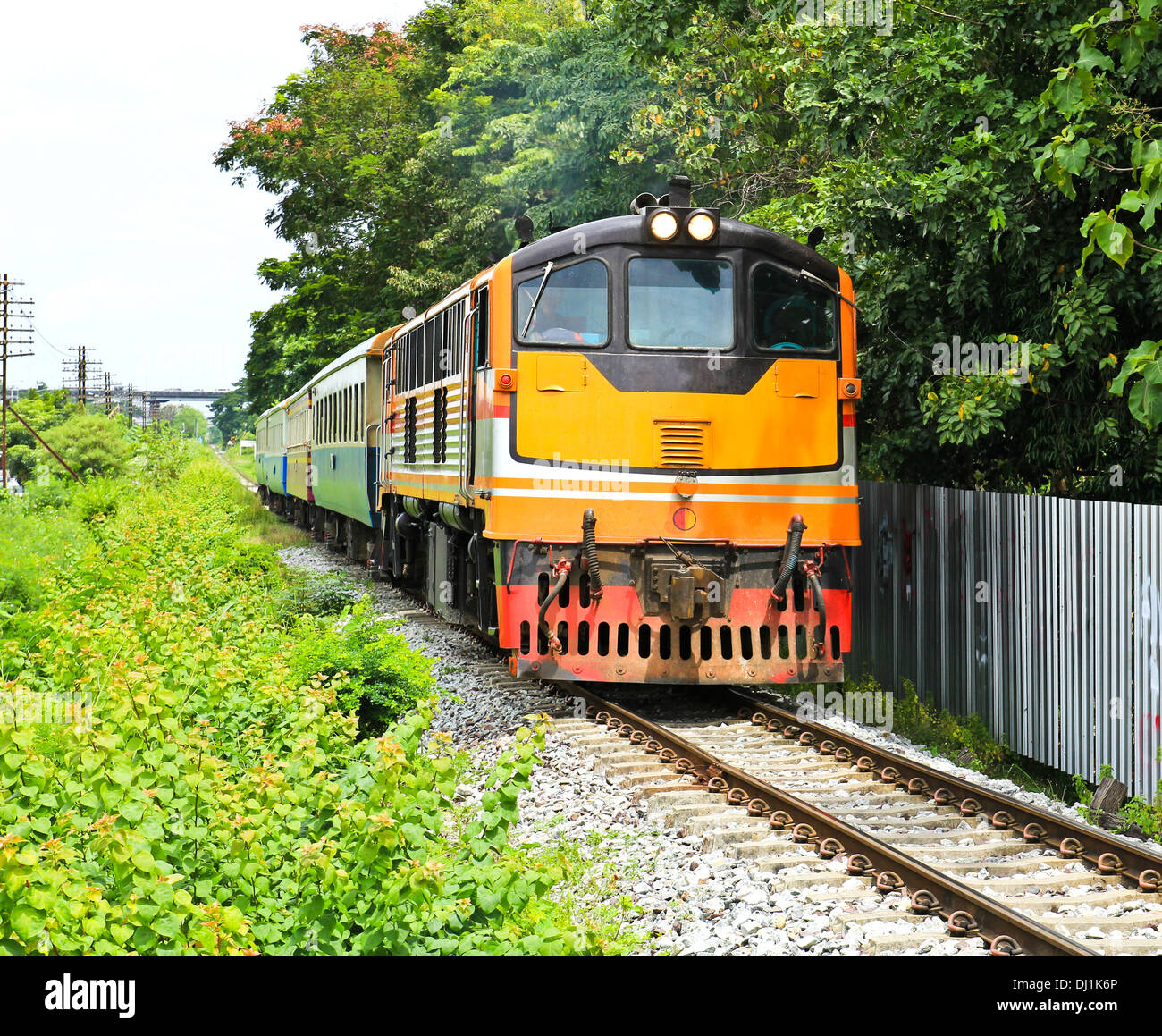 How To Train Dogs to Stay Calm Around Loud Vehicles" loading="lazy" style="max-width:700px;width:100%;height:auto;border-radius:8px;">
By following these tips and techniques, you can help your dog feel more confident and calm in the face of loud noises. Remember to always be patient and supportive, and to celebrate your dog's successes along the way. With time and practice, you can help your dog overcome their fears and anxieties, and live a happier, healthier life.