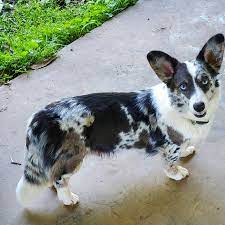
As a dog owner, you're probably no stranger to the chaos that can ensue when your furry friend gets overexcited or anxious during household activities. Whether it's the sound of the vacuum cleaner, the commotion of cooking dinner, or the noise of a lively gathering, dogs can quickly become overwhelmed and lose their calm. However, with patience, consistency, and positive reinforcement, you can train your dog to stay calm and composed, even in the midst of chaos. In this article, we'll explore the steps you can take to help your dog remain serene and peaceful, no matter what's happening around them.
Understanding Canine Behavior
Before we dive into the training process, it's essential to understand why dogs get anxious or excited in the first place. Dogs are highly attuned to their environment and can pick up on even the slightest changes in their surroundings. This sensitivity can be both a blessing and a curse, as it allows them to be incredibly responsive to their owners, but also prone to overstimulation. By recognizing the triggers that cause your dog to become anxious or excited, you can begin to develop a plan to help them stay calm.
 Train Dogs to Stay Calm During Household Activities Understanding Canine Behavior" loading="lazy" style="max-width:700px;width:100%;height:auto;border-radius:8px;">
Identifying Triggers
So, what are some common household activities that can trigger anxiety or excitement in dogs? The list is long, but some of the most common culprits include loud noises, such as the vacuum cleaner or blender, sudden movements, like someone entering the room or a door slamming shut, and strong smells, like cooking or cleaning products. Once you've identified the triggers that affect your dog, you can start to develop a strategy to help them cope. This might involve desensitizing your dog to the trigger, teaching them to associate the trigger with a positive outcome, or simply providing a safe space for them to retreat to when they feel overwhelmed.
Creating a Safe Space
One of the most effective ways to help your dog stay calm during household activities is to create a safe space for them to retreat to. This might be a crate, a quiet room, or even just a cozy corner of the house where they can escape the chaos. By providing a safe space, you're giving your dog a sense of control and security, which can be incredibly comforting when they're feeling anxious or overwhelmed. Make sure the safe space is comfortable and inviting, with familiar toys, blankets, and treats to help your dog feel at ease.
 To Train Dogs to Stay Calm During Household Activities Desensitization and Counterconditioning" loading="lazy" style="max-width:700px;width:100%;height:auto;border-radius:8px;">
Another crucial aspect of creating a safe space is to ensure that it's free from distractions and triggers. This means keeping the area quiet, calm, and free from loud noises or strong smells. You can also add some calming aids, such as pheromone diffusers or calming music, to help create a soothing atmosphere. By providing a safe space, you're giving your dog a chance to relax and recharge, which can be incredibly beneficial for their mental and emotional well-being.
Desensitization and Counterconditioning
Desensitization and counterconditioning are two powerful techniques that can help your dog stay calm during household activities. Desensitization involves gradually exposing your dog to the trigger that causes them anxiety or excitement, while counterconditioning involves associating the trigger with a positive outcome. By combining these two techniques, you can help your dog learn to associate the trigger with a positive experience, rather than a negative one. For example, if your dog is afraid of the vacuum cleaner, you might start by simply showing them the vacuum cleaner while it's turned off, then gradually increasing the noise level over time.

As you desensitize your dog to the trigger, be sure to reward them with treats, praise, and affection when they remain calm. This positive reinforcement will help your dog associate the trigger with a positive outcome, rather than a negative one. It's also essential to progress at a pace that's comfortable for your dog, as pushing them too hard can create more anxiety and undermine the training process. By taking it slow and gentle, you can help your dog build confidence and learn to stay calm in the face of triggers that once caused them distress.
Teaching Calming Behaviors
In addition to desensitization and counterconditioning, teaching your dog calming behaviors can be a powerful way to help them stay calm during household activities. Calming behaviors, such as "settle" or "relax," can help your dog learn to self-soothe and remain calm, even in the midst of chaos. To teach calming behaviors, start by having your dog sit or lie down, then reward them with treats and praise for remaining calm. Gradually increase the duration and distractions, such as noise or movement, while rewarding your dog for remaining calm.
 How To Train Dogs to Stay Calm During Household Activities" loading="lazy" style="max-width:700px;width:100%;height:auto;border-radius:8px;">
Another effective calming behavior is the "look" or "watch me" command, which involves having your dog focus on you rather than the trigger. This can be especially helpful in situations where your dog is prone to distraction or excitement, such as during a lively gathering or when someone is cooking dinner. By teaching your dog to focus on you, you can help them stay calm and composed, even when surrounded by chaos. By combining calming behaviors with desensitization and counterconditioning, you can help your dog develop a robust toolkit for staying calm and composed, no matter what's happening around them.
Consistency and Patience
Finally, it's essential to remember that training your dog to stay calm during household activities takes time, patience, and consistency. It's not something that can be achieved overnight, but rather through a gradual process of desensitization, counterconditioning, and positive reinforcement. Be sure to set realistic goals and celebrate small successes along the way, as this will help you stay motivated and encouraged throughout the training process.

Additionally, it's crucial to involve all family members in the training process, as consistency is key when it comes to dog training. Make sure everyone is on the same page and using the same commands, rewards, and techniques to help your dog stay calm. By working together, you can create a cohesive and supportive environment that helps your dog feel safe, secure, and calm, even in the midst of chaos. With time, patience, and practice, you can help your dog develop the skills and confidence they need to stay calm and composed, no matter what's happening around them.
In conclusion, training your dog to stay calm during household activities is a process that requires patience, consistency, and positive reinforcement. By understanding canine behavior, identifying triggers, creating a safe space, desensitizing and counterconditioning, teaching calming behaviors, and being consistent and patient, you can help your dog develop the skills and confidence they need to stay calm and composed, even in the midst of chaos. Remember, every dog is different, and what works for one dog may not work for another. Be sure to tailor your approach to your dog's unique needs and personality, and don't be afraid to seek professional help if you need additional guidance or support. With time and effort, you can help your dog become a calm and confident companion, capable of handling even the most chaotic of household activities.