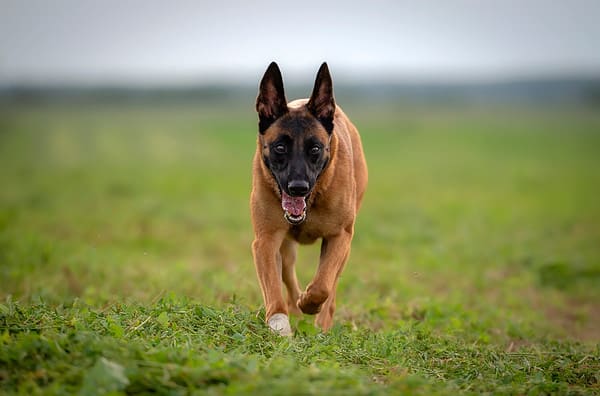
As a dog owner, you know how stressful vet visits can be for your furry friend. The unfamiliar sights, sounds, and smells of the veterinary clinic can be overwhelming, causing your dog to become anxious or even aggressive. However, with some patience, consistency, and positive reinforcement, you can train your dog to stay calm during vet visits. In this article, we'll explore the steps you can take to help your dog feel more relaxed and comfortable at the vet's office.
Understanding Canine Anxiety
Before we dive into the training process, it's essential to understand what causes canine anxiety in the first place. Dogs are creatures of habit and thrive on routine, so the unfamiliar environment of the vet's office can be a significant source of stress. Additionally, the sights and sounds of other animals, as well as the smell of disinfectant and medical equipment, can be overwhelming. By understanding what triggers your dog's anxiety, you can begin to develop a plan to help them cope with these stressors.
 To Train Dogs to Stay Calm During Vet Visits Understanding Canine Anxiety" loading="lazy" style="max-width:700px;width:100%;height:auto;border-radius:8px;">
Preparing Your Dog for the Vet Visit
One of the most effective ways to reduce your dog's stress levels during vet visits is to prepare them in advance. This can start with simple exercises such as getting your dog accustomed to their carrier or crate, as well as teaching them to remain calm in the presence of strangers. You can also try to simulate the vet visit experience at home by pretending to examine your dog, using props such as a toy stethoscope and thermometer. By gradually exposing your dog to these stimuli, you can help them become desensitized to the experience and reduce their overall anxiety levels.
Another crucial aspect of preparing your dog for the vet visit is to ensure they are well-exercised and relaxed beforehand. A tired dog is a calmer dog, so try to schedule the vet visit after a long walk or playtime. You can also try using calming aids such as pheromone diffusers, calming treats, or anti-anxiety wraps to help reduce your dog's stress levels. By taking these steps, you can help your dog feel more relaxed and receptive to the vet visit experience.
Training Your Dog to Remain Calm
Once you've prepared your dog for the vet visit, it's time to start training them to remain calm in the presence of the veterinarian and other clinic staff. This can involve teaching your dog basic obedience commands such as "sit," "stay," and "leave it," as well as encouraging them to focus on you rather than the surrounding environment. You can also try using positive reinforcement techniques such as treats and praise to reward your dog for calm behavior.
 How To Train Dogs to Stay Calm During Vet Visits Using Calming Aids and Tools" loading="lazy" style="max-width:700px;width:100%;height:auto;border-radius:8px;">
One of the most effective training techniques for reducing canine anxiety is counterconditioning. This involves pairing the stimulus that causes anxiety (in this case, the vet visit) with a positive outcome, such as treats and praise. By repeatedly exposing your dog to the vet visit experience and rewarding them for calm behavior, you can help them associate the experience with positive outcomes rather than stress and anxiety. With patience and consistency, your dog can learn to remain calm and relaxed during vet visits, making the experience less stressful for both of you.
Using Calming Aids and Tools
In addition to training and preparation, there are a range of calming aids and tools you can use to help your dog feel more relaxed during vet visits. These can include pheromone diffusers, calming treats, and anti-anxiety wraps, as well as more traditional methods such as gentle petting and soothing music. By using these tools in conjunction with training and preparation, you can help your dog feel more calm and relaxed, reducing the stress and anxiety associated with vet visits.
 How To Train Dogs to Stay Calm During Vet Visits" loading="lazy" style="max-width:700px;width:100%;height:auto;border-radius:8px;">
It's also important to remember that every dog is different, and what works for one dog may not work for another. By working with your veterinarian and experimenting with different calming aids and tools, you can find the approach that works best for your dog. Additionally, be sure to consult with your veterinarian before using any calming aids or supplements, as they can interact with other medications or have unintended side effects.
Creating a Positive Association with the Vet's Office
One of the most effective ways to reduce your dog's stress levels during vet visits is to create a positive association with the vet's office. This can involve scheduling regular visits to the vet's office for non-medical purposes, such as weighing your dog or simply saying hello to the staff. By repeatedly exposing your dog to the vet's office in a positive and low-stress context, you can help them associate the experience with positive outcomes rather than stress and anxiety.

Another approach is to use the vet's office as a reward, rather than a source of stress. For example, you can take your dog to the vet's office for a treat or a play session, rather than just for medical procedures. By creating a positive association with the vet's office, you can help your dog feel more relaxed and calm during visits, reducing the stress and anxiety associated with the experience.
Conclusion
Training your dog to stay calm during vet visits requires patience, consistency, and positive reinforcement. By preparing your dog in advance, using calming aids and tools, and creating a positive association with the vet's office, you can help reduce your dog's stress levels and make the experience less stressful for both of you. Remember to work with your veterinarian and experiment with different approaches to find what works best for your dog. With time and effort, you can help your dog feel more relaxed and calm during vet visits, making the experience a positive and stress-free one for both of you.
By following these tips and techniques, you can help your dog feel more calm and relaxed during vet visits, reducing the stress and anxiety associated with the experience. Remember to always prioritize your dog's comfort and well-being, and to seek professional help if you're unsure about the best approach for your dog. With patience, consistency, and positive reinforcement, you can help your dog thrive and make the vet visit experience a positive and stress-free one.