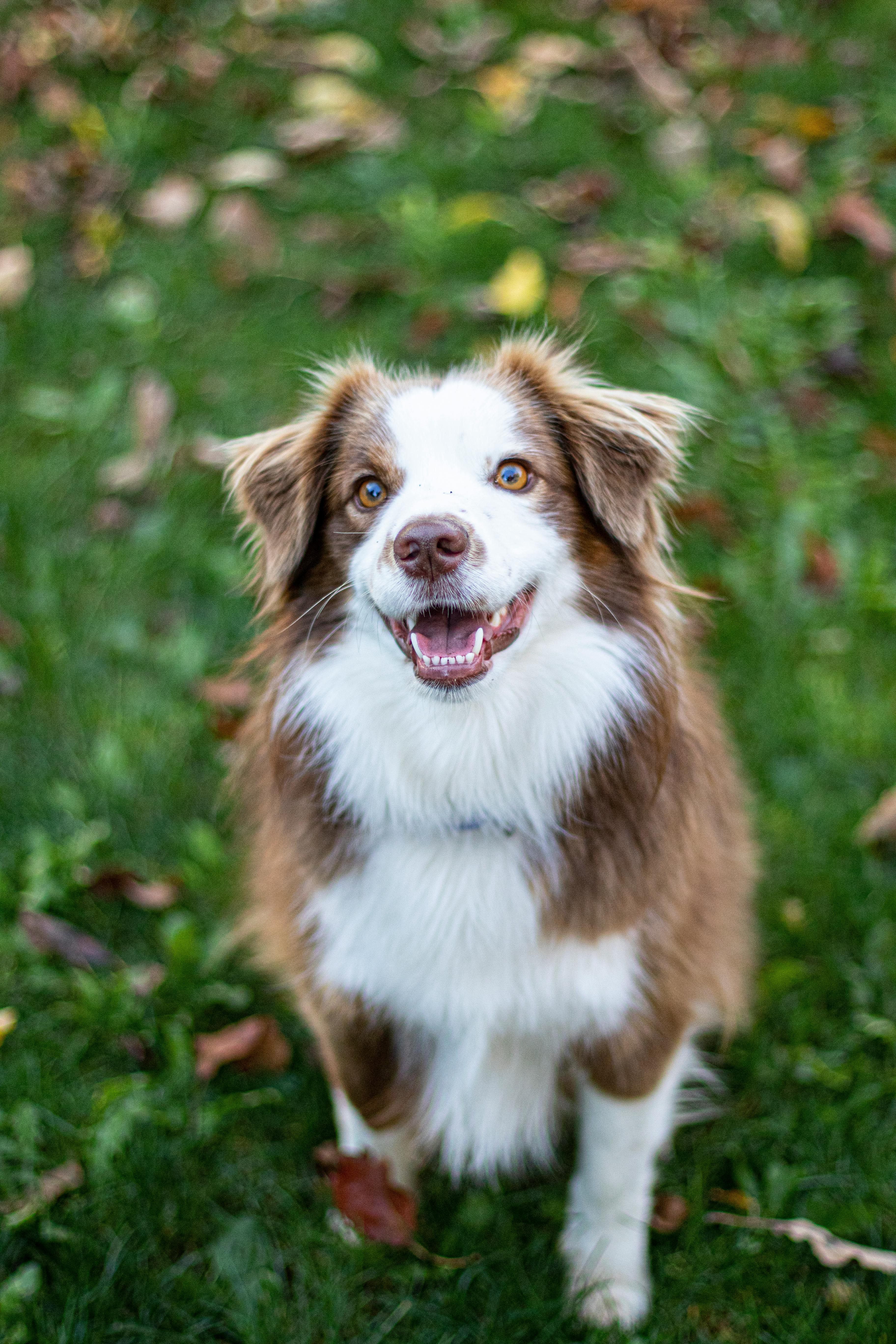
As a new puppy owner, it's essential to be aware of the signs of digestive sensitivity in your furry friend. Digestive issues can be a common problem in puppies, and if left untreated, they can lead to more severe health problems. In this article, we'll explore the signs of digestive sensitivity in puppies, what causes them, and how you can help your puppy feel better.
What is Digestive Sensitivity in Puppies?
Digestive sensitivity in puppies refers to the inability of their digestive system to process certain foods or ingredients, leading to adverse reactions. These reactions can range from mild to severe and can affect your puppy's overall health and well-being. Puppies with digestive sensitivity may experience symptoms such as diarrhea, vomiting, gas, and abdominal pain.
Causes of Digestive Sensitivity in Puppies
There are several reasons why puppies may develop digestive sensitivity. One of the most common causes is food allergies or intolerances. Puppies may be allergic to certain ingredients in their food, such as beef, dairy, or wheat, which can cause an adverse reaction. Another cause of digestive sensitivity is the introduction of new foods or ingredients too quickly, which can be difficult for your puppy's digestive system to handle.
In addition to food allergies and intolerances, other factors can contribute to digestive sensitivity in puppies. These include stress, anxiety, and changes in their environment. Puppies that are under a lot of stress or are experiencing anxiety may have a more sensitive digestive system, leading to digestive issues. Changes in their environment, such as a new home or new family members, can also cause stress and lead to digestive problems.
Signs of Digestive Sensitivity in Puppies
So, how do you know if your puppy has digestive sensitivity? There are several signs to look out for, including diarrhea, vomiting, gas, and abdominal pain. If your puppy is experiencing any of these symptoms, it's essential to consult with your veterinarian to rule out any underlying health issues. Other signs of digestive sensitivity in puppies include lethargy, loss of appetite, and weight loss.
In addition to these signs, you may also notice changes in your puppy's stool, such as loose or watery stools, or stools with blood or mucus. If you notice any of these changes, it's crucial to seek veterinary care to determine the cause and develop a plan to help your puppy feel better.
Diagnosing Digestive Sensitivity in Puppies
Diagnosing digestive sensitivity in puppies can be a challenging process, as the symptoms can be similar to other health issues. Your veterinarian will start by performing a physical examination and taking a complete medical history. They may also recommend diagnostic tests, such as blood work, fecal exams, or imaging studies, to rule out other health issues.
If your veterinarian suspects that your puppy has a food allergy or intolerance, they may recommend a food trial. This involves feeding your puppy a novel protein source, such as venison or salmon, and a novel carbohydrate source, such as sweet potatoes or green peas, for a period of 8-12 weeks. If your puppy's symptoms improve during the food trial, it may indicate a food allergy or intolerance.
Treating Digestive Sensitivity in Puppies
Treating digestive sensitivity in puppies depends on the underlying cause of the issue. If your puppy has a food allergy or intolerance, your veterinarian may recommend a prescription diet or a novel protein source. They may also recommend adding supplements, such as probiotics or prebiotics, to help support your puppy's digestive health.
In addition to dietary changes, your veterinarian may recommend other treatments to help manage your puppy's digestive sensitivity. These may include anti-diarrheal medications, anti-vomiting medications, or anti-inflammatory medications. In severe cases, your puppy may require hospitalization to manage their symptoms and prevent dehydration.
Preventing Digestive Sensitivity in Puppies
While it's not always possible to prevent digestive sensitivity in puppies, there are steps you can take to reduce the risk. One of the most important things you can do is to feed a high-quality, nutrient-rich puppy food that is easy to digest. You should also introduce new foods and ingredients slowly to prevent overwhelming your puppy's digestive system.

In addition to feeding a high-quality diet, you can also take steps to reduce your puppy's stress and anxiety levels. This may include providing a calm and stable environment, avoiding changes in their routine, and providing plenty of exercise and playtime. You can also consider adding supplements, such as probiotics or prebiotics, to help support your puppy's digestive health.
Conclusion
Digestive sensitivity is a common issue in puppies, and it's essential to be aware of the signs and symptoms. By recognizing the signs of digestive sensitivity and seeking veterinary care, you can help your puppy feel better and prevent more severe health problems. Remember to feed a high-quality diet, introduce new foods and ingredients slowly, and take steps to reduce your puppy's stress and anxiety levels. With the right care and attention, you can help your puppy thrive and live a happy and healthy life.