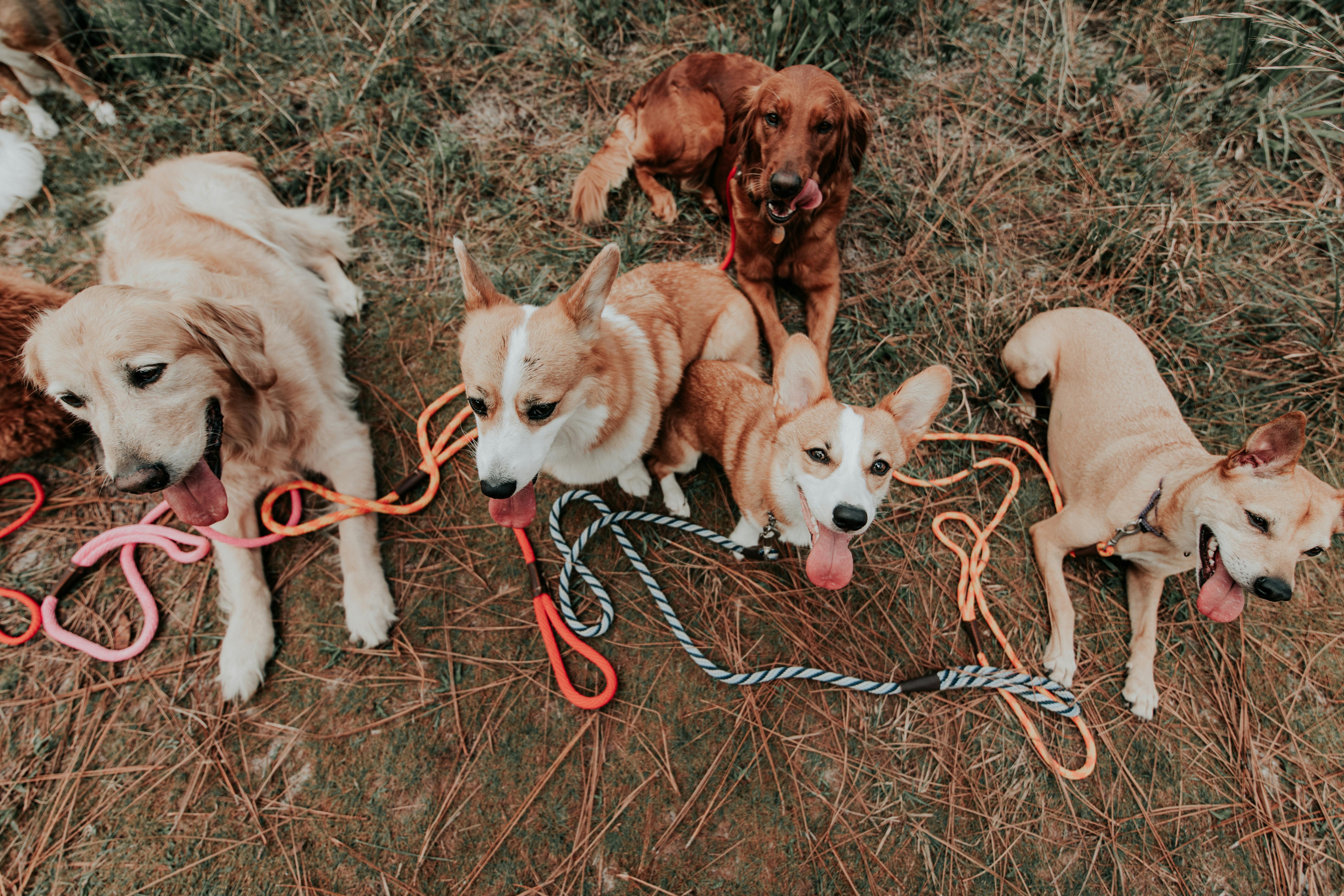
As a dog owner, you're probably no stranger to the sound of your furry friend barking away while playing. But have you ever stopped to think about why your dog barks when playing? Is it just a natural part of canine behavior, or is there something more to it? In this article, we'll delve into the world of dog behavior and explore the reasons behind your dog's playful barking.
Understanding Canine Communication
To understand why dogs bark when playing, we need to take a step back and look at canine communication as a whole. Dogs use a variety of vocalizations, including barks, whines, and growls, to convey emotions and needs. Barking, in particular, is a key form of communication that serves multiple purposes. It can be a warning, a call to action, or even a way to express excitement or anxiety. When it comes to play, barking can be a way for your dog to initiate or maintain interaction with you or other dogs.
 Does My Dog Bark When Playing Understanding Canine Communication" loading="lazy" style="max-width:700px;width:100%;height:auto;border-radius:8px;">
The Role of Play in Canine Development
Play is a crucial part of canine development, and it's essential for dogs to engage in play to develop social skills, exercise, and have fun. During play, dogs learn important skills like boundaries, empathy, and self-control. They also get to practice their natural instincts, such as chasing and hunting. Barking during play can be a way for your dog to express their excitement and enthusiasm for the activity. It's not uncommon for dogs to bark when they're playing fetch, tug-of-war, or even just running around in the backyard.
But barking during play can also be a way for your dog to communicate with you. They may be trying to initiate play, ask you to join in, or even ask for a break. By paying attention to the context and tone of your dog's bark, you can better understand what they're trying to communicate. For example, a high-pitched, repetitive bark may indicate excitement and enthusiasm, while a low, rumbling bark may signal frustration or overexertion.
Types of Playful Barking
There are several types of playful barking that you may encounter with your dog. One common type is the "invitational bark," where your dog barks to invite you to play. This type of bark is often accompanied by other playful behaviors, such as jumping up and down or running around in circles. Another type is the "excitement bark," where your dog barks due to overexcitement or arousal during play. This type of bark can be loud and intense, and may be accompanied by other behaviors like spinning or growling.
 Why Does My Dog Bark When Playing Why Does My Dog Bark When Playing with Other Dogs" loading="lazy" style="max-width:700px;width:100%;height:auto;border-radius:8px;">
Then there's the "frustration bark," where your dog barks due to frustration or disappointment during play. This type of bark can be a sign that your dog is feeling overwhelmed or unable to access a toy or resource. Finally, there's the "alerting bark," where your dog barks to alert you to something, such as a squirrel or another dog. This type of bark can be a warning or a call to action, and may be accompanied by other behaviors like staring or running towards the stimulus.
Why Does My Dog Bark When Playing with Other Dogs?
When dogs play with each other, barking can be a common occurrence. But why does your dog bark when playing with other dogs? One reason is that barking can be a way for dogs to communicate with each other during play. They may be trying to initiate play, maintain interaction, or even resolve conflicts. Barking can also be a way for dogs to express their emotions and needs during play, such as excitement, frustration, or fear.

Another reason why dogs bark when playing with other dogs is that it's a natural behavior that's been ingrained in them through evolution. In the wild, dogs use barking to communicate with each other during hunting and social interactions. When domesticated dogs play with each other, they may be drawing on these natural instincts to communicate and interact. However, it's essential to remember that not all barking during play is acceptable, and some barking can be a sign of underlying issues like fear or aggression.
How to Manage Playful Barking
While playful barking can be a natural and normal part of canine behavior, it's essential to manage it to prevent overexuberance or disruption. One way to manage playful barking is to provide adequate exercise and mental stimulation for your dog. Dogs that are bored or underexercised may be more prone to excessive barking during play. You can also try to redirect your dog's barking by engaging them in a different activity or providing a treat or toy to focus on.
Another way to manage playful barking is to set clear boundaries and rules during play. If your dog is barking excessively or inappropriately, it's essential to intervene and calm them down. You can do this by using a calm, gentle tone of voice and rewarding your dog for quiet behavior. Consistency is key when managing playful barking, so make sure to establish clear rules and boundaries from the outset.

Conclusion
In conclusion, barking during play is a common and natural behavior in dogs. By understanding the reasons behind your dog's playful barking, you can better manage it and ensure a fun and safe play experience for both you and your dog. Whether your dog is barking to initiate play, express excitement, or communicate with you, it's essential to pay attention to the context and tone of their bark. With patience, consistency, and positive reinforcement, you can help your dog develop good barking habits and enjoy a fun and fulfilling play experience together.